
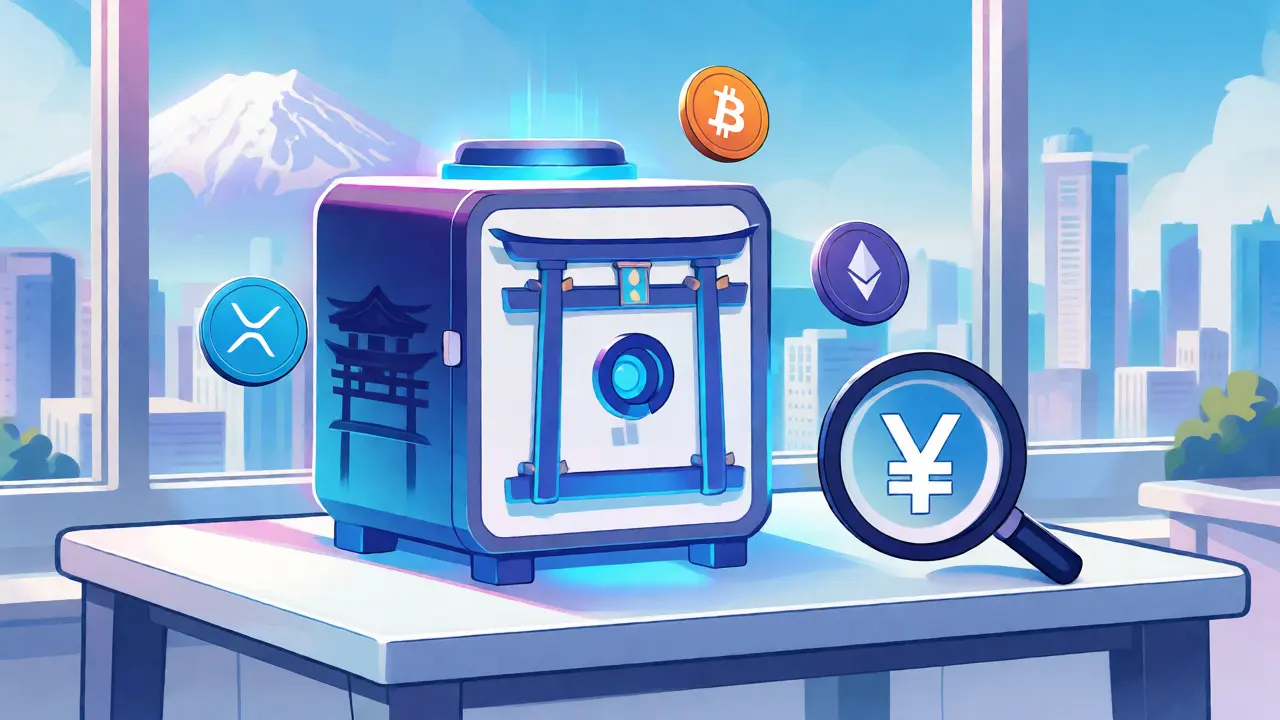
If you’ve ever tried to buy Bitcoin in Tokyo, you know the landscape is different. It’s not just about picking a platform with the most coins; it’s about navigating strict regulations and finding an exchange that actually works for local residents. Enter Bitbank, a Japanese cryptocurrency exchange founded in 2015 and headquartered in Japan, operating as a regulated entity under official licensing from Japan's Financial Services Agency (FSA). For years, it has claimed the top spot for trading volume in the domestic market. But does that reputation hold up if you’re looking at it from abroad, or even if you live there? Let’s break down what makes this platform tick, where it falls short, and who should actually use it.
What Exactly Is Bitbank?
Think of Bitbank as the specialized tool in your toolbox rather than the Swiss Army knife. It isn’t trying to be everything to everyone globally. Instead, it focuses intensely on the Japanese market. The platform supports trading between major cryptocurrencies and the Japanese Yen (JPY). Unlike global giants like Binance or Coinbase, which cater to international users with dozens of fiat currencies, Bitbank sticks to JPY for its retail services. This focus allows it to integrate deeply with local banking systems, offering fast deposits and withdrawals that feel almost traditional compared to the sluggish wire transfers often seen elsewhere.
The exchange operates strictly as a spot trading platform. There is no leverage here. You can’t borrow money to trade futures or margin products. If you want to buy Bitcoin, you need the full amount in your account. This might sound restrictive to day traders used to 10x or 20x leverage, but it appeals to those who prefer lower risk and simpler mechanics. The asset selection includes around 30 to 35 cryptocurrencies. You’ll find the big names like Bitcoin (BTC), Ethereum (ETH), and Ripple (XRP), alongside altcoins such as Aave (AAVE), Algorand (ALGO), and Chainlink (LINK). While the list isn’t massive, it covers the essentials and some emerging projects without cluttering the interface with thousands of low-cap tokens.
Fees and Costs: The Hidden Truth
Money talk is usually where reviews get boring, but Bitbank’s fee structure is actually quite interesting. The headline feature? Zero deposit fees and zero trading fees for many standard transactions. Wait, really? Yes. For most users, buying and selling doesn’t incur a commission percentage on the trade itself in the same way other exchanges charge. However, don’t let your guard down completely. Withdrawal fees apply, typically around 0.0001 BTC for Bitcoin or 0.001 LTC for Litecoin. These are standard network fees plus a small service charge, so they aren’t exactly "free," but they are competitive.
Some sources mention spot trading commissions ranging from 0.12% to 0.15%, particularly for certain order types or maker/taker models. It’s crucial to check the current terms because these structures can shift. What stands out is the absence of hidden costs that plague other platforms. No surprise charges for using advanced charting tools or accessing real-time data. The minimum deposit requirement is incredibly low-just $1 equivalent-making it accessible for anyone wanting to test the waters. This transparency is a huge win for cost-conscious investors who hate seeing their returns eaten by opaque fee schedules.
Who Can Actually Use It? The Geographic Barrier
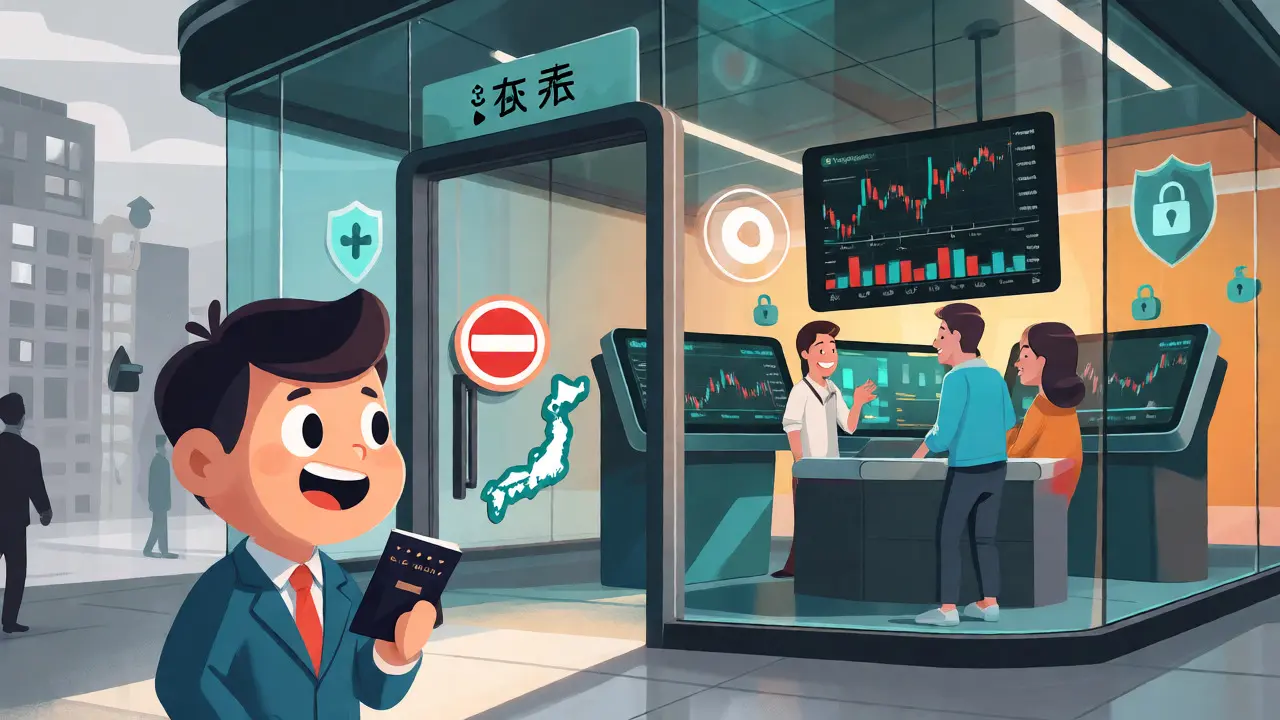
Here is the biggest catch: Bitbank is primarily for Japanese residents. If you are living in Hobart, Sydney, or London, you likely cannot open a retail trading account. The regulatory framework in Japan requires strict Know Your Customer (KYC) verification tied to local residency. This means you need a valid Japanese address and bank account. For expats living in Japan, this is fine. For tourists or remote workers without permanent residency, it’s a dealbreaker.
However, there is a loophole for businesses. Institutional clients and corporate entities registered outside Japan can access API services and institutional trading features. So, if you run a company that needs to move large volumes of crypto into Japan, Bitbank serves that niche well. But for the average individual trader looking to diversify their portfolio from Australia or Europe, this geographic restriction effectively removes Bitbank from consideration unless you have a specific reason to interact with the Japanese market directly.
Trading Tools and User Experience
If you do qualify, the user experience is surprisingly smooth. The mobile app consistently ranks number one on Japan’s App Store, and for good reason. It’s stable, fast, and intuitive. The desktop interface integrates TradingView charts, giving you over 50 technical indicators and more than 60 analysis tools. This is professional-grade software built right into the browser. You don’t need to export data to another program to analyze trends; it’s all there in real-time.
Security is another pillar of their design. Bitbank uses a mix of hot and cold wallets. Most funds sit in cold storage, offline and safe from online hacks. When you trade, assets move to hot wallets, protected by firewalls, intrusion detection systems, and two-factor authentication (2FA). They also employ multisig security, meaning multiple approvals are needed to authorize large transactions. Given Japan’s history with high-profile exchange hacks in the past, this cautious approach reassures users that their assets are treated with serious care.
| Feature | Bitbank | Global Exchanges (e.g., Binance/Coinbase) |
|---|---|---|
| Regulation | FSA Licensed (Japan) | Varies by jurisdiction |
| Supported Fiat | JPY only (Retail) | USD, EUR, GBP, AUD, etc. |
| Leverage/Margin | No (Spot only) | Yes (Up to 100x on some) |
| Asset Count | ~30-35 Coins | 100-300+ Coins |
| Deposit Fees | Free | Varies (often free via bank transfer) |
| Accessibility | Japanese Residents Only | Global |
Extra Perks: Lending and Rewards
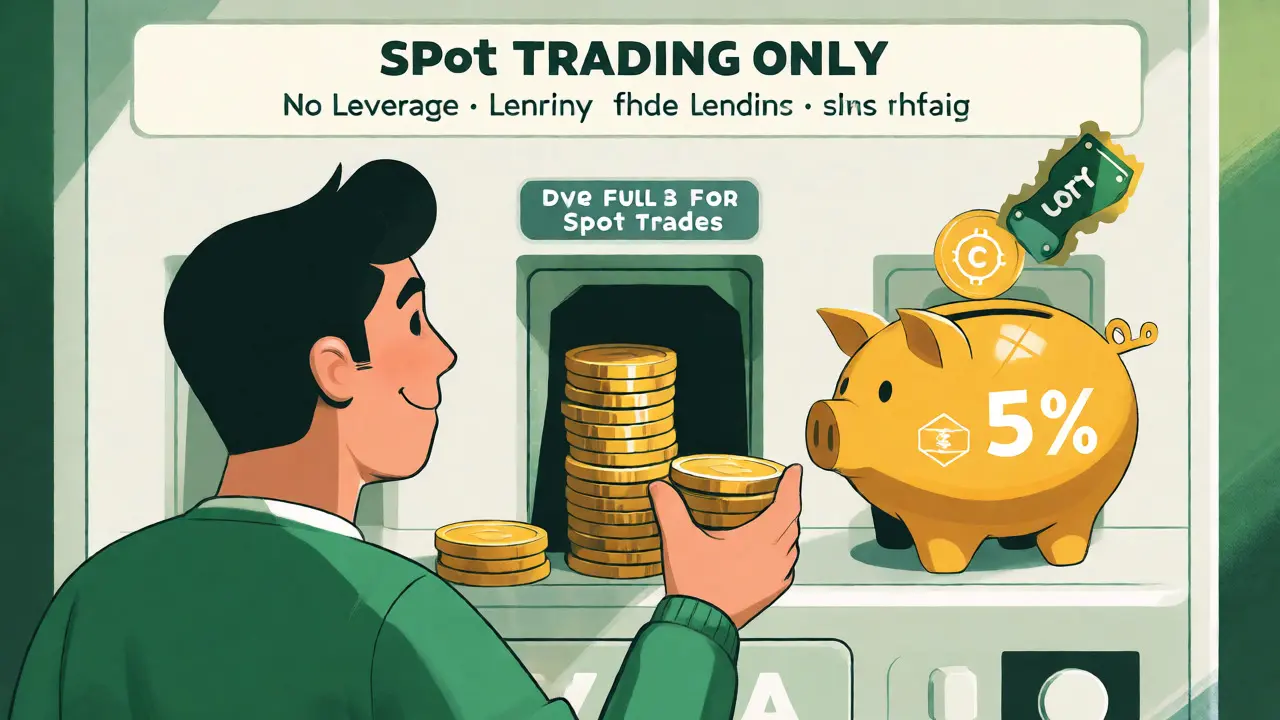
It’s not just about trading. Bitbank offers a crypto lending service where you can earn interest on your holdings. Supported assets include BTC, XLM, ETH, and DOGE. The annual return can go up to 5%, which is decent compared to traditional savings accounts. There’s no minimum amount required to start lending, making it easy to park idle coins and let them work for you. Plus, they run a daily lottery system for active users, adding a bit of gamification to the routine. While the prizes vary, it keeps engagement high among local traders.
The Verdict: Should You Sign Up?
So, where does this leave us? If you live in Japan, Bitbank is arguably one of the best choices available. Its regulatory backing, security standards, and seamless integration with local banks make it a reliable partner for managing digital assets. The lack of leverage might frustrate aggressive traders, but for long-term holders and spot traders, it’s a clean, efficient platform.
For everyone else, especially those in Australia or the US, Bitbank is mostly irrelevant due to the residency requirement. You won’t be able to open a personal account. However, understanding its model highlights how regulation shapes crypto markets. While we debate whether stricter rules stifle innovation, Japan’s approach has created a stable, trustworthy environment for its citizens. If you’re planning to move to Tokyo or start a business there, keep Bitbank on your radar. Otherwise, look for exchanges that support your local currency and offer the leverage or asset variety you need.
Can I use Bitbank if I am not a resident of Japan?
Generally, no. Retail services on Bitbank are restricted to Japanese residents who can provide proof of address and identity compliant with local laws. However, institutional clients and corporations registered outside Japan may access API services and institutional trading features.
Does Bitbank offer leverage or margin trading?
No, Bitbank operates exclusively as a spot trading exchange. Users must have the full amount of funds available to execute trades, meaning there is no option for borrowing funds to increase position size through leverage.
What are the withdrawal fees on Bitbank?
Withdrawal fees vary by cryptocurrency. For example, withdrawing Bitcoin typically costs around 0.0001 BTC, while Litecoin withdrawals cost approximately 0.001 LTC. These fees cover network transaction costs and a small service charge.
Is Bitbank safe and regulated?
Yes, Bitbank is fully licensed and regulated by Japan’s Financial Services Agency (FSA). It employs robust security measures including cold wallet storage, multisig technology, two-factor authentication, and regular security audits to protect user assets.
Which cryptocurrencies can I trade on Bitbank?
Bitbank supports approximately 30 to 35 cryptocurrencies, including major assets like Bitcoin (BTC), Ethereum (ETH), Ripple (XRP), and Litecoin (LTC), as well as various altcoins such as Aave (AAVE), Chainlink (LINK), and Algorand (ALGO).