
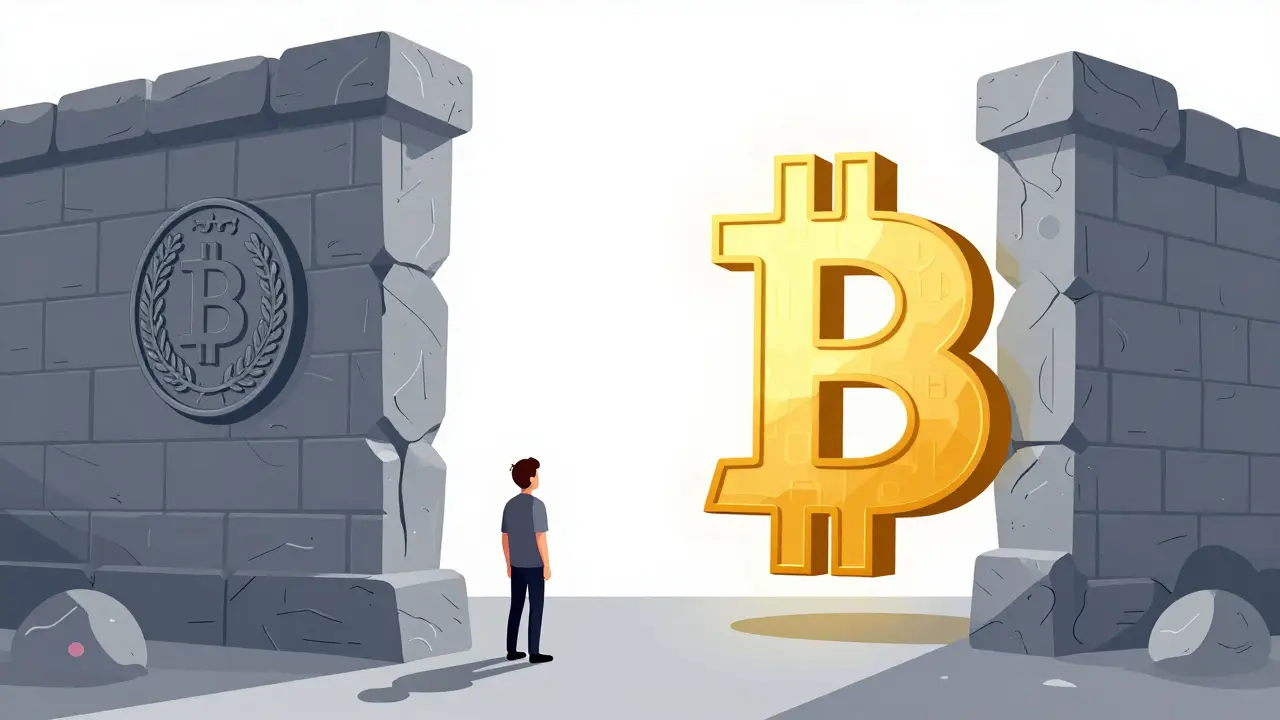
If you're looking for a way to legally sign up for a crypto exchange in Algeria, there is a hard truth you need to know: you can't. As of July 2025, Algeria has implemented one of the most aggressive crackdowns on digital assets in the world. While some countries struggle with how to tax or regulate Bitcoin, Algeria decided to simply erase it from the legal map. This isn't just a set of "guidelines" or a request for caution; it is a total criminalization of the entire ecosystem.
The Legal Wall: Understanding Law No. 25-10
The game changed completely with the introduction of Law No. 25-10 is a comprehensive Algerian legislation that prohibits all cryptocurrency-related activities, including the use, creation, exchange, storage, mining, and promotion of digital assets. This law treats Cryptocurrencies not as an investment vehicle, but as "virtual instruments" that operate without the support of a central bank. Because they lack this central oversight, the Algerian government views them as a threat to national financial stability.
Under this framework, the ban is absolute. It doesn't matter if you are using a global giant like Binance or a small decentralized platform. The law explicitly forbids the purchase, sale, and even the simple holding of digital currencies. In short, if it lives on a blockchain, it's illegal to own or trade in Algeria.
What Exactly Is Forbidden?
Many people assume that as long as they aren't "mining" Bitcoin in their basement, they are safe. That is a dangerous misconception. Law No. 25-10 casts a wide net. It isn't just about trading; it's about any interaction with the crypto world. Here is what is now strictly prohibited:
- Trading and Holding: Buying or selling coins and simply keeping them in a wallet.
- Infrastructure: Operating an exchange or providing digital wallet services.
- Mining: Using hardware to secure networks and earn new coins.
- Promotion: This is the sneakiest part. Even advertising crypto services or providing educational content and investment strategies can lead to criminal charges.
This means that even the professional sector-developers, analysts, and DeFi specialists-has been effectively wiped out. We are seeing a massive "blockchain talent exodus" as experts flee the country to avoid prison time.
The Cost of Breaking the Rules
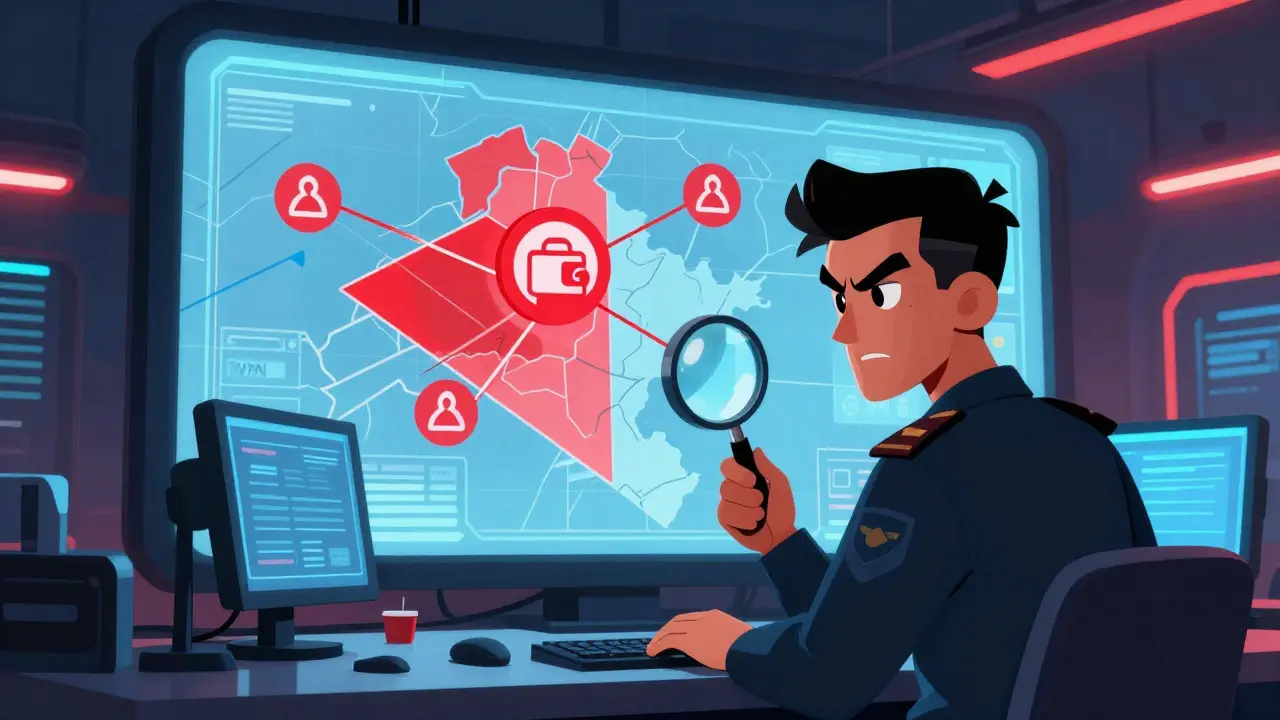
Algeria isn't just asking people to stop; they are enforcing it with heavy hammers. The penalties are designed to be a deterrent, and they are multifaceted, combining both jail time and crushing fines. If you are caught accessing a cryptocurrency exchange or trading P2P, you aren't looking at a slap on the wrist.
| Violation Type | Imprisonment Period | Financial Fine (Algerian Dinars) | Approx. USD Value |
|---|---|---|---|
| Standard Violation | 2 months to 1 year | 200,000 to 1,000,000 DZD | $1,540 to $7,700 |
| Serious Violations | Up to 1 year+ | Up to 2,000,000 DZD | Up to $14,700 |
| Repeat Offenses | Extended | Double the initial fine | Varies |
If these operations are linked to what the government defines as organized crime, the punishments become even more severe. The government has significantly ramped up its digital monitoring capabilities, meaning the chance of being caught is much higher than it was during the "shadow market" era of 2018 to 2024.
The "Shadow Market" vs. Current Reality
It is important to remember that Algeria didn't start this strictly. Back in 2018, there were restrictions, but they were vague. They lacked a clear enforcement mechanism, which allowed a massive underground market to grow. In fact, just a year before the 2025 ban, reports from Chainalysis showed that Algeria was one of the top five fastest-growing crypto markets in the MENA region.
People were using Peer-to-Peer (P2P) networks and exploring Decentralized Finance to bypass traditional banking hurdles. The government watched this growth and responded with Law No. 25-10 to regain absolute control. They aren't just fighting volatility; they are following guidelines from the Financial Action Task Force (FATF) to prevent money laundering and terrorism financing.
Can You Bypass the Restrictions?
You'll find plenty of corners of the internet suggesting "workarounds." Some might tell you to use a VPN (Virtual Private Network) to hide your IP address, or to use encrypted messaging apps like Telegram for P2P trades. Others might suggest using Decentralized Exchanges (DEXs) because they don't require KYC (Know Your Customer) documents.
While these methods theoretically work from a technical standpoint, they are legally suicidal in Algeria. The government's enhanced digital monitoring is specifically designed to spot these patterns. Using a VPN does not make you invisible to state-level surveillance, and the paper trail of moving money from a local bank account to a P2P seller is a massive red flag. The risk-up to a year in prison-far outweighs the potential profit of a trade.
Algeria's Place in the Global Trend
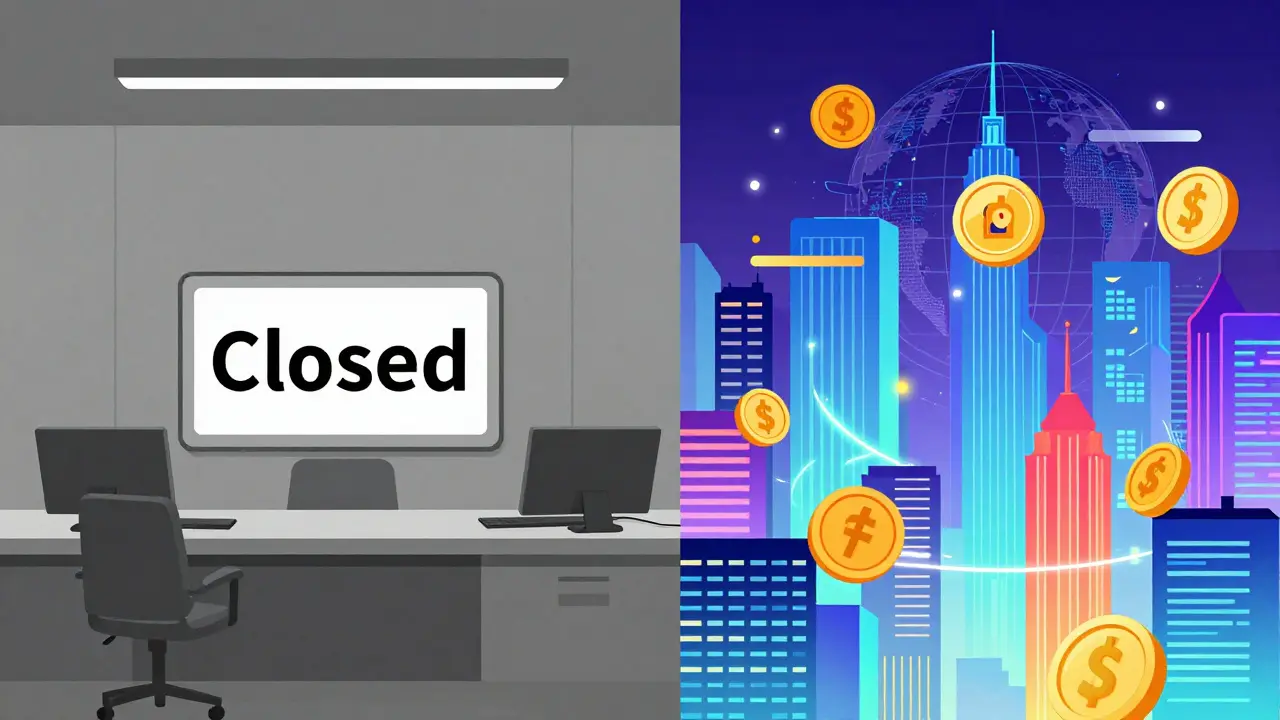
Algeria's stance is a stark contrast to the rest of the world. While the US is debating ETF approvals and the EU has implemented the MiCA (Markets in Crypto-Assets) regulation to create a safe harbor for innovation, Algeria has joined the ranks of countries like China in opting for a total ban.
By choosing prohibition over regulation, Algeria risks isolating its financial sector from the global fintech evolution. The world is moving toward tokenization and digital IDs, and by criminalizing the very tools used to build these systems, the country may find itself lagging behind in the digital economy for years to come.
Is it illegal to simply own Bitcoin in Algeria?
Yes. Under Law No. 25-10, the holding of virtual currencies is strictly prohibited. This means that simply having coins in a private wallet is a criminal offense, regardless of whether you are actively trading them.
Can I use a VPN to access Binance or Coinbase?
While a VPN might allow you to load the website, doing so is a violation of federal law. Algerian law enforcement has increased digital monitoring to detect such activities, and the penalties include imprisonment and heavy fines.
What happens if I am caught trading crypto?
Depending on the severity, you could face between two months and one year of imprisonment. Additionally, you may be fined between 200,000 and 2,000,000 Algerian dinars. Repeat offenders may see these penalties doubled.
Is blockchain technology also banned?
The law specifically targets "virtual instruments used as means of exchange." However, because the law also criminalizes the promotion and educational discussion of cryptocurrencies, working on blockchain projects within the country has become extremely risky and is largely avoided.
Why did Algeria ban cryptocurrency?
The government cites national security, financial stability, and the prevention of money laundering and terrorism financing. They aim to maintain total control over the national financial system and protect citizens from asset volatility.