
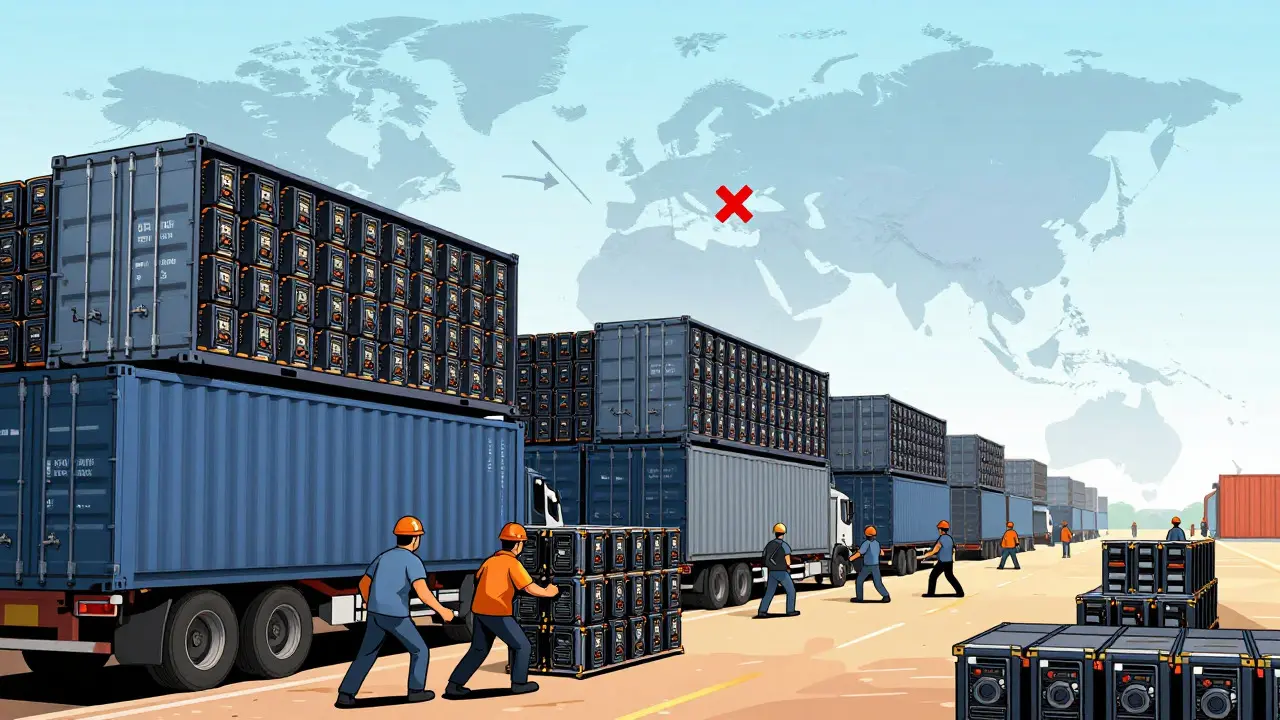
In September 2020, China controlled 75.5 percent of the global network that secures the Bitcoin blockchain through computational power. By April 2021, that number had plummeted to 46 percent. This wasn't a gradual decline; it was a sudden, massive exodus triggered by strict regulatory restrictions. If you've been following the crypto space, you know this event reshaped the entire industry map overnight. So, where did all those machines go? And why did they pick those specific spots?
The answer lies in two main factors: cheap electricity and regulatory freedom. When Beijing cracked down, miners didn't just shut down. They packed up their ASIC miners, which are specialized computers designed solely for solving complex mathematical puzzles, and moved them across borders. This period, often called the 'Great Mining Migration,' saw the largest cross-border shift of industrial cryptocurrency infrastructure in history.
The Catalyst: Why China Cracked Down
To understand the move, you have to look at what happened in China. It wasn't just a tax hike or a small fee change. The Chinese government implemented comprehensive restrictions targeting mining operations specifically. Previous actions might have focused on traders or exchanges, but this time, the top-ranking government committees announced bans that carried significant weight. Provincial areas like Inner Mongolia banned mining early on, citing energy-intensive concerns, but the central government's final call made staying impossible for most large-scale operators.
The speed of this exit revealed something interesting about the nature of Bitcoin mining. Unlike building a factory or setting up a retail store, mining requires only two things: internet connectivity and electrical power. This modularity meant that entire farms could be disconnected, transported in containers, and reconnected in new locations within months. It’s a level of mobility that traditional industries rarely possess.
Kazakhstan: The Primary Destination
If you want to know where the bulk of the Chinese hardware ended up initially, look north to Central Asia. Kazakhstan emerged as the primary beneficiary of this exodus. Its share of worldwide mining power surged almost six-fold, jumping from 1.4 percent in 2019 to 8.2 percent by April 2021. By mid-October 2021, reports indicated that Kazakhstan had become the second-largest cryptocurrency mining country globally, effectively surpassing China in total capacity.
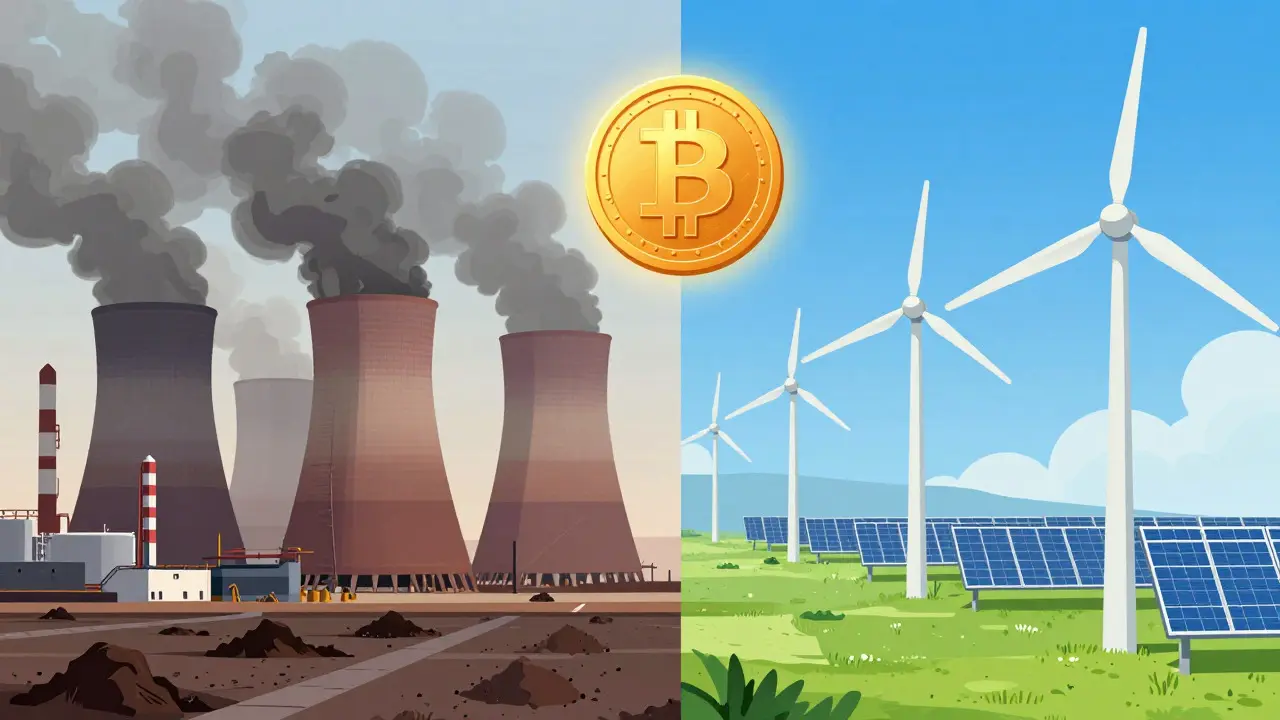
Why Kazakhstan? The answer is simple: coal. The country possesses abundant coal mines and robust energy supply infrastructure. For miners, this translated into massive electrical capacity at competitive rates. While this raised some environmental questions regarding carbon intensity, for the operators, the math worked out. They needed reliable, cheap power, and Kazakhstan delivered it in spades. This rapid growth catapulted the nation ahead of Russia and Iran in global rankings, making it a hub for displaced operations.
Texas and the US: The Western Hub
While Kazakhstan took the initial wave, the United States, particularly Texas, became the second major destination. Texas attracted miners for different reasons than Kazakhstan. Instead of relying primarily on coal, Texas offered a deregulated energy market and a pro-mining legislative stance. The state’s grid includes a significant portion of renewable sources, with wind and solar accounting for roughly 22.5 percent of its energy mix.
This diversity was attractive. Miners could access cost-effective power while also tapping into greener sources. Furthermore, Texas accounts for roughly half of the 5.2 gigawatts of Bitcoin mining capacity being installed across the entire United States. This concentration shows how specific jurisdictions can become dominant hubs when they combine favorable regulations with strong infrastructure. For many American-based companies and international firms, moving to Texas provided stability and long-term security compared to the volatility seen elsewhere.
Other Notable Destinations
The migration wasn't limited to just two countries. Several other regions picked up pieces of the puzzle:
- Russia: Holding around 6.8 percent of global mining power, Russia benefited from low energy costs and a less restrictive regulatory environment during the transition period.
- Pakistan: Identified by research firms like Galaxy Digital as a key recipient due to available power capacity and lower operational costs.
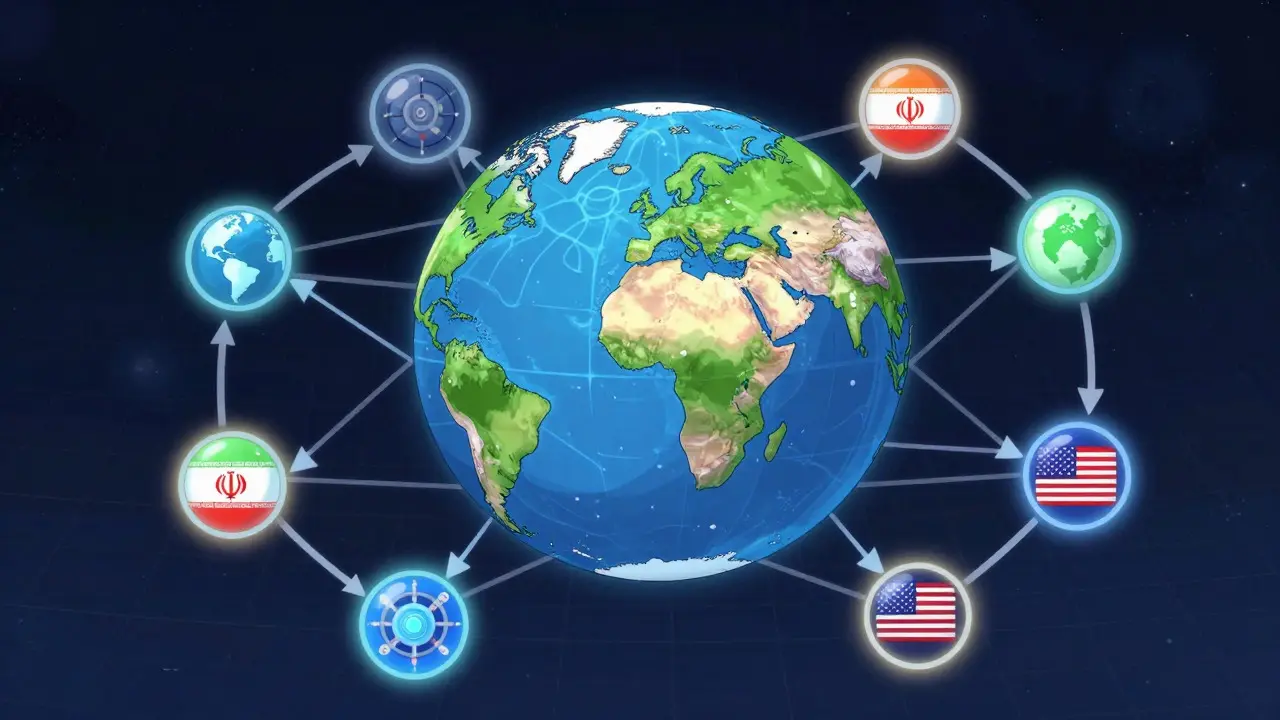
- Iran: With approximately 4.6 percent of the hash rate, Iran remained a significant player, leveraging its own energy resources to attract miners looking for alternatives to Asia and North America.
These destinations were chosen based on a combination of energy costs, regulatory stability, and existing electrical infrastructure. The goal for every miner was the same: find a place where the lights stay on and the rules don't change unexpectedly.
The Impact on Global Hashrate
You might wonder if all this moving broke the network. Initially, yes. The physical movement of equipment caused temporary reductions in global hashrate. Machines sat in shipping containers or warehouses while logistics sorted themselves out. However, the long-term effect was positive for the Bitcoin ecosystem. Before the exodus, having over 75 percent of mining in one country created a significant concentration risk. A single political decision could threaten the network's security.
By spreading out to Kazakhstan, Texas, Russia, and elsewhere, the network became more decentralized. This geographic distribution enhances resilience. If one region faces a blackout or a new ban, the rest of the world can pick up the slack. The successful completion of this migration proved that large-scale infrastructure relocation is feasible, setting a precedent for future shifts driven by regulation or economics.
| Location | Primary Energy Source | Key Advantage | Global Share (Approx. 2021) |
|---|---|---|---|
| Kazakhstan | Coal | Abundant capacity, low cost | 8.2% - Second Largest |
| United States (Texas) | Mixed (Wind/Solar/Coal) | Deregulated market, renewable access | ~30% (US Total) |
| Russia | Natural Gas/Hydro | Low energy costs | 6.8% |
| Iran | Natural Gas | Stable local infrastructure | 4.6% |
Economic Ripple Effects
This migration didn't just affect crypto charts. It impacted local economies. In Kazakhstan, demand for industrial electricity spiked, forcing upgrades to the grid. In Texas, the influx of mining operations led to new investments in energy capacity. Local companies benefited from increased output demands, contributing to grid reliability improvements. Some argue this helped address infrastructure challenges, such as the power outages Texas experienced in early 2021, because mining facilities can reduce power consumption during peak demand periods, acting as a flexible load on the grid.
For the miners themselves, the move was a strategic necessity. They evaluated destinations based on optimal combinations of energy costs, regulatory stability, and infrastructure capacity. The flexibility of Bitcoin mining allowed them to treat geography as a variable they could adjust, rather than a fixed constraint. This adaptability is now a core part of the industry's DNA.
Frequently Asked Questions
Where did most Chinese Bitcoin miners go after the ban?
The majority relocated to Kazakhstan and the United States, specifically Texas. Kazakhstan became the second-largest mining country globally, while Texas emerged as the leading hub in North America due to favorable energy markets and regulations.
Why did Kazakhstan become a top mining destination?
Kazakhstan offered abundant coal-based energy at low costs and had sufficient electrical infrastructure to handle the massive scale of incoming mining operations. Its regulatory environment was also more permissive than China's at the time.
Did the mining exodus weaken the Bitcoin network?
Initially, there was a temporary drop in hashrate due to logistics. However, in the long term, the network became stronger because mining power was distributed across multiple countries, reducing the risk associated with having over 75 percent of capacity in a single jurisdiction.
What role does Texas play in Bitcoin mining today?
Texas is a critical hub, hosting roughly half of the United States' total Bitcoin mining capacity. Its deregulated energy market and access to renewable sources like wind and solar make it an attractive location for large-scale operations seeking stability and efficiency.
How fast can Bitcoin miners relocate?
Relocation is surprisingly fast. Because ASIC miners are modular and only require power and internet, entire farms can be disconnected, shipped, and reconnected within a few months. This mobility allows miners to respond quickly to regulatory changes or better energy deals.