

Imagine logging into your new favorite crypto platform, depositing thousands of dollars, and watching the balance disappear. This isn't a movie plot; it’s the reality for many users who confuse legitimate software with imposter domains. You are looking at Coinhub.io, and right now, you need to pause. The domain you typed in carries massive red flags that could cost you everything.
The confusion starts with the name. There is a well-known, legitimate portfolio tracker called CoinHub is a professional-grade, real-time quoting and portfolio management system that operates locally on user devices. Its official website is coinhub.org. However, the domain you asked about-coinhub.io-is not the same entity. In the world of cryptocurrency, this tiny difference in URL extension often separates safety from disaster.
The Domain Discrepancy: A Major Red Flag
Let’s look at the facts. Legitimate documentation from tech databases like Slashdot identifies the authentic CoinHub application as an offline tool. It tracks your assets without sending data to servers. It does not facilitate trading. It does not hold your funds. Yet, when you search for "Coinhub.io exchange," you find sites claiming it offers margin trading, futures, and over 100 cryptocurrencies.
This contradiction is suspicious. If CoinHub is an offline portfolio manager, how can coinhub.io be processing trades? Scammers frequently register domains similar to trusted brands to trick users. They use the authority of the original brand to lend credibility to their fraudulent operation. The fact that coinhub.io lacks verification in any authoritative source is a critical warning sign.
| Feature | CoinHub (Official) | Coinhub.io (Unverified) |
|---|---|---|
| Domain | coinhub.org | coinhub.io |
| Primary Function | Offline Portfolio Tracker | Claims to be an Exchange |
| Data Storage | Local Device Only | Server-Based (Implied) |
| Trading Capability | No | Yes (Claimed) |
| Regulatory Status | Software Product | Unknown / Unlicensed |
Fake Fees and Misleading Metrics
If you dig deeper into reviews for coinhub.io, you might see specific numbers. Some sites claim taker fees are 0.25% and maker fees are 0.20%. They mention BTC withdrawal fees of 0.0007 BTC. These details sound professional, but they are likely fabricated to build trust. Why? Because these metrics contradict the core nature of the legitimate CoinHub app, which doesn’t trade.
Legitimate exchanges publish transparent fee structures on their own websites, verified by third-party auditors. For coinhub.io, there is no proof of an order matching engine, liquidity sources, or custody solutions. Without these technical foundations, an exchange cannot function. The presence of detailed fee tables on third-party review sites, but not on a verifiable official homepage, suggests these numbers are copied from other platforms to appear credible.
User ratings add another layer of doubt. Cryptogeek lists a rating of 3 out of 5 based on only one review. One review is statistically meaningless. It indicates either extreme obscurity or manipulated data. Real exchanges have thousands of reviews across platforms like Trustpilot, Reddit, and Twitter. The silence around coinhub.io on major social platforms is deafening.
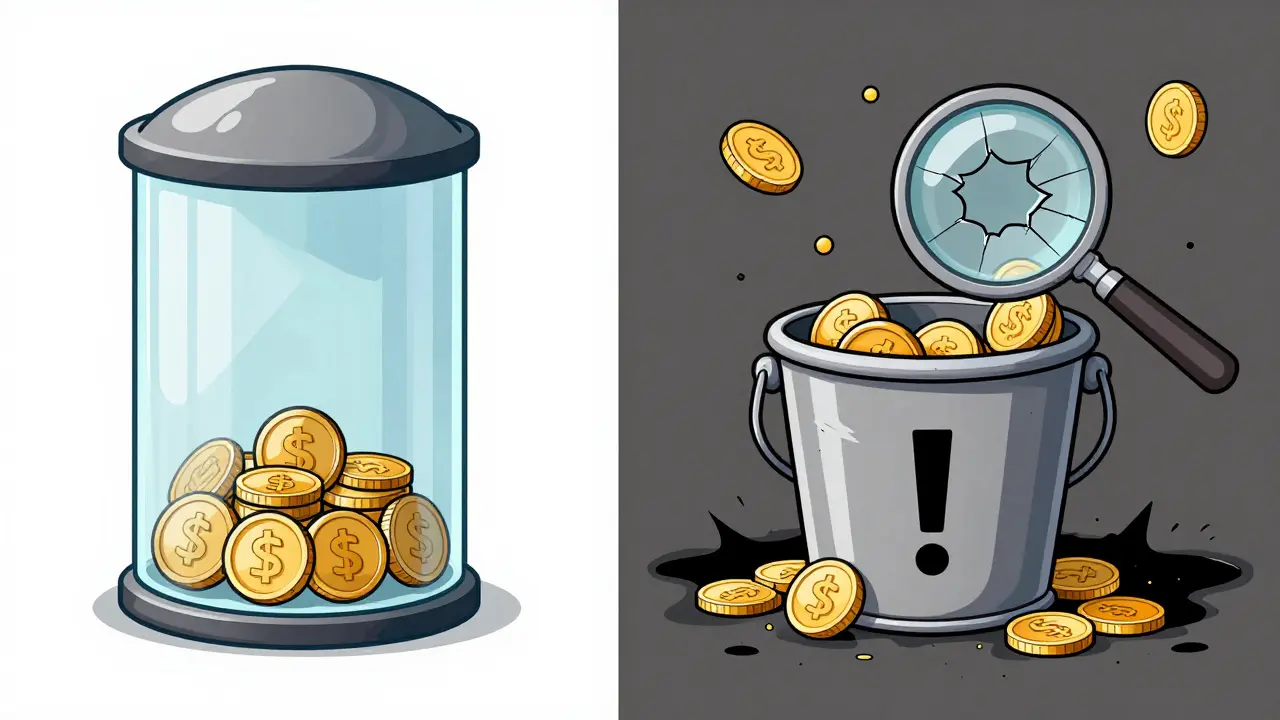
Security Gaps and Missing Audits
Security is non-negotiable in crypto. In 2026, every reputable exchange undergoes regular security audits by firms like CertiK or OpenZeppelin. These reports are public. For coinhub.io, there is zero evidence of such audits. No whitepapers, no smart contract verifications, no bug bounty programs.
The legitimate CoinHub app boasts high security because it keeps data on your device. It eliminates server transmission risks entirely. But if coinhub.io is an exchange, it must store your private keys or connect to your wallets. How does it protect them? Where is the cold storage policy? Who holds the liability insurance? None of this information exists. Operating without disclosed security measures is a recipe for catastrophic loss.
Furthermore, regulatory status is completely undocumented. Legitimate exchanges display licenses from financial authorities in the US, EU, or other major jurisdictions prominently. coinhub.io has no mention of KYC/AML compliance procedures. Without these legal frameworks, there is no recourse if you lose your funds. You are essentially handing money to a black box.

How to Spot Similar Crypto Scams
You don’t have to be an expert to avoid traps like this. Here are practical steps to verify any platform before you deposit a single cent:
- Check the Domain Extension: Verify the exact URL against official announcements. Imposters often use .io, .co, or .net variations of popular .com or .org sites.
- Search for Regulatory Licenses: Look for registration numbers with bodies like the SEC, FCA, or ASIC. If they aren’t listed in the footer, assume they don’t exist.
- Verify Security Audits: Demand links to recent audit reports from recognized firms. Generic statements about "bank-grade security" are marketing fluff.
- Look for Community Sentiment: Search Reddit and Twitter for unfiltered user experiences. Be wary of platforms with no online presence or only paid-sounding positive reviews.
- Test Customer Support: Try contacting support with a question. Legitimate services respond clearly. Scammers often use bots or ignore messages until after you deposit.
Better Alternatives for Traders
If you are looking for a place to trade crypto, stick to established names with proven track records. Platforms like Coinbase, Kraken, and Binance offer transparency, regulatory compliance, and deep liquidity. They may have higher fees than the fake promises of coinhub.io, but they provide actual security.
For portfolio tracking, use the real CoinHub app from coinhub.org. It allows you to monitor your assets across multiple wallets without exposing your private keys. This separation of duties-using specialized tools for tracking versus regulated entities for trading-is the safest approach in crypto.
Is Coinhub.io a scam?
It is highly likely. The domain coinhub.io is not associated with the legitimate CoinHub portfolio tracker (coinhub.org). It lacks regulatory licenses, security audits, and verifiable user reviews. These are classic signs of a fraudulent platform designed to steal deposits.
What is the difference between CoinHub and Coinhub.io?
CoinHub (official site: coinhub.org) is an offline portfolio management tool that runs on your device. Coinhub.io claims to be a crypto exchange offering trading services. The two are unrelated, and the latter appears to be impersonating the former to gain trust.
Can I withdraw my money from Coinhub.io?
If you have deposited funds, you should attempt to withdraw immediately. However, be prepared for delays, hidden fees, or complete refusal. Scam platforms often freeze accounts once a significant amount is deposited. Contact local cybercrime authorities if funds are lost.
Why do some sites list fees for Coinhub.io?
These fees are likely fabricated to make the platform appear legitimate. Since CoinHub is actually a non-trading app, any exchange-specific fees attributed to its brand are misleading. Third-party review sites may aggregate incorrect data without verifying the source.
Is the CoinHub app safe to use?
Yes, the official CoinHub app from coinhub.org is considered safe because it operates locally on your device. It does not require you to send sensitive data to external servers, reducing the risk of data breaches. Always download it from official app stores or their verified website.