

Have you seen the hype around the CSHIP CryptoShips Campaign airdrop? Social media feeds are flooded with promises of free tokens, easy money, and the next big thing in cryptocurrency. But here is the hard truth that most promoters won't tell you: there is zero credible information about this project.
In the world of crypto, silence from legitimate sources is louder than any marketing claim. If you cannot find an official website, a verified whitepaper, or a reputable listing on CoinMarketCap or CoinGecko, you are not missing out on an opportunity-you are walking into a trap. This guide breaks down why the CSHIP campaign raises major red flags and how to protect your digital assets from falling victim to these deceptive schemes.
The Silence Speaks Volumes: Lack of Verifiable Data
When a legitimate project launches an airdrop, they don't hide. They announce it through official channels, list their smart contracts on block explorers like Etherscan, and provide clear terms of service. For the CSHIP CryptoShips campaign, none of this exists.
A quick search reveals no official documentation. There are no audits from trusted security firms like CertiK or OpenZeppelin. Without an audit, you have no way of knowing if the code behind the airdrop is safe. In many cases, these "airdrops" are actually honeypots designed to steal the funds already in your wallet.
- No Official Website: Legitimate projects have professional sites with team bios and roadmaps.
- No Token Listing: The CSHIP token does not appear on major tracking platforms.
- No Smart Contract Verification: You cannot verify the source code of the token contract.
If you were looking for specific details on eligibility or distribution mechanisms, the absence of this data is the answer itself. It means the project likely does not exist in any functional form.
How Fake Airdrops Work: The Mechanics of the Scam
You might wonder how a non-existent project can trick people. The mechanics are surprisingly simple but effective. Scammers rely on FOMO (Fear Of Missing Out) and the promise of high returns. Here is the typical lifecycle of a fake airdrop like CSHIP:
- Hype Generation: Bots and paid influencers post about the "exclusive" CSHIP airdrop on Twitter, Telegram, and Discord.
- The Landing Page: You are directed to a cloned website that looks professional but has subtle URL differences.
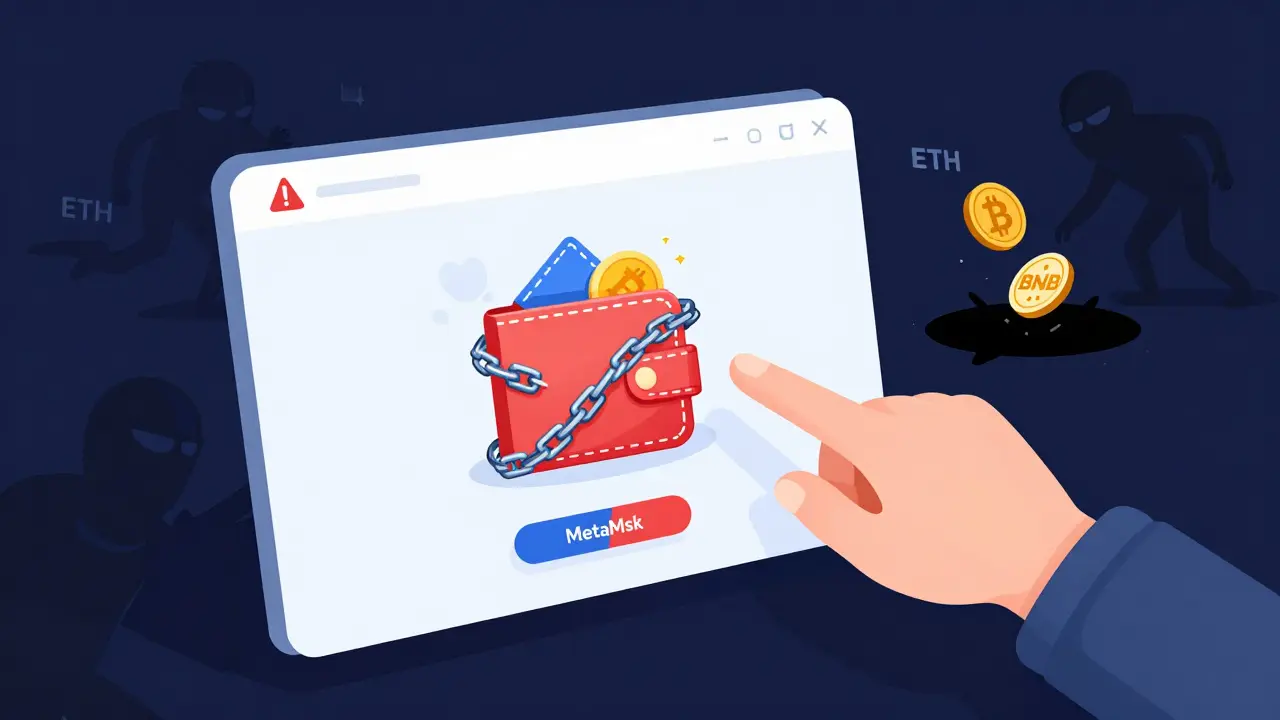
- Wallet Connection: To "claim" your tokens, you must connect your MetaMask or Trust Wallet.
- The Malicious Approval: The site asks you to approve a transaction. This isn't to send you tokens; it's to give the scammer unlimited access to withdraw your existing ETH or BNB.
Once you sign that transaction, the drain happens instantly. The "CSHIP" tokens you see in your wallet are worthless junk, but the real value you had is gone forever.
Red Flags to Watch For in Any Airdrop
While CSHIP appears to be a complete fabrication, similar scams pop up weekly. Learning to spot the warning signs is crucial for your financial safety. Do not ignore these critical indicators:
| Red Flag | What It Means | Action to Take |
|---|---|---|
| Pay Gas to Claim | Legitimate airdrops are free. Asking for ETH/BNB to "unlock" tokens is a fee theft. | Disconnect wallet immediately. |
| Unverified Contract | The smart contract source code is hidden or not audited. | Do not interact with the contract. |
| Social Media Only | No website, GitHub, or official documentation exists. | Report the account as spam/scam. |
| Too Good to Be True | Promises of $100+ value for minimal effort. | Ignore the offer entirely. |
Remember, if a project requires you to pay a fee to receive free tokens, it is not an airdrop-it is a donation to the scammer. Always check the contract address on Etherscan before interacting. If the contract is new and has no transaction history, stay away.
Protecting Your Wallet from Malicious Approvals
The biggest risk in interacting with unknown dApps (decentralized applications) is granting excessive permissions. When you connect your wallet to a site like the alleged CSHIP portal, you often sign an "Approve" transaction. This tells the blockchain that the specific contract can spend your tokens on your behalf.
To mitigate this risk, use tools like Revoke.cash or Etherscan's Token Approval feature regularly. These tools show you which contracts have access to your funds. If you accidentally connected to a suspicious site, revoke those permissions immediately. This doesn't recover stolen funds, but it prevents further drainage.
Additionally, consider using a burner wallet for airdrops. Keep your main holdings in a cold storage device like Ledger or Trezor. Use a separate software wallet with minimal funds for interacting with new or unverified protocols. This limits your exposure if something goes wrong.
Why Legitimate Projects Don't Operate in Shadows
Established projects like Uniswap, LayerZero, or Arbitrum operate with transparency. Their airdrops are well-documented, often retroactive based on usage, and widely discussed by credible analysts. They do not rely on shady Telegram groups or anonymous Twitter accounts to spread the word.
The lack of information about CSHIP is not an oversight; it is a feature of the scam. By keeping details vague, scammers avoid creating a paper trail that could be used to identify them or shut down their operations. They change names, domains, and social media handles frequently. One day it's "CryptoShips," the next it might be "SpaceCargo." The mechanism remains the same: steal your crypto.
What to Do If You Already Interacted
If you have already connected your wallet to a CSHIP-related site or signed a transaction, act fast. First, move any remaining funds from that wallet to a new, clean wallet address. Do not just send them to your main wallet if you suspect the private key or seed phrase was compromised.
Second, revoke all approvals granted to the malicious contract. Third, monitor your transaction history for any unauthorized outgoing transfers. While you cannot reverse blockchain transactions, reporting the incident to your local authorities and posting warnings on social media can help prevent others from making the same mistake.
Never share your seed phrase with anyone, including customer support claiming to be from CryptoShips. No legitimate company will ever ask for your recovery phrase. This is the master key to your entire portfolio, and keeping it offline is the only way to ensure its security.
Frequently Asked Questions
Is the CSHIP CryptoShips airdrop legitimate?
No, there is no credible evidence that the CSHIP CryptoShips airdrop is legitimate. The lack of official documentation, verified smart contracts, and presence on major crypto tracking platforms suggests it is a scam designed to steal user funds.
How can I verify if a crypto airdrop is real?
Check for an official website, verified social media accounts, and listings on CoinMarketCap or CoinGecko. Ensure the smart contract is verified on Etherscan and audited by reputable firms like CertiK. If you cannot find this information, assume it is a scam.
What should I do if I connected my wallet to a suspicious airdrop site?
Immediately move any remaining funds to a new wallet address. Revoke all token approvals using tools like Revoke.cash. Monitor your transaction history for unauthorized transfers and never share your seed phrase with anyone.
Can I get my money back if I lose funds in a fake airdrop?
Unfortunately, blockchain transactions are irreversible. Once funds are sent to a scammer's wallet, they cannot be recovered. Prevention is the only effective strategy, so always verify projects before connecting your wallet.
Why are there no details about the CSHIP token distribution?
The absence of distribution details is a major red flag. Legitimate projects publish clear terms, eligibility criteria, and timelines. Scammers keep details vague to avoid scrutiny and to change their tactics quickly without raising suspicion.