
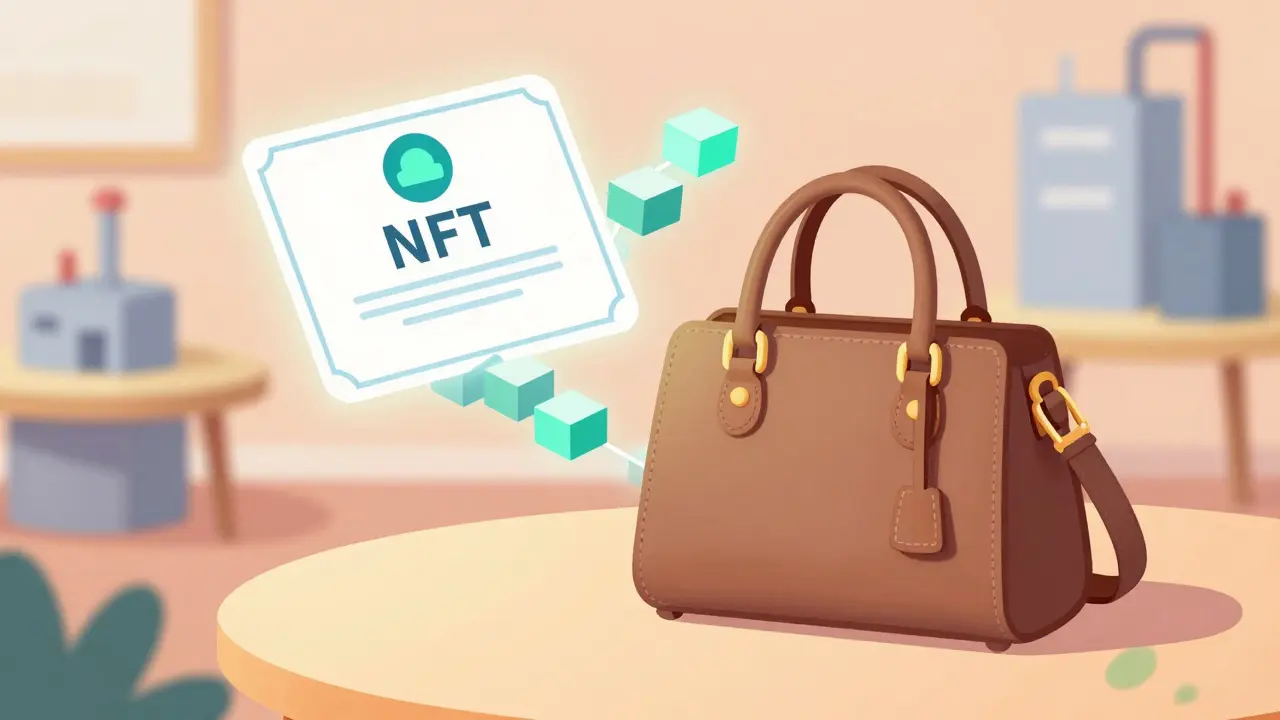
NFT anti-counterfeiting is a blockchain-based system that uses Non-Fungible Tokens to verify product authenticity. Counterfeiting costs the global economy over $1.82 trillion yearly. That’s more than the GDP of most countries. But here’s the good news: NFTs create digital certificates that can’t be duplicated. Unlike traditional methods like holograms or QR codes, NFTs offer unbreakable proof. Let’s see how this works in practice.
How NFTs Create Unbreakable Proof
Every NFT has three superpowers: immutability, traceability, and uniqueness. Blockchain technology is a distributed database that records transactions across many computers, making it impossible to alter records once they’re written. When a luxury handbag gets an NFT passport, its entire journey from factory to buyer is permanently stored. If someone tries to fake it, the blockchain immediately shows the original product’s history.
Think of it like a digital fingerprint. Each NFT has a unique cryptographic signature. Smart contracts are self-executing agreements that automate verification without needing middlemen. For example, when you scan a product’s QR code, the smart contract checks the blockchain to confirm it’s real. No human can tamper with this process.
Real-World Success Stories
Luxury brands are leading the charge. Gucci and Louis Vuitton now attach NFTs to physical products. When you buy a designer bag, you get a digital certificate linked to it. This lets you verify authenticity anytime. OpenSea is a major NFT marketplace with robust takedown procedures for counterfeit listings. They’ve reduced fake product searches by 95% for top brands.
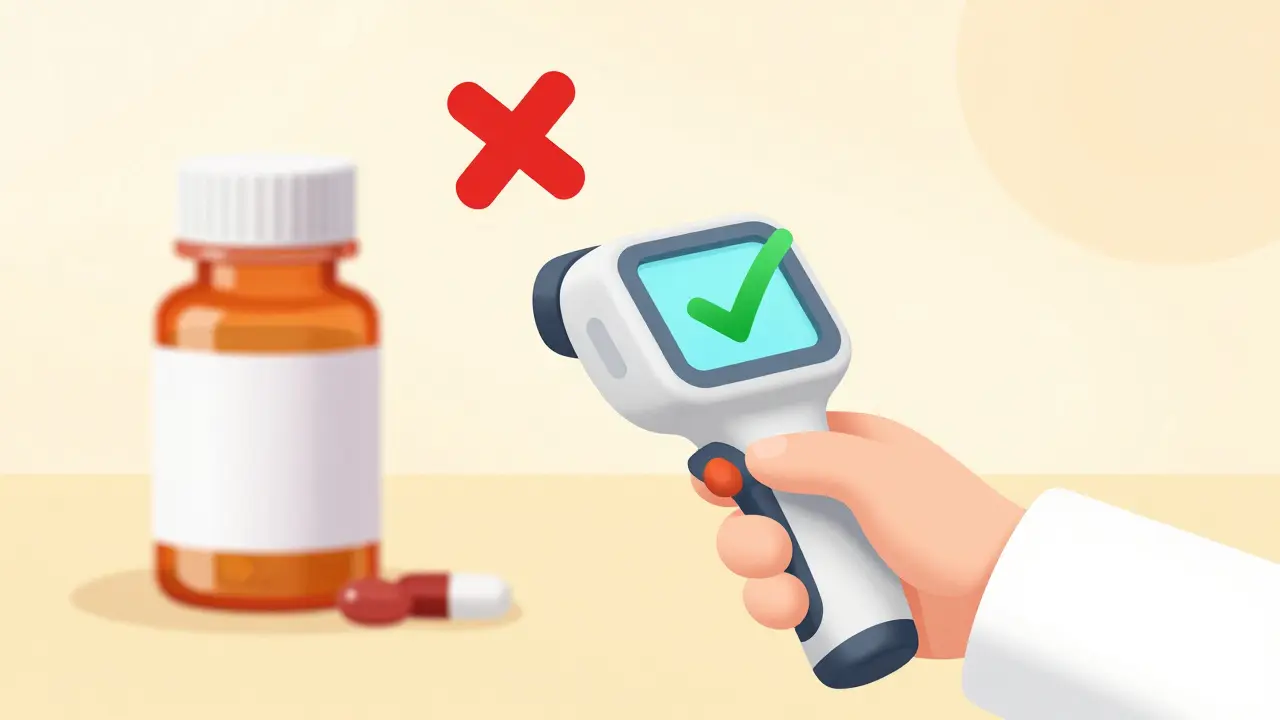
Pharmaceutical companies are using NFTs too. A recent study by the FDA found that 1 in 10 medicines sold online are fake. Now, drugs like insulin have NFT passports. Pharmacists scan them to confirm the product’s origin. This stopped a major counterfeiting ring in India last year that was selling fake diabetes medication.
Why NFTs Alone Aren’t Enough
Here’s the catch: NFTs can’t stop physical counterfeiting on their own. AlpVision is a company specializing in physical authentication. They explain that blockchain only tracks digital ownership. If someone copies a physical product like a sneaker, the NFT can’t tell the difference. That’s why real-world solutions combine NFTs with physical features.
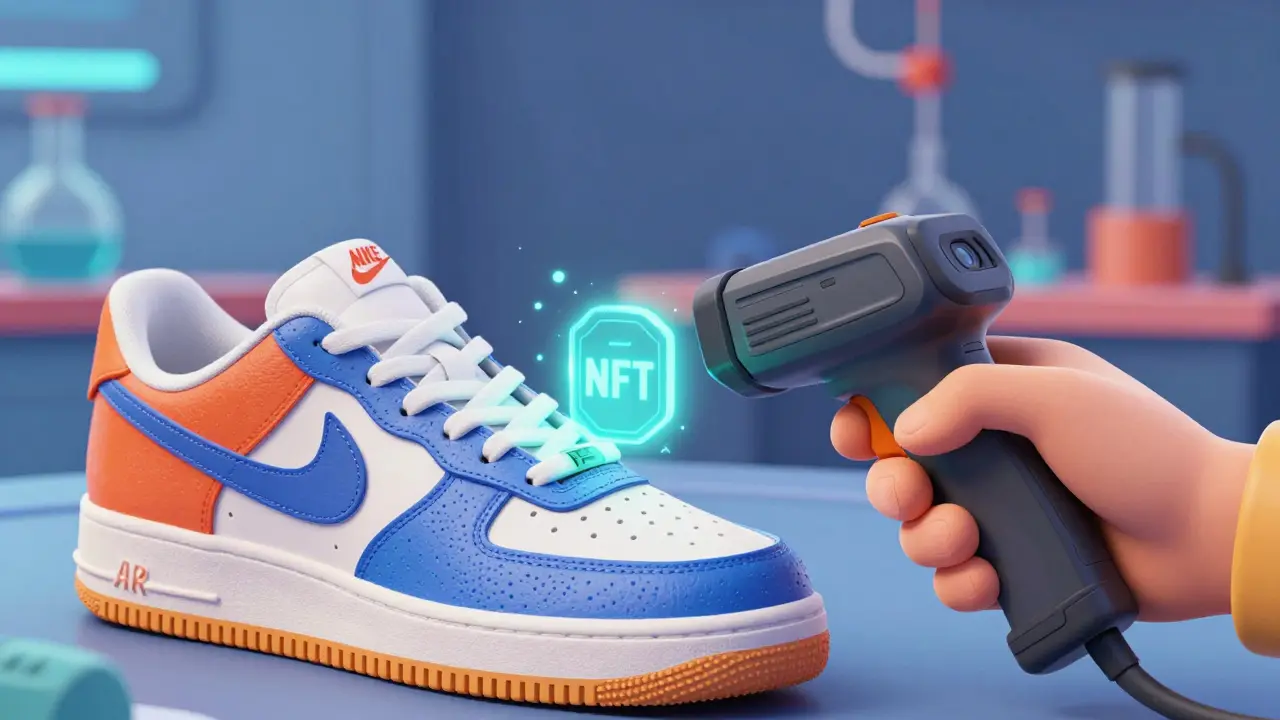
For example, Nike’s NFT sneakers include microscopic texture patterns on the shoe. These patterns are scanned and matched to the NFT’s data. If the texture doesn’t match, the NFT flags it as fake. This hybrid approach stops counterfeiters who try to replicate physical products. Without this physical layer, NFTs alone would fail.
Getting Started with NFT Anti-Counterfeiting
Businesses can start small. First, pick a high-value product to protect-like limited-edition sneakers or prescription drugs. Then, create an NFT for it using a platform like Ethereum is a blockchain platform supporting smart contracts. You’ll need to mint the NFT and link it to a physical product identifier.
Next, integrate with existing systems. A clothing brand might link NFTs to RFID tags in garment tags. When customers scan the tag, the NFT verifies authenticity. For smaller businesses, services like Chainlink provides secure data connections between blockchains and real-world systems simplify integration without deep technical skills.
Most companies see results within 6 months. A startup in Australia reduced counterfeits by 80% in six months using this approach. They started with just 50 products and scaled up.
What’s Next for NFT Anti-Counterfeiting
Expect NFTs to expand beyond luxury goods. Automotive companies are testing NFT vehicle passports. When you buy a used car, the NFT shows its full history-accidents, repairs, ownership. This could cut fraud in the used car market by half. Governments are also exploring NFTs for property deeds and passports.
But challenges remain. Public key cryptography secures NFTs using digital keys, but if a user loses their private key, they lose access. That’s why companies like MetaMask offers wallet solutions for secure key management are crucial. Experts predict hybrid systems will become standard, blending blockchain with physical security like biometric scanning.
Frequently Asked Questions
Can NFTs prevent physical counterfeiting?
No, not alone. NFTs verify digital ownership but can’t stop someone from copying a physical product. That’s why brands like Nike combine NFTs with unique surface textures or RFID tags. The physical feature stops counterfeiting, while the NFT proves authenticity. It’s a team effort between digital and physical security.
How do NFTs differ from traditional certificates?
Traditional certificates like paper receipts or holograms can be forged. NFTs live on blockchains where every transaction is permanent and public. If a handbag has an NFT passport, you can check its full history-where it was made, who owned it, and if it’s been reported stolen. No one can alter this record without being detected.
Are NFT anti-counterfeiting systems expensive?
It depends. For big brands, setup costs range from $50,000 to $200,000. But for small businesses, services like Chainlink offer plug-and-play solutions starting at $5,000. Most companies recover costs within a year by reducing counterfeit losses. A fashion startup in Europe saved $120,000 in lost sales after implementing NFT verification.
What happens if I lose my NFT?
If you lose access to your NFT wallet, you lose proof of ownership. That’s why secure key management is critical. Services like MetaMask offer backup options like seed phrases or hardware wallets. Always store your private keys offline. For businesses, platforms like Ethereum have recovery protocols to restore access without compromising security.
Which industries benefit most from NFT anti-counterfeiting?
Luxury goods and pharmaceuticals see the biggest impact. Counterfeit luxury items cost brands $2.5 billion yearly. NFTs cut this by 70% for early adopters. For drugs, fake medicines cause 100,000 deaths annually. NFT tracking stopped 15,000 fake pills in a single operation last year. Automotive and real estate are next in line for adoption.
NFTs are just another way for the elite to control us; they'll never stop tracking us.
Claims about NFTs solving counterfeiting are laughable. The technology is fundamentally flawed. Blockchain cannot verify physical authenticity. Anyone who thinks otherwise is deluded. This is a complete waste of time.
The integration of NFT technology into anti-counterfeiting frameworks is undoubtedly a groundbreaking development, yet it is imperative to recognize the inherent limitations of such systems.
The reliance on blockchain technology, though innovative, does not inherently address the physical replication of goods. For instance, when a counterfeit luxury handbag is produced, the NFT attached to the original item merely serves as a digital ledger entry; it cannot prevent the creation of a physical duplicate.
Moreover, the integration of NFTs with existing supply chains necessitates a comprehensive overhaul of current infrastructure, which is often met with resistance from established entities. Furthermore, the potential for quantum computing to compromise cryptographic signatures poses a long-term threat to the integrity of NFT-based systems.
In conclusion, while NFTs provide a valuable tool for authentication, they must be complemented by robust physical security measures and continuous advancements in cryptographic techniques to remain effective. The current hype surrounding NFTs often overlooks these complexities, leading to unrealistic expectations. Therefore, stakeholders must collaborate to address these multifaceted challenges. Only through such collaboration can we harness the true potential of NFT technology in combating counterfeiting. It's not just about the tech-it's about people, policy, and perseverance. The path forward requires humility and a willingness to adapt. Additionally, the environmental impact of blockchain mining cannot be ignored. Sustainable solutions must balance technological innovation with ecological responsibility. Regulatory frameworks also need to evolve to keep pace with these advancements. Without proper oversight, the system could be exploited. Finally, public education is essential to ensure widespread adoption and understanding of these technologies.
People think NFTs stop counterfeiting? That's ridiculous. It's all just digital stuff. You can still copy the real thing. The whole system is broken. They're just making money off of it. It's a scam. Everyone should know better.
NFTs? 💡 They're a band-aid solution. Physical counterfeiting is still rampant. 😒 Blockchain can't stop a fake sneaker. It's all smoke and mirrors. 🤦♂️
NFTs are a great step forward, but they work best when combined with physical security features. For example, Nike uses both NFTs and special textures on shoes. This makes it much harder to fake products. It's all about using multiple layers of protection. Good to see companies working together on this!
Wow! NFTs are changing the game! 😄 Let's all support this tech. It's amazing how it's helping fight counterfeits. 🚀 Companies need to adopt it ASAP! 💪
This is awesome! 🔥 NFTs are the future for authenticity. 💯 Brands should jump on board now. It's so easy to verify products now. 🙌
While foreign companies promote NFTs for counterfeiting, India must develop its own solutions. We should not rely on Western technology. Our own blockchain systems would be more secure and tailored to our needs. It is our duty to protect our industries with indigenous innovation. The world must recognize India's capabilities in this domain.
NFTs? Sure, they're great for digital stuff. But when it comes to physical goods, they're useless. 😏 The real solution is better manufacturing checks. Just saying.
Everyone's so hyped about NFTs. But let's be real: they don't stop counterfeiting at all. 🤦♂️ It's all a scam. Just look at the fake NFTs on marketplaces. 😂
Imagine a world where every product has a unique digital identity. 🌍 NFTs are not just tech-they're cultural evolution. From art to medicine, they're changing how we trust what we buy. This is history in the making!
NFTs are the future. They work. Simple. Companies should use them. Done.
Wow! This is really important! NFTs can really help stop counterfeits! But they need to be combined with physical security! It's not just about the digital! You have to have both! Otherwise, it's not enough! So important!
NFTs are just a fad. They don't solve real problems. It's all hype. Everyone knows it. The real issue is corruption. NFTs won't fix that.
So NFTs help with counterfeiting? Maybe. But it's not perfect. We need to think about the bigger picture. Like, what's the real problem? Maybe it's not just about tech. It's about people and systems. Just a thought.
NFT anti-counterfeiting has potential, but it's not a silver bullet. Physical security measures are still necessary. It's a step in the right direction though.
This is amazing! 🌟 NFTs can really make a difference. Brands should use them. It's a win for everyone. Let's support this!
While NFT technology offers significant advantages for authentication, it is essential to integrate it with physical security measures. For instance, combining NFTs with tamper-evident packaging ensures comprehensive protection against counterfeiting. This approach is currently being adopted by leading industries with great success.
NFTs? It's all a government conspiracy. They want to track everything. 😒 Even if you have a fake product, the NFT won't stop it. It's all about control. Wake up!
This is so exciting! 🚀 NFTs are changing how we fight counterfeits. It's amazing to see the progress. Let's keep pushing for more adoption. It's the future!
NFTs are a joke. They don't stop counterfeiting at all. It's all smoke and mirrors. The whole system is broken. Just look at the fake stuff out there. Pathetic.
NFTs? Meh. They don't do much. Physical counterfeits still happen. It's all overhyped. Too much fuss for nothing.
Ah, the glorious dawn of NFT-driven anti-counterfeiting! 🌅 A paradigm shift in verification! Blockchain's immutability ensures unparalleled authenticity. Yet, the physical realm remains a conundrum. We must transcend mere digital signatures. A holistic fusion of quantum-resistant cryptography and biometric authentication is the true path forward. This is the future! 🚀
Everyone's so into NFTs but they don't stop fakes. It's all a scam. Why do people believe this? 😒