
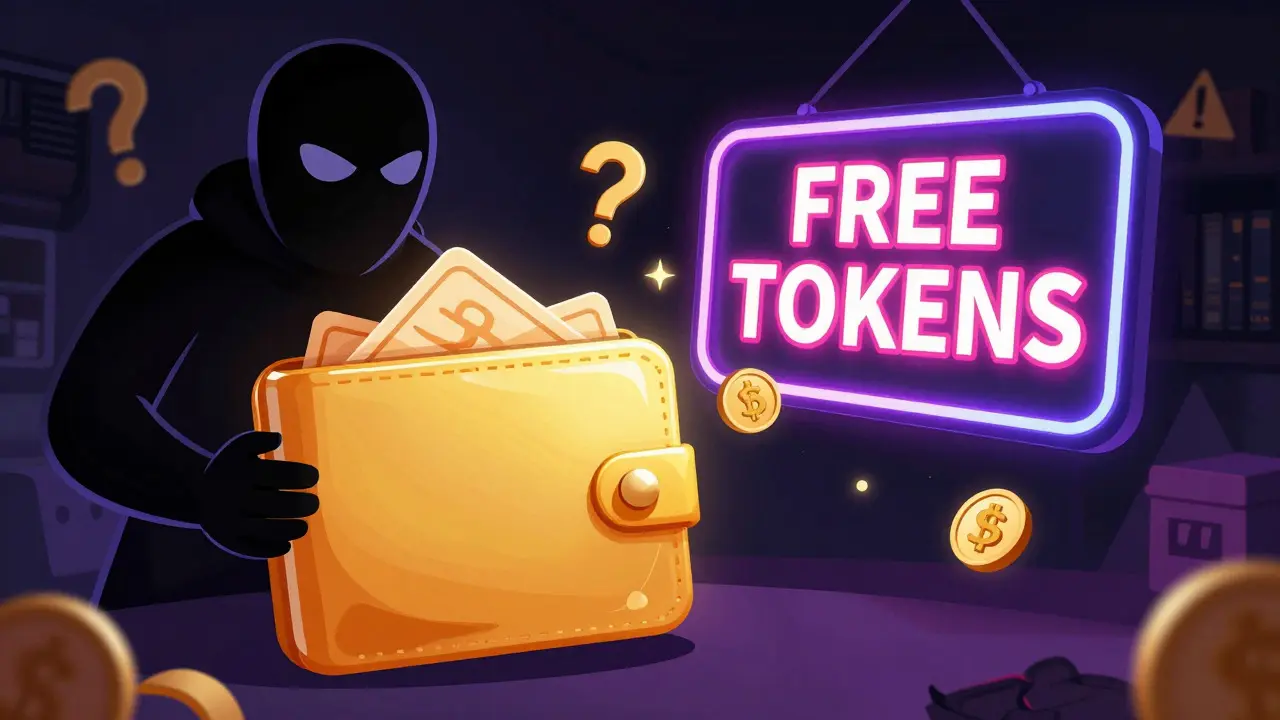
You’ve seen the flashy graphics. You’ve read the promises of "mega" rewards for simply connecting your wallet. The event is branded as the Leonicorn Swap Mega New Year Airdrop, offering free LEOS tokens. It sounds like the kind of easy money that makes cryptocurrency famous. But before you click that button and sign over your digital keys, we need to talk about what’s actually happening here.
The reality is stark: there is virtually no credible information about a project called Leonicorn Swap in the mainstream crypto ecosystem. No major listings on CoinMarketCap or CoinGecko. No verified audits from top-tier firms like CertiK or Hacken. No active community on reputable channels. When a project disappears into the void while promising the moon, it’s usually not because they’re keeping a low profile-it’s because they’re hiding something.
The Anatomy of a "Mega" Airdrop Trap
To understand why this specific event raises so many red flags, we have to look at how modern crypto scams operate. They rarely ask you to send money upfront. Instead, they use the bait of free tokens. This is known as an airdrop, which is a legitimate marketing strategy used by established projects like Uniswap or Arbitrum to distribute governance tokens to early users.
However, scammers have weaponized this concept. Here is the typical playbook for a fake airdrop like the one attributed to Leonicorn Swap:
- The Hook: Social media bots and paid influencers post screenshots of massive token balances. The promise is simple: connect your wallet, approve a transaction, and receive thousands of dollars worth of LEOS.
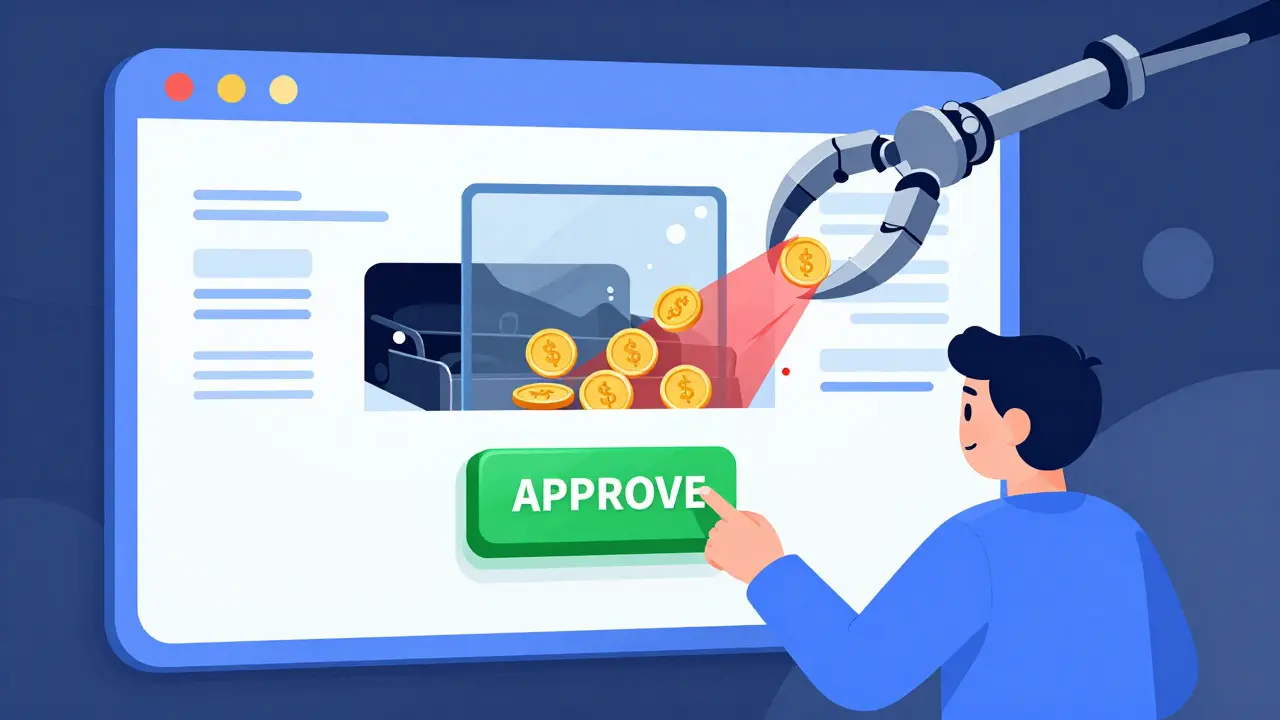
- The Approval Trap: To claim the reward, you are asked to interact with a smart contract. The critical step is the "Approve" function. In legitimate terms, this tells the contract how much of your asset it can move. In a scam, the limit is often set to "infinite."
- The Drain: Once you approve the transaction, the hacker doesn’t give you tokens. Instead, they trigger a second function that drains your existing assets-usually stablecoins like USDT or ETH-from your wallet using the permission you just granted.
This isn't theoretical. In 2024 and 2025 alone, millions of dollars were lost to similar "approval drain" attacks disguised as airdrops. The lack of verifiable data for Leonicorn Swap suggests it fits this pattern perfectly.
Red Flags: Why Leonicorn Swap Doesn't Add Up
If you are considering participating, run through this checklist. If the project fails even one of these checks, walk away.
| Feature | Legitimate Project (e.g., Uniswap, PancakeSwap) | Leonicorn Swap (Reported Claims) |
|---|---|---|
| Token Listing | Listed on CoinMarketCap, CoinGecko, Binance, Coinbase | No traceable listing on major aggregators |
| Smart Contract Audit | Audited by CertiK, OpenZeppelin, or Trail of Bits | No public audit reports found |
| Team Identity | Public founders with LinkedIn profiles and history | Anonymous or stolen identities |
| Community Presence | Active Discord/Telegram with real discussion, not just bots | Silent or bot-filled channels |
| Website Domain Age | Domain registered years ago | Often newly registered domains (check Whois) |
The absence of an audit is the biggest warning sign. A smart contract is code. Code has bugs. Without an independent expert reviewing that code, you are trusting strangers with your life savings. For a "Mega Event," the silence from the broader crypto community is deafening. Real projects generate noise. Fake projects generate confusion.
How to Verify Any Crypto Airdrop Safely
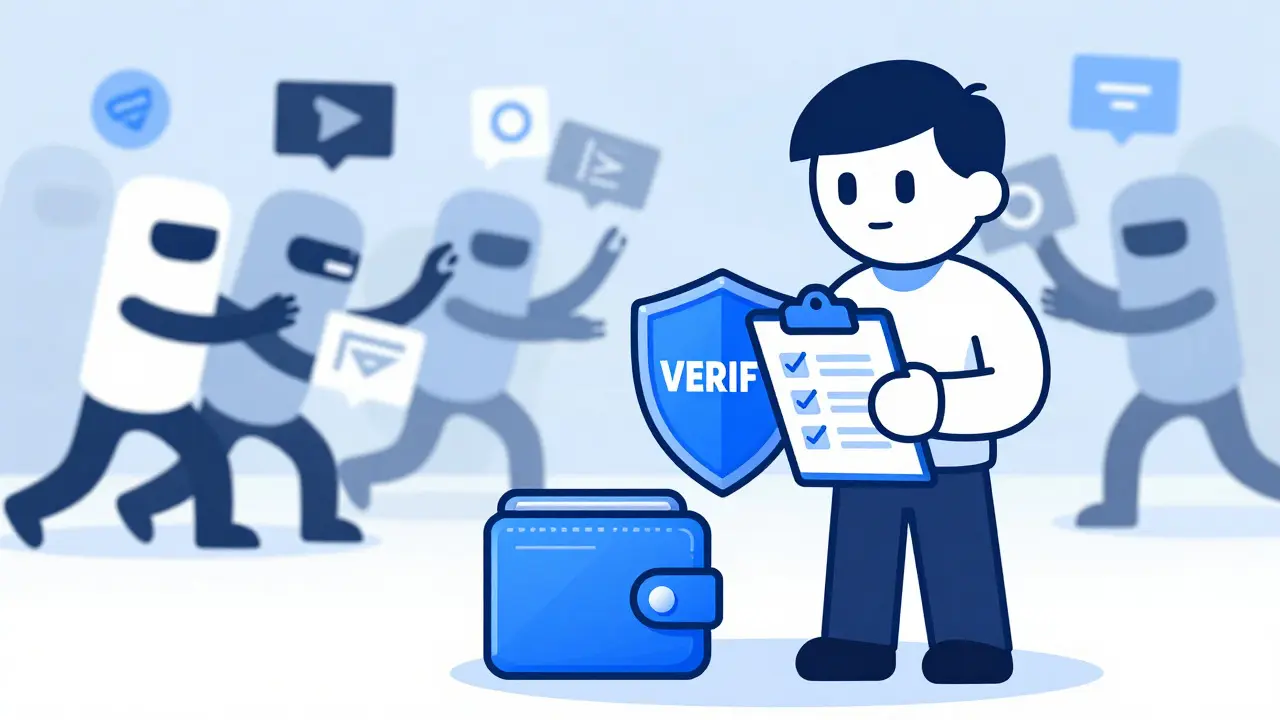
You don’t need to be a developer to protect yourself. You just need to follow a strict verification process. Treat every airdrop offer as guilty until proven innocent.
- Check the Source: Did you hear about this from an official announcement on the project’s verified Twitter/X account or website? Or did a random DM send you a link? If it’s the latter, delete it.
- Verify the Contract Address: Never copy-paste addresses from social media posts. Go directly to the official website (type it manually into your browser) to find the correct contract address. Compare it with what the airdrop site shows.
- Use a Burner Wallet: Never connect your main wallet-the one holding your long-term holdings-to unverified sites. Use a secondary wallet with only a small amount of funds, just enough to pay for gas fees if necessary.
- Revoke Permissions Regularly: If you do interact with new contracts, use tools like Revoke.cash or DeBank to check and remove any approvals you’ve given. This cuts off the thief’s ability to drain your wallet later.
For the Leonicorn Swap specifically, since there is no verifiable official presence, the safest action is non-action. Do not connect. Do not sign. Do not share your seed phrase.
The Psychology Behind FOMO in DeFi
Why do people fall for these traps? It’s not stupidity; it’s psychology. Scammers exploit FOMO (Fear Of Missing Out). They create artificial urgency. "Only 100 spots left!" "Claim ends in 2 hours!" This pressure bypasses your logical brain and triggers an emotional response.
They also use social proof. Bots flood comment sections with messages like "Just claimed $500 in LEOS!" These accounts are often created minutes before the post. Look closely at the profile pictures and join dates. If everyone joined last week and has no other activity, it’s a farm.
Remember this rule: If it sounds too good to be true, it is. In the world of decentralized finance, high rewards always come with high risk. Free money is the highest risk of all.
What to Do If You Already Connected Your Wallet
Panic helps no one. If you’ve already connected your wallet to the Leonicorn Swap site, take these steps immediately:
- Move Assets: Transfer any remaining funds from that wallet to a new, fresh wallet. Assume the old wallet is compromised.
- Revoke Approvals: Go to Revoke.cash, connect your affected wallet, and revoke any approvals given to unknown contracts. Look for names that don’t match the project or look suspicious.
- Change Passwords: If you reused passwords across platforms, change them now. Enable two-factor authentication (2FA) everywhere.
- Monitor Transactions: Keep an eye on your blockchain explorer address for any outgoing transactions you didn’t initiate.
Prevention is always cheaper than cure. In crypto, once the funds are gone, they are usually gone forever. There is no customer support line to call.
Legitimate Alternatives to High-Risk Airdrops
If you want to earn crypto rewards without risking your entire portfolio, focus on established ecosystems. Projects like Ethereum, Solana, and Polygon regularly launch testnets or incentivized programs for developers and testers. These require work-testing features, providing feedback-but they are transparent and backed by real technology.
Staking and liquidity provision on trusted exchanges like Coinbase or Kraken offer predictable, albeit smaller, returns. You trade volatility for security. For most investors, especially beginners, this is the smarter path.
The crypto space is full of innovation, but it’s also littered with traps. Leonicorn Swap appears to be another trap dressed up as an opportunity. Stay skeptical, verify everything, and keep your keys safe.
Is Leonicorn Swap a legitimate project?
As of mid-2026, there is no verifiable evidence that Leonicorn Swap is a legitimate project. It lacks listings on major trackers, public audits, and a transparent team. It exhibits all the signs of a potential scam or honeypot.
How can I tell if a crypto airdrop is a scam?
Look for missing audits, anonymous teams, newly registered domains, and excessive promises of free money. Always verify links manually and never connect your primary wallet to unverified sites.
What happens if I approve a malicious contract?
If you approve a malicious contract with infinite limits, hackers can drain your supported tokens (like USDT or ETH) from your wallet at any time without further permission. Revoke permissions immediately using tools like Revoke.cash.
Should I use my main wallet for airdrops?
Never. Always use a separate "burner" wallet with minimal funds. This isolates your main assets from potential risks associated with interacting with new or unverified smart contracts.
Where can I find legitimate crypto rewards?
Focus on established protocols like Ethereum, Solana, or major exchanges like Coinbase and Kraken. Look for staking, yield farming on audited platforms, or official testnet programs rather than random social media airdrops.