
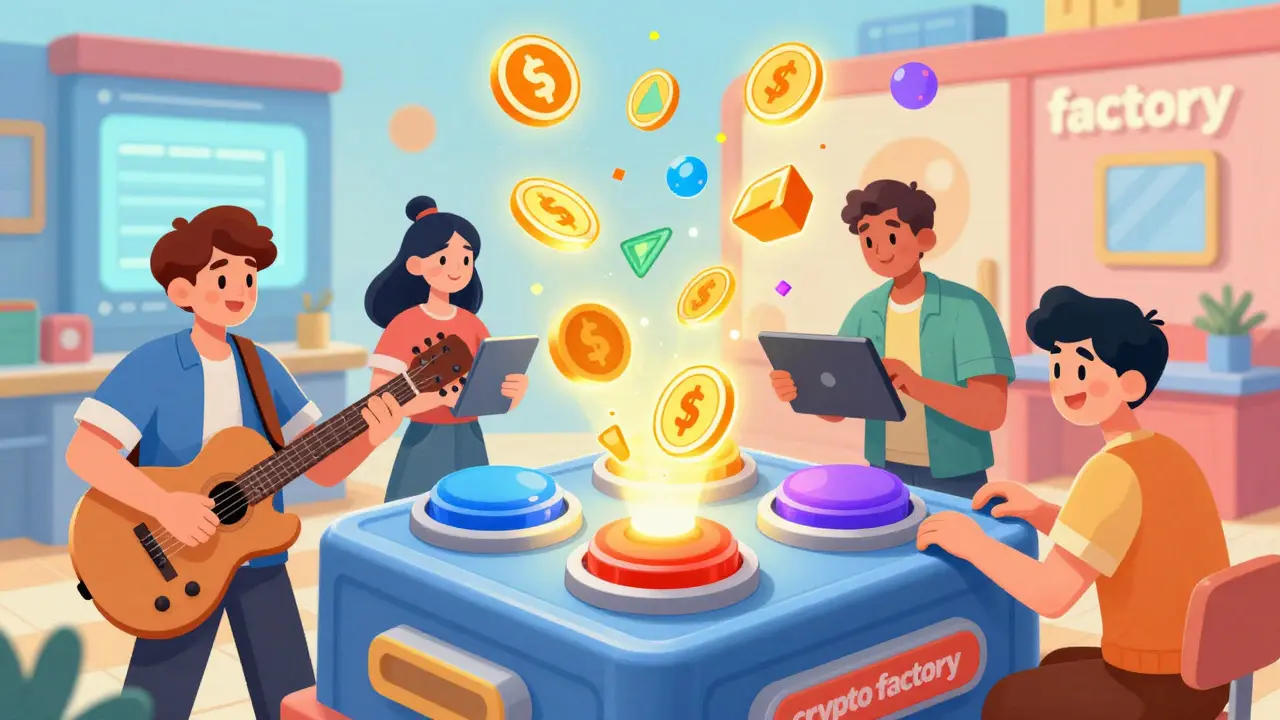
Imagine launching your own cryptocurrency without writing a single line of code. No expensive developers, no complex smart contract audits-just a few clicks and your token is live. That is the promise of MintMe.com is a blockchain-based platform that combines token creation tools, a decentralized exchange, and social networking features. It isn't just a place to trade; it is a factory for creators to turn ideas into tradable assets. But in a world where "too good to be true" often ends in a wallet drain, does this platform actually deliver, or is it a risky gamble?
The Bottom Line on MintMe
- Best For: Non-technical creators, artists, and meme coin enthusiasts who want rapid deployment.
- Worst For: Institutional investors, risk-averse traders, and those requiring strict regulatory compliance.
- Key Strength: Extremely low barrier to entry for minting tokens across multiple chains.
- Major Red Flag: Lack of transparent corporate identity and concerning user reports regarding fund security.
How the Token Creation Ecosystem Works
Most exchanges are just marketplaces. You buy what already exists. MintMe.com flips this by letting you be the supplier. The platform targets the "creator economy," allowing people in industries like music or writing to fund projects by issuing their own tokens. Whether you want to launch an AI Agent coin or the next viral meme token, the process is designed to be intuitive.
The magic happens through a web-based interface that abstracts the technical side of the Blockchain. You don't need to know how to program in Solidity or Rust. You simply define your token's attributes and hit mint. While basic minting is advertised as free, you still have to cover the network gas fees to deploy that token onto a live chain. This removes the "developer tax" that usually makes launching a crypto project prohibitively expensive for individuals.
Multi-Chain Support and Technical Reach
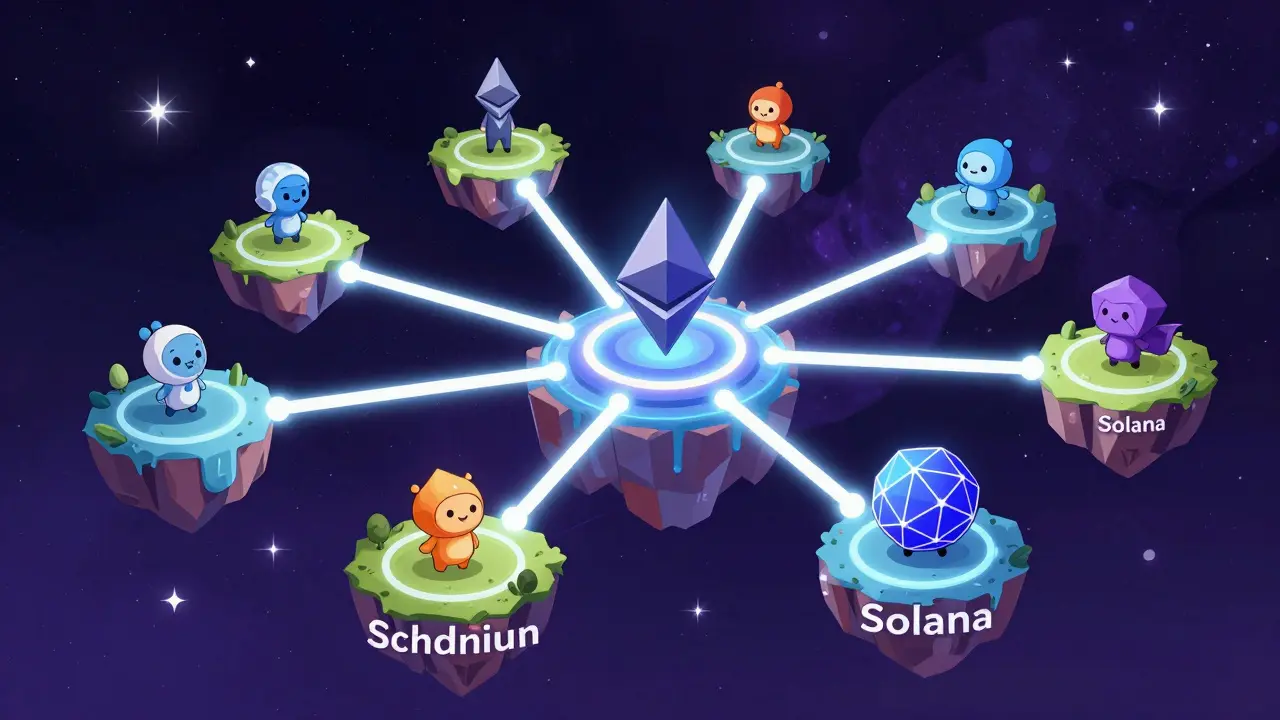
A token is useless if it's trapped on a ghost chain. To solve this, the platform supports a wide array of networks, ensuring your project has a place to live and be traded. As of late 2025, the system integrates with nine different blockchain environments, allowing creators to choose their ecosystem based on speed, cost, or community reach.
| Blockchain Network | Primary Use Case | Value Proposition |
|---|---|---|
| Ethereum | High-value tokens | Maximum security and prestige |
| Binance Smart Chain | Fast, cheap tokens | Lower entry cost for users |
| Solana | Meme coins / High speed | Near-instant transaction times |
| Polygon | Scalable apps | Efficient Layer-2 scaling |
| BASE | Coinbase ecosystem | Deep integration with retail users |
By offering support for Arbitrum, Avalanche, and the CRO (Crypto.com Chain), the platform ensures that creators aren't locked into a single ecosystem. This multi-chain approach is critical for liquidity; it means your token can potentially be accessed by users across different wallet types and network preferences.
Trading Fees and the Referral Game
Once a token is created, it needs a place to be traded. The integrated exchange allows for immediate liquidity, meaning you don't have to spend weeks applying to get listed on a major exchange. The cost of doing business here is a flat 0.5% trading fee. In the world of crypto, this is fairly competitive, especially for a platform that provides the creation tools for free.
There is an interesting twist in their monetization: the referral program. Half of those trading fees (0.25%) are distributed back to users who bring new traders to the platform. This turns users into marketers, creating a viral loop that helps new tokens gain visibility. It's a smart move for a platform trying to grow its user base without a massive corporate marketing budget.
The Social Layer: More Than Just Charts
One area where this platform departs from standard exchanges is the inclusion of social networking features. Instead of relying solely on X (formerly Twitter) or Telegram to build a community, creators can post updates directly in a social feed on the platform. This creates a tighter loop between the token's price action and the project's news.
For a musician using their token to fund a new album, this means they can share snippets of songs or behind-the-scenes footage right where their investors are trading. It transforms the exchange from a sterile financial tool into a creative hub. This integration is exactly why some users prefer it over more traditional, trading-only platforms like CoinCircle.

The Red Flags: Safety and Legitimacy
We can't talk about this platform without addressing the elephant in the room: trust. While the technical ease is impressive, the corporate transparency is nearly non-existent. The team remains anonymous, and reports suggest operations are based in Belize. For many, this is a dealbreaker. When you are trusting a platform with your Ethereum (ETH) or other assets, knowing who is behind the curtain matters.
User feedback is sharply divided. On one hand, you have creators who successfully launched tokens and felt motivated to learn more about the blockchain. On the other hand, there are scathing reports on Trustpilot. Some users have alleged that the platform is a scam, citing instances where they were unable to remove tokens or experienced unauthorized charges-one user reported losing $250 in ETH. The lack of a verifiable phone number or physical address makes these complaints harder to resolve and increases the perceived risk.
Comparing it to giants like Binance or Coinbase, the gap in regulatory compliance is massive. Those platforms operate under strict licenses; MintMe operates in a more "wild west" fashion. If you are a professional trader or someone who cannot afford to lose their principal investment, this environment may be too volatile for your taste.
Practical Advice for New Users
If you're still tempted to try it out for a creative project, don't go in blind. The learning curve for minting is low, but the curve for marketing is steep. Many users find that while they can create a token in minutes, they have no idea how to actually attract buyers or fund their project. The platform provides the tools, but it doesn't provide the roadmap for success.
To minimize your risk, follow these rules of thumb:
- Use a Burner Wallet: Never connect your primary hardware wallet or your main savings account to a platform with anonymous ownership. Use a separate wallet with only the funds you are willing to lose.
- Start Small: Test the minting and withdrawal process with tiny amounts of crypto before committing significant capital.
- Diversify Your Community: Don't rely solely on the built-in social feed. Build your audience on established platforms so you own your community regardless of the exchange's fate.
Is MintMe.com free to use?
Basic token minting is advertised as free, but you are still responsible for the blockchain transaction fees (gas fees) required to deploy your token on networks like Ethereum or Solana.
What are the trading fees on the platform?
The platform charges a 0.5% trading fee. Interestingly, 50% of these fees are shared with users who refer new traders through their referral program.
Which blockchains does MintMe support?
As of late 2025, it supports nine networks, including Ethereum, Binance Smart Chain, Solana, BASE, Avalanche, CRO, Arbitrum, Polygon, and its own native MintMe.com Coin.
Is it safe to use MintMe.com?
The platform is high-risk. While many users enjoy the ease of token creation, there are serious allegations of scams and fund losses on Trustpilot, and the team is anonymous with operations reportedly in Belize.
Do I need to know how to code to create a token?
No, the platform is specifically designed for non-technical users. You can create and launch your own tokens using a simple web interface without writing any smart contract code.
Absolute joke. Anyone with a brain knows that anonymous teams in Belize are just waiting to rug-pull every single peasant who thinks they can get rich quick with a 'meme coin' 🙄
It's really important to remember that the technology itself is just a tool! While the risks are high, the goal of democratizing token creation is a beautiful vision for artists who have been shut out of the financial world for too long. Just please, please be careful with your keys!
typical plebeian garbage... imagine thinking a web interface constitutes 'innovation' when the underlying architecture is just a copy-paste of a thousand other scams’ the sheer audacity of these bottom-feeders is truly a marvel of modern greed
I would suggest that all aspiring creators focus on the fundamentals of their project before worrying about the minting process. 🛡️ It is better to build a slow, steady foundation than to rush into a high-risk environment.
idk why people even care about the 'social layer' lol. its just another way to keep you glued to the screen while they syphon your eth. the 'dev tax' is a myth anyway if you actually know how to deploy a contract on polygon
its all a psyop by the elites to track your movements using these 'multi chain' bridges just to funnel everyone into a central database so they can freeze your assets when the great reset happens dont trust any site based in belize or anywhere else for that matter
Sounds like a gamble. I'll pass.
Oh wow, a 'factory for creators'! How absolutely revolutionary. I'm sure the venture capitalists are shaking in their boots now that some randoms in Belize have decided to implement a basic API that wraps a standard ERC-20 contract. Let me guess, the 'social feed' is just a glorified message board where people can shill their worthless tokens until the liquidity pool dries up and the dev vanishes into the ether of the Caribbean. It's basically 'Crypto for Dummies' but the dummies are the ones paying the gas fees for a token that has the utility of a wet napkin. If you enjoy gambling your life savings on a platform with the transparency of a brick wall, by all means, dive right in! Just don't come crying when you realize that 'no code' also means 'no security' and your wallet gets drained by a script that was probably written by a teenager in a basement. Truly, a masterpiece of financial engineering if your goal is to lose money as efficiently as possible.
The idea of helping artists fund their work is so sweet! ✨ But those red flags are definitely scary. Always keep your main stash in a cold wallet, fam! 🔒🌈
The sheer lack of intellectual rigor in this entire 'creator economy' movement is staggering. 🙄 It's nothing more than a digital carnival for the economically illiterate to play pretend-investor. 🤡
Actually, the referral system is a textbook example of a Ponzi-lite mechanism. It's not 'smart marketing,' it's just incentive-based recruitment to inflate user numbers for a potential exit scam.
I think there's a middle ground here where the accessibility helps people learn, even if the platform itself is questionable. It's a reflection of the broader tension between ease of use and security in the digital age.
hope everyone stays safe and doesn't lose their money
There is something profoundly melancholic about the way we've reduced art to a 'tradable asset' that can be minted in three clicks. We are essentially commodifying the act of creation into a series of speculative bets, where the value isn't in the music or the writing, but in the volatility of the token's price on a Belize-based exchange. It makes me wonder if the ease of entry actually destroys the incentive to produce something of lasting quality when the goal is simply to trigger a viral loop of referral fees and hype. In a world where the barrier to entry is zero, the noise becomes deafening, and the actual art gets buried under a mountain of meme coins and AI-generated sludge.
I appreciate the warnings provided in the post. It's always better to be cautious and use a burner wallet when exploring new platforms!
who cares if the team is anonymous most of the big projects started that way anyway just use a burner and stop whining
India is becoming a hub for such tech and we will soon dominate this space with our own platforms that are 100 times better than some random Belize site! 🇮🇳 It is just a matter of time before our genius developers sweep the board!
I totaly agree that the burner wallet advice is lauxurious! It's the most critical step for any newcomer who wants to explore without risking their life savings. Let's all support each other in learning these tools safely!!
The 'practical advice' section is far too basic. Anyone who can't figure out what a burner wallet is has no business touching a blockchain in the first place.
I wonder if anyone has tried integrating these tokens with actual physical goods yet? That would be a way to add real value instead of just trading air.
Just vibe with it. Use a tiny bit of cash, have some fun, and don't expect to retire on a meme coin. Keep it chill.