
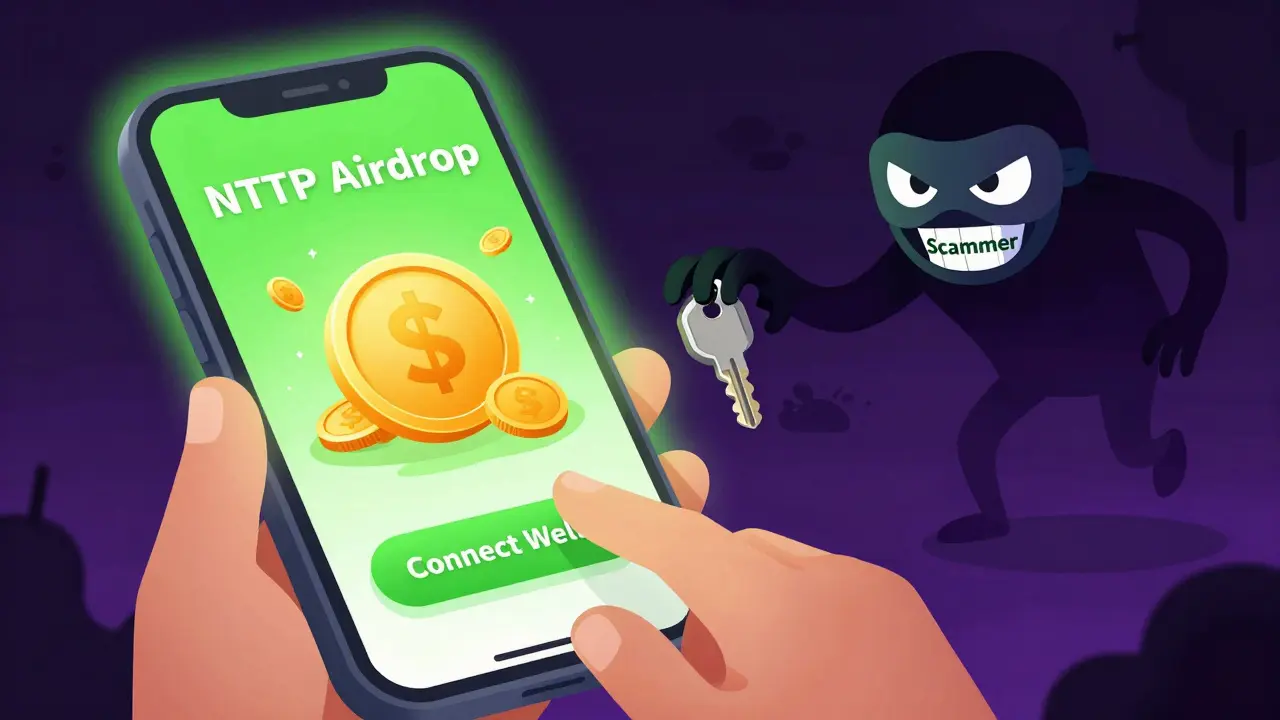
You saw the buzz. Maybe it was a Telegram group, a Twitter thread, or an email promising free NFTP tokens from a project called NFT TOKEN PILOT. The promise is simple: connect your wallet, claim some points, and watch them turn into real money later. It sounds too good to be true because, in the world of cryptocurrency, it usually is.
I’ve been covering digital assets for years, and I’ve seen this script play out hundreds of times. Today, July 2026, the landscape is cleaner than it was during the wild west days of 2021, but scammers are getting smarter. They use legitimate-sounding names like "Pilot" and "Token" to trick you into thinking there’s a solid foundation behind the hype. Let’s cut through the noise and look at what is actually happening with this so-called airdrop.
The Reality Check: Does This Project Exist?
Here is the hard truth: There is no credible, verifiable evidence of a legitimate project called NFT TOKEN PILOT issuing an official NFTP airdrop on major blockchains like Ethereum, Solana, or Bitcoin. When you search for whitepapers, audit reports, or verified social media accounts linked to a recognized development team, you hit a wall. Silence.
In the crypto industry, silence is rarely a feature; it’s a bug-or worse, a red flag. Legitimate projects build in public. They share their GitHub repositories, list their team members on LinkedIn, and undergo security audits from firms like CertiK or Hacken. If you cannot find these basic pillars of trust, you are likely looking at a "rug pull" setup or a phishing trap designed to steal your private keys or drain your wallet balance.
Is NFTP TOKEN PILOT a legitimate project?
There is no verifiable evidence that NFT TOKEN PILOT is a legitimate entity. Lack of transparent team information, missing code audits, and absence from reputable tracking sites suggest it is likely a scam.
How These Fake Airdrops Work
To protect yourself, you need to understand the mechanics of the trap. Scammers don’t just send you nothing; they often try to take something from you. Here is the typical playbook used by fake airdrop campaigns:
- The Hook: You see ads claiming early adopters will receive massive amounts of $NFTP. FOMO (Fear Of Missing Out) drives you to click the link.
- The Connection: You are directed to a website that looks professional. It asks you to connect your Web3 wallet (like MetaMask, Phantom, or Trust Wallet) to "claim" your rewards.
- The Trap: Once connected, the site might ask you to sign a transaction. This signature isn’t just for claiming tokens; it grants the contract permission to spend your existing assets. Alternatively, the site may inject malicious scripts that steal your seed phrase if you type it in anywhere.
- The Disappearance: After draining wallets or collecting data, the website vanishes. The Telegram group gets deleted. The Twitter account goes silent. Your funds are gone, sent to a mixer or an untraceable address.
This isn't speculation. In 2024 and 2025 alone, billions of dollars were lost to similar "airdrop" scams where users authorized malicious smart contracts thinking they were interacting with a safe protocol. The technology hasn't changed, only the branding has.
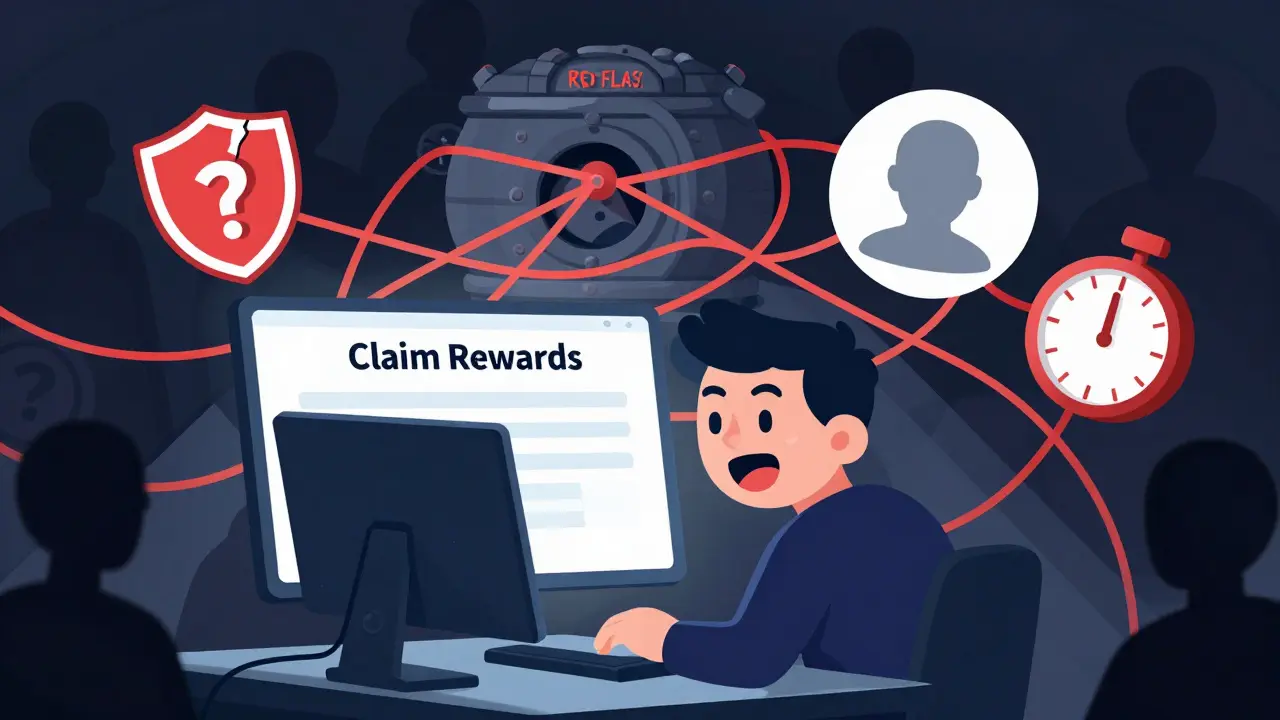
Red Flags to Watch For
Before you even think about connecting your wallet to any platform promoting NFTP, run through this checklist. If you see more than one of these signs, walk away immediately.
- No Doxxed Team: Real projects have founders who put their faces and names on the line. Anonymous teams are common in early-stage crypto, but combined with other red flags, it’s a major risk.
- Pressure Tactics: Phrases like "Claim now before supply runs out" or "Only 24 hours left" are psychological triggers used to bypass your critical thinking.
- Poor Grammar and Design: While some scams are well-funded, many still have subtle errors in their copy or broken links in their footer. Check the URL carefully. Is it `nfttokenpilot.com` or `nft-token-pilot-secure.net`? Typosquatting is a common tactic.
- Lack of Community Verification: Go to CoinGecko or CoinMarketCap. Search for "NFTP." If it’s not listed, or if the listing has zero volume and no market cap history, it doesn’t exist as a tradable asset yet.
| Feature | Legitimate Project | Suspicious Project (e.g., NFTP) |
|---|---|---|
| Team Transparency | Public profiles, LinkedIn links | Anonymous, stock photos, or stolen bios |
| Code Audit | Published by reputable firms (CertiK, OpenZeppelin) | No audit or self-proclaimed "internal" audit |
| Communication | Regular updates, roadmap adherence | Silent, vague promises, pressure tactics |
| Wallet Interaction | Read-only connections initially | Immediate request for signatures or approvals |
Protecting Your Digital Assets
Your wallet is your bank. Treat it with the same caution you would a physical vault. Here are practical steps to keep your crypto safe in 2026:
Use a Burner Wallet: Never connect your main wallet-the one holding your life savings-to unknown websites. Create a separate wallet with minimal funds for testing new protocols. If it gets drained, the loss is manageable.
Revoke Permissions Regularly: Tools like Revoke.cash allow you to see which contracts have access to your wallet. If you connected to a suspicious site last month, check if it still has approval to move your tokens. Revoke any permissions you don’t recognize.
Verify URLs Manually: Don’t click links from DMs or random tweets. Type the project’s name into a search engine, look for the verified badge, and navigate manually. Even then, double-check the domain spelling.
Enable Hardware Signatures: Using a hardware wallet (like Ledger or Trezor) adds a layer of security. You physically press buttons to approve transactions, making it harder for remote malware to steal your funds without your knowledge.
What To Do If You Already Connected
If you already connected your wallet to a site promoting NFTP or NFT TOKEN PILOT, don’t panic, but act fast. First, move all your remaining funds to a new wallet address immediately. Second, go to Revoke.cash and disconnect the suspicious contract. Third, monitor your transaction history for any unauthorized movements. If you suspect your seed phrase was compromised, assume the wallet is burned and never use it again.
The Psychology of Crypto Greed
Why do people fall for these scams? It’s not stupidity; it’s hope. We all want a shortcut. We see stories of people getting rich overnight from Uniswap or Arbitrum airdrops and think, "Why not me?" Scammers exploit this desire. They know that when you’re excited, you stop checking details. They count on your adrenaline overriding your logic.
Remember this rule: If it feels too easy, it’s a trap. Legitimate airdrops require work-testing networks, providing liquidity, engaging in governance. They don’t just hand out wealth for clicking a button. The cost of entry for a real airdrop is time and gas fees. The cost of a fake airdrop is everything.
Final Thoughts on Due Diligence
In the current market, due diligence is your best defense. Before investing time or money in any project, ask yourself: Who built this? Where is the code? Who audited it? What is the utility? If you can’t answer these questions with concrete sources, stay away. The internet is full of noise, but signal is rare. Protect your capital by ignoring the noise and focusing on verified, transparent projects. Your future self will thank you for keeping your hands off the bait.
Can I recover funds lost to a fake airdrop?
In most cases, no. Cryptocurrency transactions are irreversible. Unless the scammer voluntarily returns funds (which is extremely rare), once the assets are moved to their wallet, they are gone forever. Always prioritize prevention over recovery.
How can I verify if an airdrop is real?
Check for official announcements on the project's verified social media channels. Look for listings on CoinGecko or CoinMarketCap. Verify the smart contract address on Etherscan or Solscan. Ensure the team is public and the code has been audited by a reputable firm.
Is it safe to connect my wallet to claim airdrops?
It is risky. Only connect your wallet if you have thoroughly vetted the project. Use a secondary "burner" wallet with minimal funds for claiming airdrops. Never connect your primary wallet containing significant assets to unverified platforms.
What should I do if I accidentally signed a malicious transaction?
Immediately move all remaining funds to a new, secure wallet. Revoke all permissions granted to the malicious contract using tools like Revoke.cash. Change your passwords if you entered them on the suspicious site. Monitor your activity closely for further unauthorized actions.
Are all anonymous crypto projects scams?
Not necessarily, but anonymity increases risk. Many legitimate privacy-focused projects operate with pseudonymous teams. However, you must compensate for this lack of identity with strong technical proof: open-source code, rigorous audits, and a track record of successful operations.