
Ever wondered if you could earn crypto by virtually cooking pasta? That is the core promise of OneRare, a blockchain-based food metaverse that blends gaming with real-world culinary culture. While many users search for a traditional "airdrop" of free tokens, OneRare operates differently. It uses a farming mechanic where you stake tokens to yield Ingredient NFTs. This distinction matters because it changes how you approach earning rewards. You are not just waiting for a random drop; you are actively participating in a virtual economy.
What Is OneRare and Why Does It Matter?
OneRare is the world's first food metaverse, or 'Foodverse', designed to bring global cuisine onto the blockchain. Unlike generic play-to-earn games focused on combat or fantasy, OneRare centers entirely on food. Launched on the Polygon network to ensure low gas fees and fast transactions, the platform allows players to mint dishes, farm ingredients, and trade them. The native token, ORARE, powers this ecosystem. Since its development began in late 2021, the project has attracted partnerships with celebrity chefs like Saransh Goila and Michelin-starred Anthony Sarpong, adding legitimacy to its digital assets.
How to Get Ingredient NFTs: Farming vs. Airdrops
Most people searching for an "ORARE airdrop" are looking for free tokens sent to their wallets. However, OneRare’s primary distribution method for Ingredient NFTs is staking, not random distribution. Here is how it works:
- Stake ORARE: You lock your ORARE tokens in one of six themed farming pools.
- Yield Ingredients: The pool emits Ingredient NFTs at a fixed hourly rate.
- Randomized Rewards: You cannot choose specific ingredients. If you want tomatoes, you might get onions instead. This randomness creates market scarcity.
This system ensures that Ingredient NFTs have value because they require capital (staked tokens) and time to acquire. There are no confirmed massive free airdrops of Ingredient NFTs for simply holding a wallet. Instead, the "airdrop" equivalent is the continuous emission from your staked position.
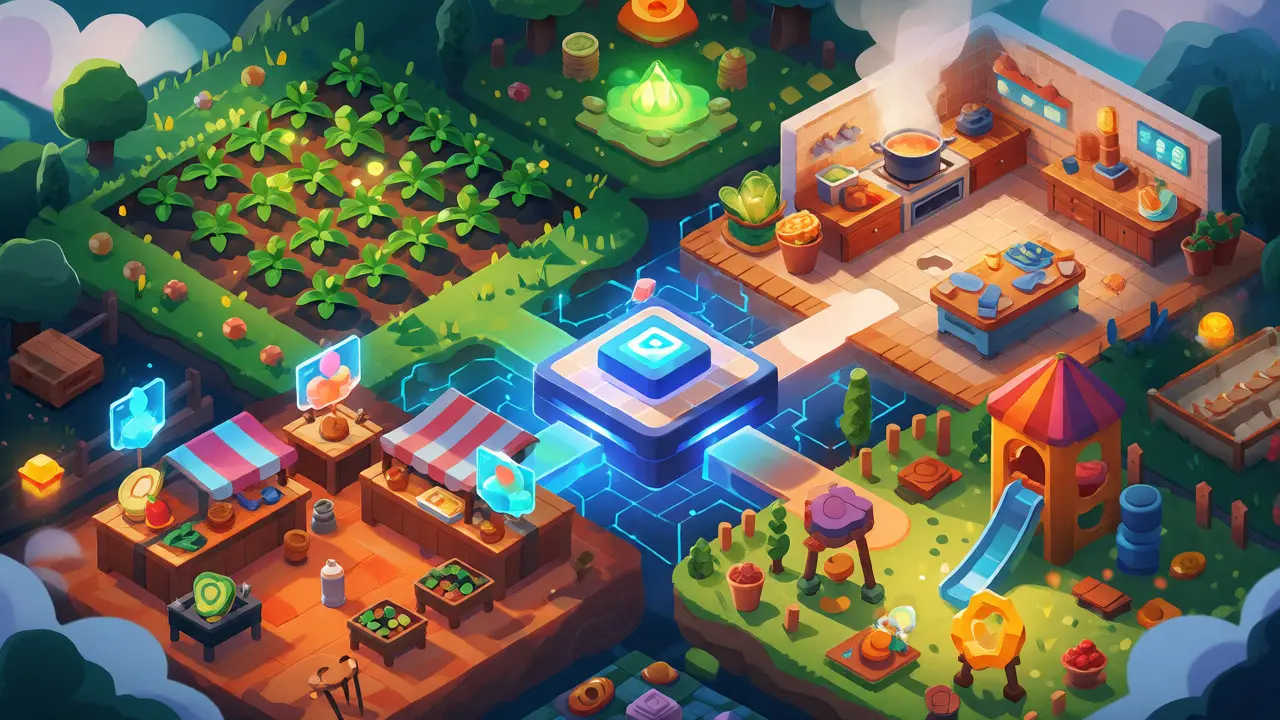
| Component | Function | Key Mechanic |
|---|---|---|
| Farm | Production Hub | Stake ORARE to yield Ingredient NFTs |
| Kitchen | Crafting Zone | Burn Ingredients to mint Dish NFTs |
| Farmer's Market | Trading Platform | Buy/sell Ingredients and Dishes |
| Playground | Mini-Games | Use NFTs to win additional rewards |
The Four Zones of the Gaming Island
The OneRare Gaming Zone is divided into four distinct areas, each serving a specific economic function. Understanding these helps you strategize your earnings.
The Farm
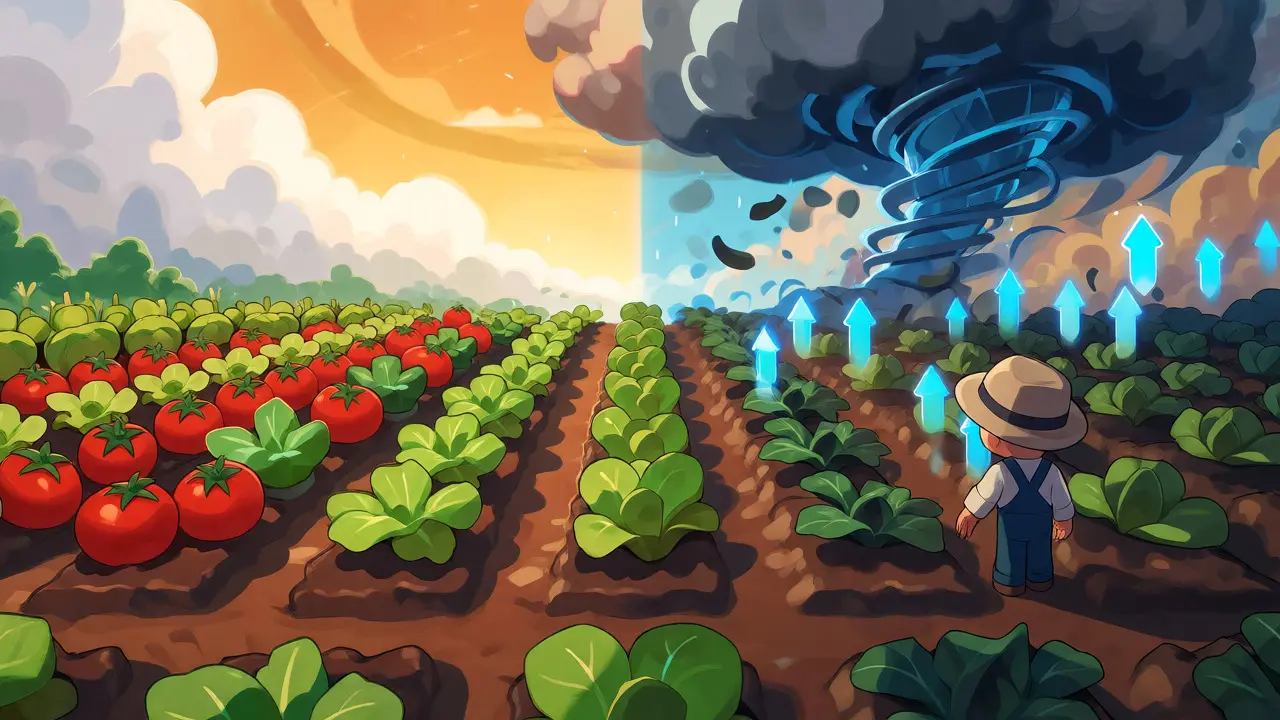
This is where the magic happens. You connect your wallet and deposit ORARE into pools dedicated to different cuisines, such as Italian or Asian themes. The longer you stake, the more ingredients you accumulate. But beware: the game simulates real-world agricultural risks. Events like droughts, tornadoes, or pest attacks can temporarily halt the production of specific crops. During a simulated drought, tomato yields might drop, causing the price of Tomato NFTs to spike in the marketplace. Smart farmers watch these environmental events closely to buy low or sell high.
The Kitchen
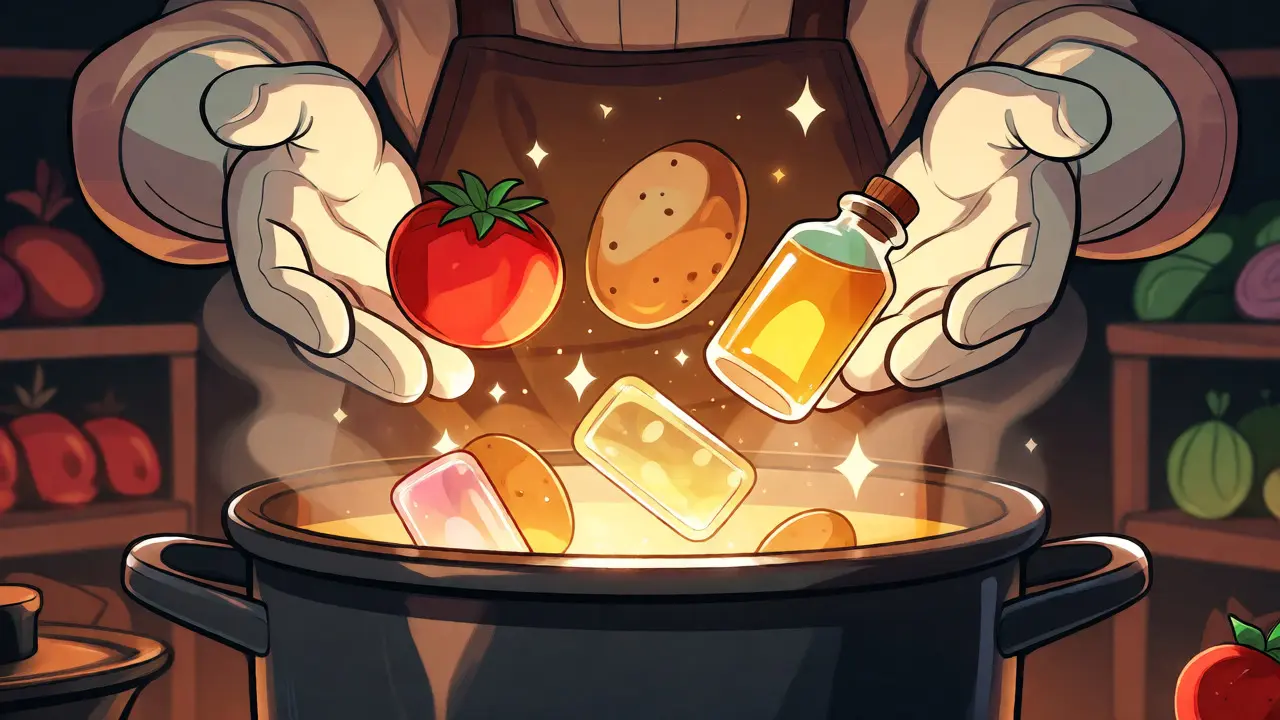
Here, you turn raw materials into finished products. To mint a Dish NFT, you must combine specific Ingredient NFTs. For example, making French Fries requires Oil, Salt, and Potato NFTs. Once you cook the dish, those ingredient NFTs are burned-permanently removed from circulation. This burn mechanism reduces supply and potentially increases the value of remaining ingredients. You cannot reclaim ingredients once they are cooked, so plan your recipes carefully.
The Farmer's Market
If you do not want to cook, you can sell. The market features three types of shops: one for selling your farmed produce, one for buying special ingredients that cannot be farmed, and one for trading minted Dish NFTs. Prices fluctuate based on supply and demand within the game. If everyone is making pizza, the price of cheese and dough NFTs will rise. This dynamic pricing model keeps the economy active and prevents stagnation.
The Playground
Not all gameplay involves grinding. The Playground hosts mini-games where you use your existing Ingredient or Dish NFTs as entry tickets or power-ups. Winning these games can reward you with rare NFTs or additional ORARE tokens. It adds a layer of skill and luck to the otherwise passive income stream of farming.
Environmental Factors and Scarcity
OneRare introduces volatility through its environmental simulation engine. In most blockchain games, resources are infinite or strictly capped by block height. In OneRare, weather events alter supply chains. A sudden "pest attack" might destroy the current stock of lettuce NFTs available for farming. Players who anticipated this event-or were lucky enough to hold lettuce before the crash-can profit significantly when others rush to buy ingredients to complete their orders. This feature transforms the game from a simple clicker into a strategy market simulator.
Partnerships and Real-World Integration
Why would anyone care about digital onions? Because OneRare bridges the gap between Web3 and the physical world. Partnerships with renowned chefs and restaurant brands mean that some Dish NFTs may eventually unlock real-world perks, such as discounts at partner restaurants or exclusive merchandise. While the platform does not currently offer a direct redemption program for every NFT, the association with names like Reynold Poernomo (MasterChef Australia) signals an intent to make these digital assets culturally relevant, not just speculative tokens.
Technical Setup and Accessibility
To participate, you need a compatible Web3 wallet, such as MetaMask, configured for the Polygon network. The barrier to entry is lower than Ethereum-based games due to minimal transaction costs. You will need a small amount of MATIC (now POL) for gas fees and a starting balance of ORARE tokens to begin staking. The interface is designed to be user-friendly, hiding much of the complex blockchain terminology behind intuitive gaming graphics. However, beginners should still familiarize themselves with basic wallet security practices, as managing private keys remains your responsibility.
Is There a Traditional Airdrop?
As of September 2026, there is no evidence of a retroactive airdrop for early adopters who did not stake. The term "airdrop" in community discussions often refers to the daily emissions received from staking pools. If you are hoping for free tokens just for connecting your wallet, you might be disappointed. The model rewards active participation. Keep an eye on official channels for potential promotional campaigns, but assume that earning requires investment of time and capital.
Can I claim specific ingredients in OneRare?
No, you cannot directly select specific ingredients while farming. Each farming pool contains a randomized list of ingredients. You receive whatever the pool emits during your staking period, which encourages trading in the Farmer's Market to get the exact items you need.
Do ingredient NFTs get burned?
Yes, when you combine ingredient NFTs in the Kitchen to create a Dish NFT, the original ingredients are permanently burned. This deflationary mechanic helps maintain the value of the remaining ingredients by reducing total supply.
Which blockchain does OneRare use?
OneRare operates on the Polygon network. This choice provides faster transaction speeds and significantly lower gas fees compared to Ethereum mainnet, making it more accessible for frequent interactions like staking and crafting.
How do environmental events affect prices?
In-game events like droughts or pests temporarily stop the farming of specific crops. This reduction in supply typically causes the market price of those affected Ingredient NFTs to increase until the event ends and production resumes.
Is OneRare a free-to-play game?
While browsing the marketplace is free, earning significant rewards usually requires staking ORARE tokens. This means you need to purchase tokens initially, making it a play-to-earn model rather than purely free-to-play.