
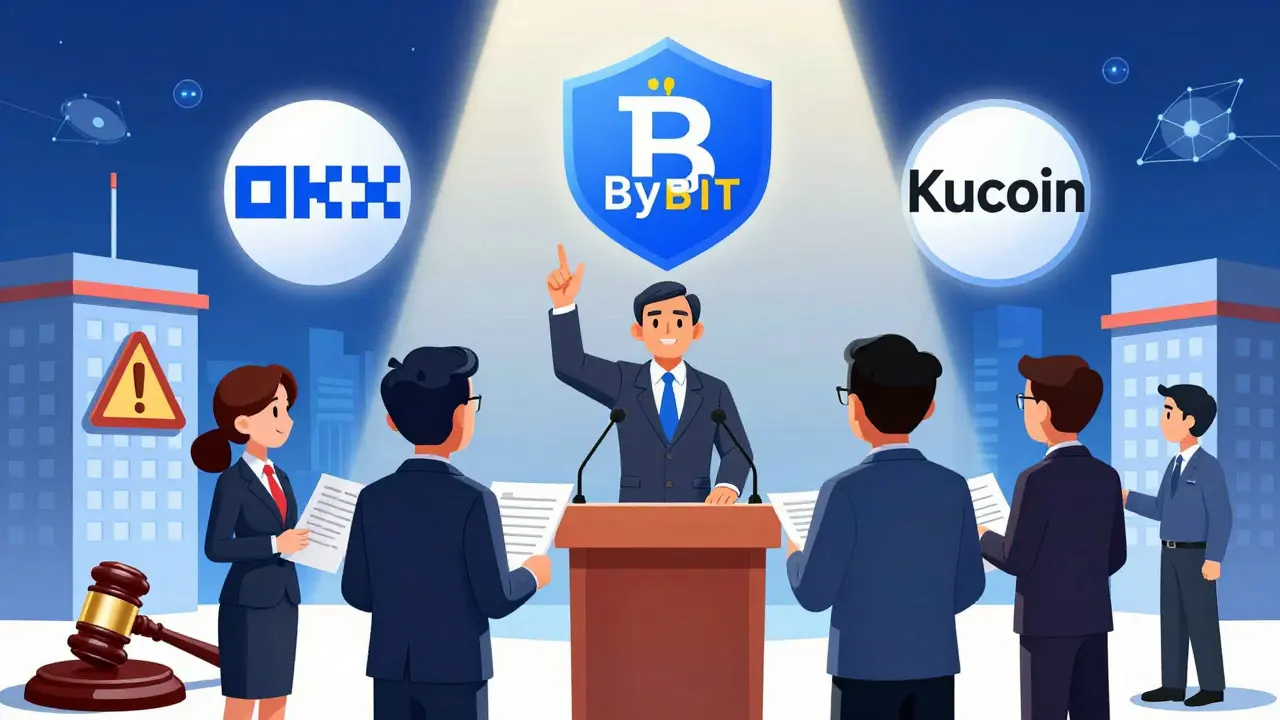
The Shift in Philippine Crypto Regulation
The Securities and Exchange Commission (SEC) of the Philippines has taken decisive action to clean up the local cryptocurrency market. Back in May 2025, regulators introduced strict rules designed to protect everyday investors after seeing global failures like FTX. By August 2025, the enforcement began in earnest. If you are using a crypto platform in the Philippines right now, these moves affect your ability to trade and withdraw money.
The government is no longer watching quietly. They are actively targeting unregistered exchanges. We saw this happen with Binance, which was forced to leave the market in late 2024. Now, similar pressure is falling on platforms like OKX, Bybit, and KuCoin. The goal isn’t to stop people from owning crypto, but to ensure the platforms handling that money follow the law.
Understanding the CASP Framework
The Crypto-Asset Service Provider (CASP) framework is the regulatory backbone established under SEC Memorandum Circular No. 4 and No. 5 of 2025. These rules require any company offering crypto services to Filipinos to register locally. It means setting up a physical office, having paid-up capital of 100 million Philippine pesos, and keeping customer funds separate from company funds.
- Minimum capital: 100 million PHP (approx. $1.8 million USD)
- Status: Must incorporate as a domestic corporation
- Requirement: Monthly financial reporting to PhiliFintech
- Security: 99.5% uptime and cold storage for 95% of assets
This separation of funds is critical. When exchanges like Celsius collapsed earlier, customers lost everything because their deposits were mixed with company risk. The SEC wants to ensure that doesn’t happen again here. You cannot simply operate a website and claim to serve Filipino users without going through this registration process.
Exchanges Facing Enforcement Action
In August 2025, the SEC named ten major global exchanges operating without authorization. These include popular names you might recognize from trading apps worldwide. The regulatory body issued a public advisory listing OKX, Bybit, KuCoin, Kraken, LBank, and CoinW. These platforms received a warning to register or face consequences.
Consequences move quickly. The SEC coordinates with the National Telecommunications Commission (NTC) to block access to non-compliant sites. Internet service providers cut off traffic to these domains. Additionally, app store requests are filed to remove mobile applications. If you rely on these platforms for daily transactions, this creates immediate friction in your workflow.
Fines and Legal Risks
Ignoring the CASP rules comes with a heavy price tag. Violators face initial fines ranging from 50,000 to 10 million PHP per violation. That’s roughly $900 to $180,000 USD depending on the severity. But it gets worse if the behavior continues. Daily penalties add another 10,000 PHP for every day you stay non-compliant. Criminal liability is also on the table, carrying potential prison sentences of up to five years under the Securities Regulation Code.
For business owners, this changes the math significantly. Small operations found it difficult to meet the 100 million PHP capital requirement. Industry analysts estimate that fewer than 5% of existing platforms met the full standards as of late 2025. This effectively raises the barrier to entry, favoring large, institutional players over small startups.
How to Register as a CASP
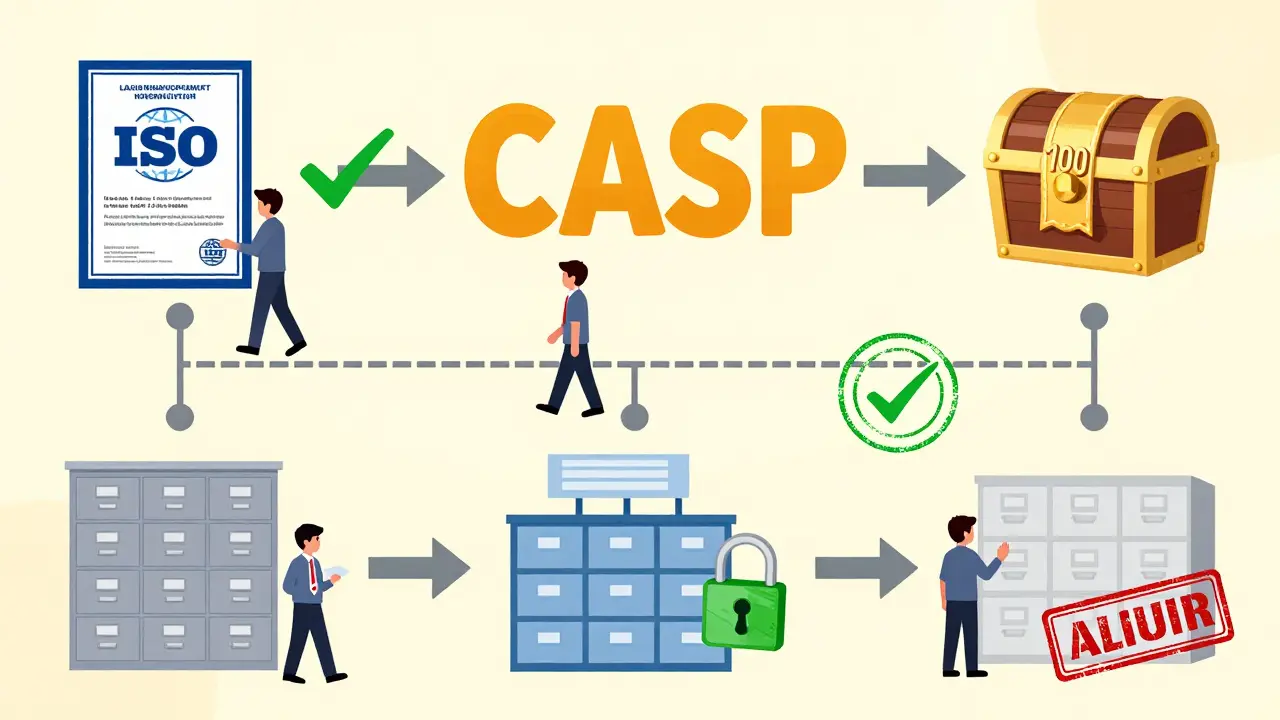
If you run a crypto business wanting to remain legal, you have a clear path forward. Applications are processed through the PhiliFintech Innovation Office. The registration portal accepts documentation including business plans, cybersecurity protocols, and proof of capitalization. Processing takes about 30 business days once documents are complete.
- Gather organizational structure and risk management docs
- Secure ISO 27001 certification for cybersecurity
- Submit proof of 100 million PHP capitalization
- Await approval from the Enforcement and Investor Protection Department
Registration costs are tied to revenue. There is a fee set at 0.05% of gross revenue. These fees fund the Crypto-Asset Investor Compensation Fund, which launched in Q1 2026. This fund aims to provide some recourse for investors if a licensed provider fails.
Impact on Retail Users
You might wonder how this affects ordinary people buying Bitcoin or sending remittances. Most Filipino users (about 68%) use crypto for remittances rather than speculative trading. The SEC explicitly stated that trading is not banned. However, if your chosen exchange is blocked, you lose easy access.
Users reported during the Binance exit that 78% managed to withdraw within the 90-day window. However, 12% faced verification issues. This suggests you should check your withdrawal limits now while platforms are still accessible. If an exchange receives a blocking order from the NTC, you might find yourself locked out until they resolve compliance or close down.
Decentralized finance (DeFi) remains a gray area. The rules currently exclude DeFi protocols from direct registration but prohibit CASPs from offering yield products over 20% annual percentage yield without extra approval. Peer-to-peer trading is monitored closely, especially for amounts exceeding 50,000 PHP.
Future Outlook for 2026
Looking ahead to late 2026, regulators plan to expand oversight into smart contract risks. Commissioner Maria Lourdes Limgenco noted that liquidity pool vulnerabilities will be addressed next. This signals that the current phase focuses on intermediaries (exchanges), while future phases may touch direct protocol interactions.
Market stability is projected to improve despite short-term volume drops. Fitch Ratings forecasts a reduction in transaction volume initially, but lower volatility long-term. As of early 2026, the crackdown has successfully pushed fraud reports down by two-thirds compared to previous years, according to police cybercrime divisions.
Is cryptocurrency illegal in the Philippines?
No, owning or trading crypto is not illegal. However, using unregistered exchange platforms violates the CASP framework established in 2025.
Will my account get frozen on Binance or Bybit?
These platforms are targets for enforcement. While accounts aren’t frozen automatically, site blocks via ISPs may prevent access.
Do I need to register to buy crypto personally?
Individual users do not register. Only companies providing crypto services need to become a CASP.
What happens if I keep using banned exchanges?
You may lose access through internet blacklists and app stores. You also lose protection under the investor compensation fund.
When did these enforcement actions start?
Major enforcement began in August 2025, following regulations passed in May 2025.
I am glad everyone gets how serious the capital requirement is though.
This feels like it is coming down harder than expected for small players. 😬 The capital is high. People need to be ready.
My heart races when I read this kind of news about freezing assets. It is scary to think about losing access to our own savings overnight. The whole system feels fragile despite what they say. I hope the government provides better notification before blocking sites again. My friend tried to withdraw last week and faced issues. We need more transparency about these enforcement timelines clearly. It creates so much stress for normal families relying on remittances. Just imagine not being able to send money home during a crisis. The uncertainty is unbearable honestly. I keep checking my apps every hour just in case. Nothing is safe until the law stabilizes completely. Please let us know if your accounts stay open. This situation is really getting out of hand fast.
yah true man 😂 but they always get banned eventually lol crypto is hard 💀 but i trust the process 🚀😎
wait the fines are huge bro 🔥 180k is nothing for big guys tho 💸 dont worry too much fam 😊
The geopolitical implications here are staggering and largely overlooked by casual observers in the market. Regulatory frameworks often serve as proxies for broader economic alignment strategies rather than genuine consumer protection measures alone. We see similar patterns emerging across Southeast Asia where local currency control remains the primary objective of state actors involved. The imposition of domestic incorporation requirements effectively nationalizes the crypto service provider infrastructure operating within jurisdictional boundaries. This prevents capital flight during periods of extreme volatility which could otherwise destabilize local banking reserves significantly. International exchanges that ignore these mandates face immediate exclusionary tactics including telecommunications blacklisting and app store removal mechanisms. Such coordinated pressure campaigns demonstrate a sophisticated understanding of digital choke points utilized by modern security apparatuses globally. The financial penalties imposed are designed to dissuade even well-capitalized foreign entities from attempting unauthorized operations within the region. Compliance costs are intentionally prohibitive to filter out smaller competitors who cannot sustain legal overhead expenses indefinitely. Ultimately this policy shift aligns domestic fintech ecosystems with state surveillance capabilities more closely than previous iterations allowed for previously. Investors must recognize that the era of offshore arbitrage opportunities has largely concluded for this sector specifically. We anticipate further restrictions on stablecoin liquidity pools given the current momentum behind centralized oversight protocols implemented recently. Market participants ignoring these signals will find themselves locked out of critical onramps and offramps for traditional finance integration. The strategic timing coincides with global macroeconomic shifts favoring sovereign digital currencies over decentralized alternatives proposed by libertarian thinkers. This consolidation of power ensures that monetary policy transmission mechanisms remain intact regardless of blockchain technology adoption rates locally.
the CASP registration actually requires ISO 27001 for security certs. this helps prevent hacks on main servers. separation of funds means cold storage stays separate from hot wallets used daily. 100m PHP capital ensures solvency during bad market conditions. reporting monthly keeps data fresh for auditors reviewing compliance status regularly.
Regulatory capture is usually bad but sometimes strict rules protect the average citizen from fraudsters. This approach seems necessary given the history of scams targeting vulnerable populations here.
You sound like you don't understand the risk involved with unregulated markets :) Honestly most people lose money because they trust shady platforms without licenses. That is why these fines exist to keep the predators away from the little guys. I find it amusing when people claim crypto is free money while regulators clean house :). The lesson is clear about following laws regarding asset management services today. We should respect professional governance structures instead of gambling away life savings blindly. Compliance brings safety net features like insurance funds for when things inevitably go wrong. It is time to grow up as investors and accept realistic constraints placed on us. The alternative is total chaos where scammers operate freely without any accountability whatsoever.
I saw this info earler and its true abt the blockes. They really do stop the site accrss isp networks now. You can try vpn but it might flag ur account then too. Best to move to licenced exchange soonish please. Withdrawl limits arnt fun if u get stuck late. Hope everyone makes it throught the window before cutoff. Check yur kyc docs early before they vanish online forever.
It is heartbreaking to hear about verification issues blocking legitimate withdrawals. I understand the anxiety surrounding account accessibility during these transitions perfectly. Checking withdrawal limits now is definitely the safest proactive step anyone can take. We must remain calm while ensuring our personal finances stay secure throughout this process.
The west watches phillipines and laughs at theri new rules but its smarter long term. Our sovereignity matters mor e than some token value fluctuating wildly. If governement does not control money flow then how will tax collection work later? I think this is progress for nations who want dignity against global tech giants. Stop listening to crypto bros telling you freedom is king right now. Real economies require real controls to function properly without collapse risks. We are seeing the smartest strategy win over chaotic markets everywhere.
From a development perspective, standardization improves trust indices across international banking channels significantly. High compliance standards attract institutional capital inflows that stabilize market liquidity over time frames. This environment supports sustainable growth trajectories for local entrepreneurs willing to invest in infrastructure upgrades required legally. We observe similar success stories in regions prioritizing robust fintech governance frameworks previously established elsewhere globally. Collaboration between tech innovators and regulators ensures long-term viability of digital asset ecosystems.
Government never stops finding new ways to extract revenue from citizens through bureaucratic red tape and meaningless paperwork submissions. The cost of doing business keeps climbing while actual economic output stagnates beneath layers of unnecessary regulation slowing everything down massively. Small businesses struggle to survive these capital thresholds designed explicitly to eliminate competition from major incumbents already entrenched deeply. Criminal penalties add fear tactics to force compliance without addressing underlying systemic corruption prevalent within existing financial institutions operating locally. People should realize this agenda targets individual freedom more than protecting investors genuinely harmed by fraud schemes historically. Daily penalties accumulate faster than profits making survival nearly impossible for startups trying to compete fairly in open markets today.
Perhaps we can view this as an opportunity for cleaner markets in the future. Change is hard but necessary sometimes for better outcomes overall. Let us support those adapting to the new norms constructively instead of fighting futilely.
They are tracking all transactions now through mandatory reporting systems obviously. NTC blocks are just part of a larger grid monitoring initiative launched quietly months ago. Do not trust public warnings entirely because internal orders exist already hidden. Digital surveillance expands daily under guise of investor protection laws passed recently.
Just wanted to mention that DeFi is still grey area technically. Keep yield under 20 percent or else it triggers extra approvals automatically. Most folks forget that detail when chasing high returns quickly online.
How quaint that regulators believe paper certificates solve digital problems effectively. The presumption of innocence disappears once enforcement begins against non-compliant operators swiftly. One wonders if the compensation fund covers losses sustained due to poor platform execution decisions originally. Legal liability extensions are merely tools for extracting wealth from innovative sectors disrupting traditional finance. True experts know centralized controls fail eventually regardless of how many pages of legislation fill shelves. Sarcasm aside the reality is harsher than these optimistic projections suggest realistically.
Listen up folks the game changed drastically with these new fines in place now. Those ten exchanges got listed because they ignored warnings sent earlier repeatedly. Blockage happens fast so move funds if you haven't yet. Smart money moves early while idiots argue about theory online. The barrier to entry kills small players instantly leaving giants standing tall. Adaptation is key for survival in this new regulated landscape emerging globally.
While the regulations impose significant operational burdens on service providers they also establish clearer expectations for operational conduct. Maintaining adequate capital reserves protects consumer interests against insolvency events triggered by reckless corporate behavior patterns observed historically. Regular reporting cycles facilitate better oversight capabilities allowing authorities to intervene before catastrophic failures occur inevitably. Although compliance costs rise initially market confidence typically rebounds following stabilization periods post-enforcement actions taken decisively. Long term sustainability depends heavily on adherence to these structural safeguards designed by experienced policymakers worldwide today.
Oh look another layer of bureaucracy pretending to help us all 😇. They say security but it really means control over your data everywhere you click. Expect privacy violations to increase under the guise of anti-fraud investigations soon enough. Who benefits most from knowing your transaction history at all times anyway? Probably not the average user struggling to pay bills honestly. Enjoy the safety nets while they collect your biometrics quietly in background processes. 🙄
Historically every financial revolution met with stiff resistance from established powers seeking preservation of status quo dynamics naturally. Philosophy suggests that freedom and security exist on opposing spectrums requiring constant negotiation balancing acts. We observe this tension playing out vividly within developing markets embracing new technologies rapidly. The outcome remains uncertain yet the trajectory points toward increased centralization of digital assets. Ethical considerations regarding access versus control dominate discourse surrounding these legislative frameworks globally now.
Why do people keep trusting these sketchy platforms when the evidence is this clear now? It takes emotional maturity to cut ties before total loss occurs tragically. Your feelings about missed profits won't bring back stolen principal unfortunately later. Take responsibility for poor choices made instead of blaming regulators unfairly constantly.
Excellent summary of the situation here. Everyone should read this thoroughly. The timeline is important. Stay updated.
The analysis shows volume drops initially but long term stability follows compliance waves consistently. Fraud reduction metrics confirm the crackdown worked according to police reports released recently. Friendlier markets emerge when bad actors get removed efficiently from the ecosystem completely. Let us focus on positive outcomes driven by these stricter enforcement policies now in place. Community resilience grows when trust is restored through verified licensing procedures officially approved.
Focus on learning the rules. Register if you offer services. Personal holding needs no license. Follow the CASP guidelines strictly.
Agreed that capital requirements act as a filter for quality assurance essentially.
Keep pushing forward with patience while adjustments happen organically over time.