
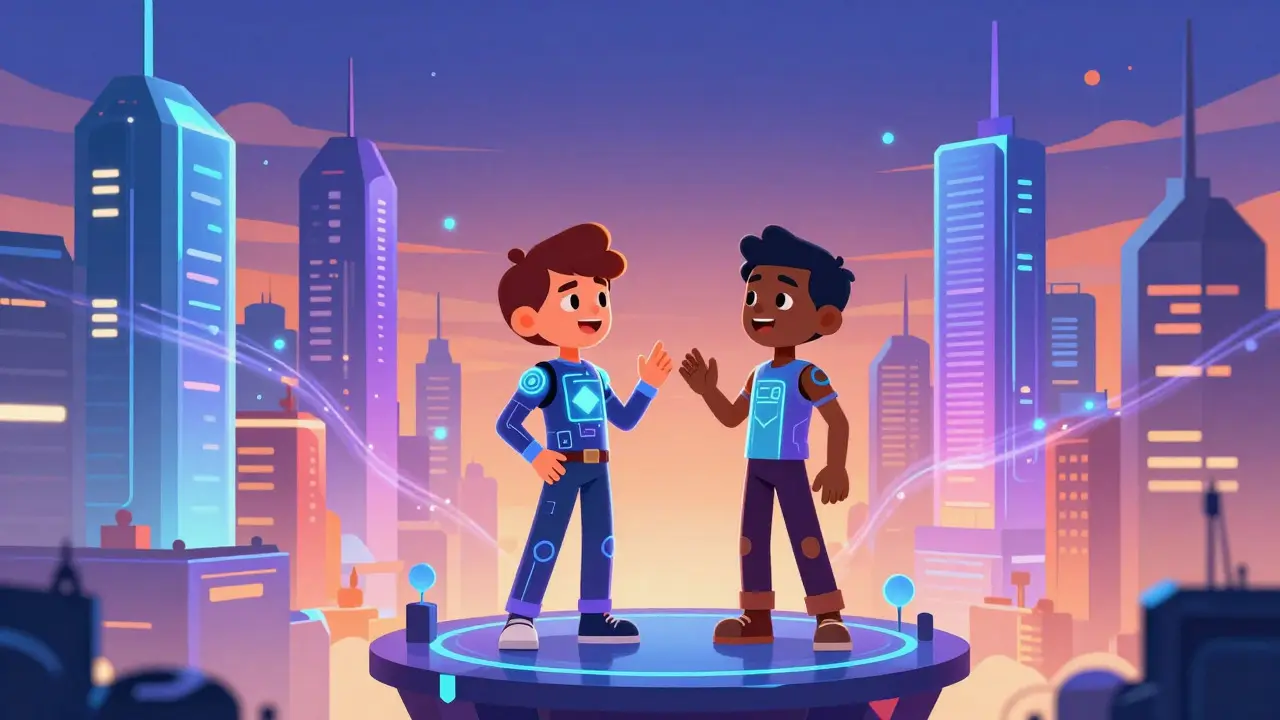
Imagine walking into a virtual room where your avatar isn't just a profile picture but an asset you actually own. In the blockchain metaverse is a decentralized network of persistent 3D environments where users interact via NFT-backed avatars and transact using cryptocurrency, that is exactly how it works. Unlike traditional social media where a company owns your data and can ban you at any moment, these platforms give you sovereignty over your digital identity. You don't just visit these worlds; you inhabit them, trade within them, and build relationships that survive beyond any single app's lifespan.
This shift changes the fundamental nature of online connection. It moves from passive scrolling to active presence. Whether you are a developer looking for new markets, a gamer seeking economic opportunity, or a remote worker wanting better collaboration tools, understanding how social dynamics function in this space is critical. The technology is maturing fast, with improved graphics and lower barriers to entry making it more accessible than ever before.
Key Takeaways
- Ownership defines identity: Your avatar and assets are backed by NFTs, meaning they remain yours even if you switch platforms.
- Economic integration is native: Social interactions often involve direct value exchange through play-to-earn mechanics or virtual goods trading.
- Interoperability is the goal: The ultimate aim is moving seamlessly between different virtual worlds without losing progress or assets.
- Decentralization reduces censorship: Community-governed spaces offer more freedom of expression compared to centralized social networks.
- Technical barriers still exist: Managing wallets and understanding gas fees remains a hurdle for mainstream adoption.
The Core Mechanics of Virtual Connection
At its heart, social interaction in the blockchain metaverse relies on three pillars: avatars, spaces, and economy. Traditional platforms use static images or video feeds. Here, you use a 3D representation of yourself. This isn't just cosmetic. Because these avatars are often minted as non-fungible tokens (NFTs), they carry unique metadata and provable scarcity. If you buy a limited-edition skin for your character, no one else can have the exact same item unless the contract allows for duplicates. This creates a layer of status and personal expression that feels tangible.
The spaces themselves are persistent. When you log off, the world doesn't reset. If you leave a chair in a virtual lobby, it stays there when you return next week. This persistence fosters long-term community building. People start to recognize regulars, establish territories, and create shared histories. It’s similar to how local hangouts work in real life, but scaled globally and without geographical limits.
Then there is the economic layer. In conventional social media, monetization is usually done *to* the user through ads. In the blockchain metaverse, monetization is often *by* the user. You might earn tokens by hosting an event, creating art, or simply participating in games. This transforms socializing from a leisure activity into a potential income stream, which significantly increases engagement levels.
How Decentralization Changes Social Dynamics
Centralized platforms operate like gated communities. The property owner decides who gets in, what rules apply, and when the lights go out. In a decentralized environment, the "property" is owned by the community or operates on open protocols. This has profound implications for social safety and freedom.
First, data privacy improves. Since your identity is tied to your wallet address rather than a phone number or email linked to a corporate database, you have more control over what information is shared. Second, moderation becomes a community effort. Instead of a single team of moderators deciding what is acceptable, governance tokens allow holders to vote on rules. This can lead to more nuanced and fairer outcomes, though it also introduces complexity in decision-making processes.
However, decentralization isn't perfect. It requires trust in the code and the community. If a smart contract has a bug, or if a community vote goes against your interests, recourse is limited. But for many users, the trade-off is worth it for the sake of autonomy. You are less likely to be arbitrarily banned for posting something controversial, provided you follow the established on-chain rules.

Building Communities in Virtual Spaces
Community formation in the metaverse follows patterns similar to physical neighborhoods, but accelerated. Discord servers and Telegram groups often serve as the "front porch" where initial connections happen before users meet in the 3D space. These text-based channels help newcomers navigate the technical setup, such as connecting their digital wallets and buying land or assets.
Once inside the virtual world, social bonding happens through shared activities. Think of virtual concerts, art galleries, or collaborative game sessions. These events act as icebreakers. When you attend a virtual fashion show hosted by a designer, you aren't just watching; you're standing in the crowd, chatting with other attendees, and potentially buying the clothes you see. This multi-sensory experience creates stronger emotional connections than clicking "like" on a photo.
Businesses are quickly realizing the power of these gatherings. Brands host launch parties, educational institutions run virtual campuses, and companies hold remote team-building exercises. The key advantage is accessibility. A person in Hobart, Australia, can stand shoulder-to-shoulder with someone in Tokyo or New York, experiencing the same event simultaneously without travel costs or visa hurdles.
Navigating the Technical Hurdles
Let’s be honest: the onboarding process can feel clunky. To participate fully, you need a few things ready:
- A Crypto Wallet: Tools like MetaMask or Phantom are essential for storing tokens and signing transactions.
- Cryptocurrency: You’ll need some ETH, SOL, or other native tokens to pay for transaction fees (gas) and purchases.
- VR Hardware (Optional): While many platforms work on desktop browsers, headsets like the Meta Quest provide deeper immersion.
The biggest friction point for most users is the concept of gas fees. In high-traffic periods, transferring a small amount of money or interacting with a smart contract can cost more than expected. This unpredictability can discourage casual users. Additionally, the fear of losing funds due to a lost private key or a phishing scam keeps many people on the sidelines.
To mitigate these issues, look for platforms that offer "gasless" transactions or sponsored fee structures for new users. Also, start with low-stakes interactions. Don’t invest heavily until you understand the platform's specific mechanics. Joining active community forums can provide invaluable tips on avoiding common pitfalls.
Comparing Blockchain Metaverse to Traditional Social Media
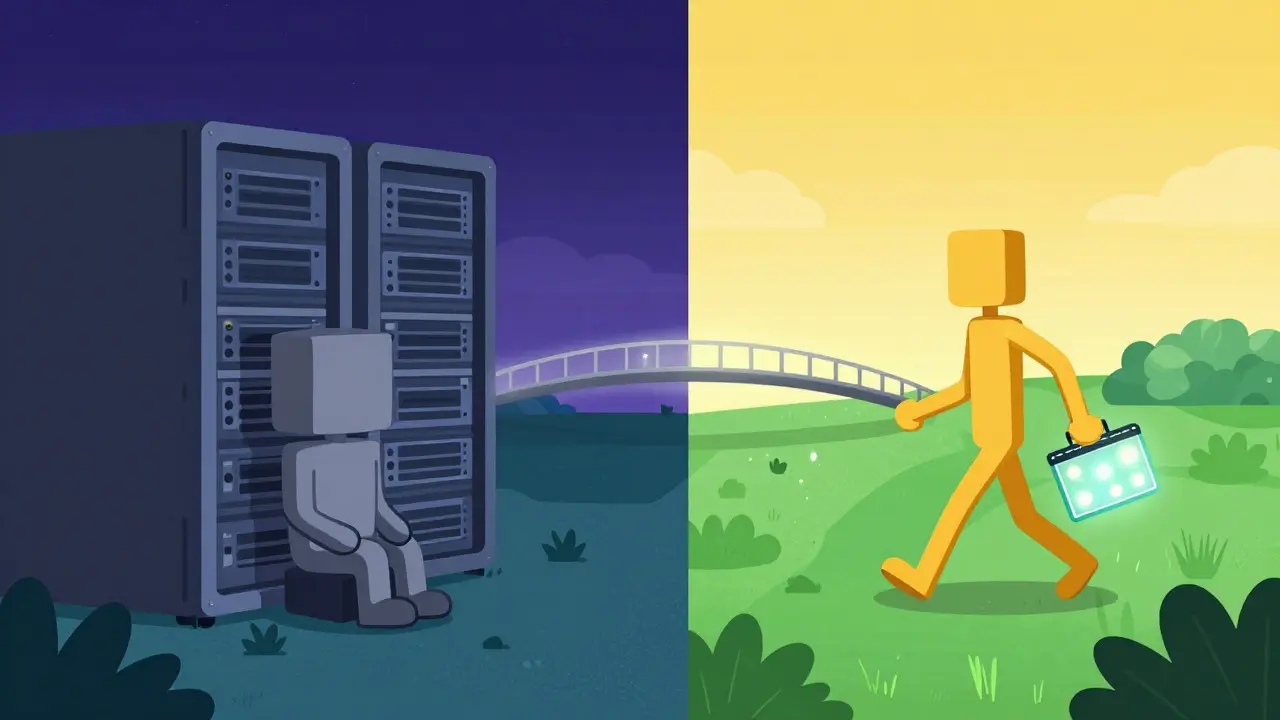
Understanding the differences helps set realistic expectations. Here is how the two models stack up against each other in terms of user experience and control.
| Feature | Traditional Social Media | Blockchain Metaverse |
|---|---|---|
| Identity Ownership | Owned by the platform company | Owned by the user via NFT/Wallet |
| Data Privacy | Data sold to advertisers | Pseudonymous, user-controlled |
| Moderation | Centralized team decisions | Community governance/voting |
| Asset Portability | Locked within the app | Interoperable across compatible platforms |
| Monetization | Ads, subscriptions | User-generated economies, P2E |
Future Trends and Opportunities
Where is this heading? Several trends are shaping the next phase of development. First, interoperability is becoming a reality. Standards are being developed that allow your avatar to move from one game to another while keeping its accessories. This means your investment in your digital self becomes more valuable over time, not fragmented across isolated silos.
Second, Artificial Intelligence is playing a huge role. AI-driven NPCs (non-player characters) are becoming smarter, providing companionship and guidance to new users. AI is also used for moderation, helping to detect spam or toxic behavior automatically, which was previously a manual nightmare for developers.
Finally, enterprise adoption is accelerating. Companies are using metaverse platforms for training simulations, virtual conferences, and creative design workshops. This B2B growth provides stable revenue streams that support the ecosystem, reducing reliance on speculative crypto prices. For individuals, this means more job opportunities in virtual world management, 3D design, and community leadership.
Frequently Asked Questions
Do I need VR hardware to join a blockchain metaverse?
No, it is not strictly required. Many major platforms are web-based and can be accessed through a standard browser on a computer or mobile device. However, using a VR headset like the Meta Quest or HTC Vive provides a much more immersive experience, especially for social interactions involving spatial audio and body language.
How do I keep my assets safe in the metaverse?
Security starts with your wallet. Use a reputable hardware wallet for large holdings, enable two-factor authentication on your email accounts, and never share your seed phrase. Be cautious of phishing links in Discord or Telegram, as scams are common. Only connect your wallet to official, verified websites.
Is the blockchain metaverse only for gamers?
Not at all. While gaming is a popular entry point, the metaverse includes professional networking hubs, virtual real estate for businesses, art galleries, and educational institutions. Anyone interested in digital ownership, remote collaboration, or creative expression can find value in these spaces.
What are gas fees, and how do they affect socializing?
Gas fees are the transaction costs paid to the blockchain network to process actions like buying an item or moving an avatar. High fees can make frequent, small interactions expensive. Some platforms solve this by using Layer 2 solutions or allowing developers to sponsor the fees for users, making socializing feel free and instant.
Can I bring my existing social media followers into the metaverse?
Yes, many creators are bridging the gap by announcing their metaverse addresses on Twitter, Instagram, or LinkedIn. Some platforms are integrating directly with these networks, allowing you to import your follower list or link your profiles. This cross-platform connectivity is a major focus for mainstream adoption.