
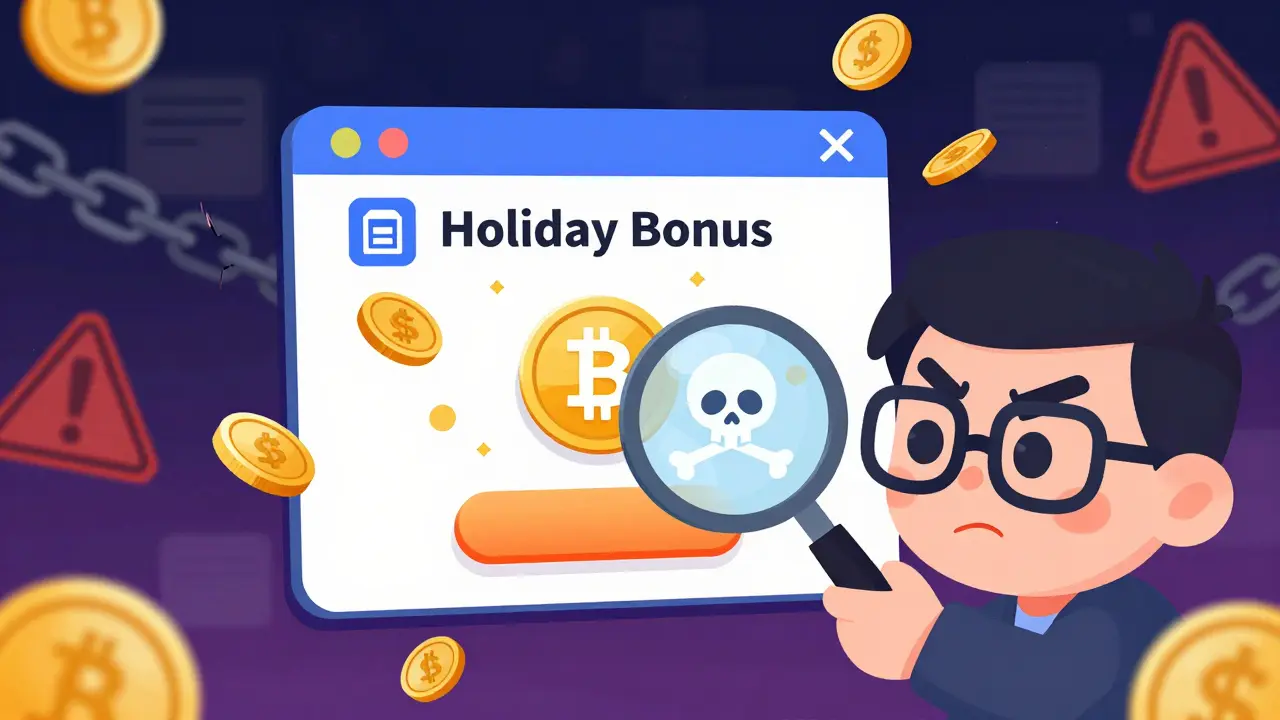
You’ve probably seen the pop-ups or heard the whispers on social media about the Sonar Holiday airdrop by an entity simply labeled "Unknown." The promise is tempting: free tokens, holiday bonuses, and easy money. But here is the hard truth that every seasoned crypto user knows-when a project has no name, no team, and no official website, it is not an opportunity. It is a trap.
In the fast-moving world of cryptocurrency, especially within high-activity ecosystems like Solana, scammers are constantly creating fake projects to steal your funds or personal data. The "Sonar Holiday airdrop" fits the exact profile of a malicious scheme designed to exploit FOMO (Fear Of Missing Out). This guide breaks down why this specific claim is dangerous, how these scams operate, and what you should actually be looking for if you want legitimate rewards in 2026.
The Red Flags of the "Unknown" Sonar Project
Let’s look at the facts. Legitimate blockchain projects do not hide their identity. They have whitepapers, GitHub repositories, verified Twitter accounts, and active communities on Discord or Telegram. When you see a label like "Unknown" attached to an airdrop, it means the creators are intentionally anonymous to avoid accountability.
| Feature | Legitimate Project (e.g., Magic Eden, Kamino) | Scam Signal (e.g., Sonar Holiday "Unknown") |
|---|---|---|
| Team Identity | Public profiles, LinkedIn links, known founders | Anonymous, "Unknown," or stolen photos |
| Smart Contract | Audited by firms like CertiK or Halborn | Unaudited, obfuscated code, or no contract link |
| Communication | Official website, verified social handles | DMs only, unverified Telegram groups, pop-up ads |
| Requirements | Simple interactions (swaps, provides liquidity) | Connect wallet to claim, send small fee first, private key entry |
If a project cannot tell you who they are, how can you trust them with your digital assets? The "Sonar Holiday" name sounds festive and appealing, but it lacks any technical backing. There is no record of a major protocol named "Sonar" launching a holiday-themed distribution in the Solana or Ethereum ecosystems during this period. This absence of verifiable history is your first warning sign.
How These Fake Airdrops Steal Your Money
You might think, "What’s the worst that could happen? I just connect my wallet." That is exactly what the scammers want you to think. The mechanics of these scams are sophisticated and rely on simple psychological triggers.
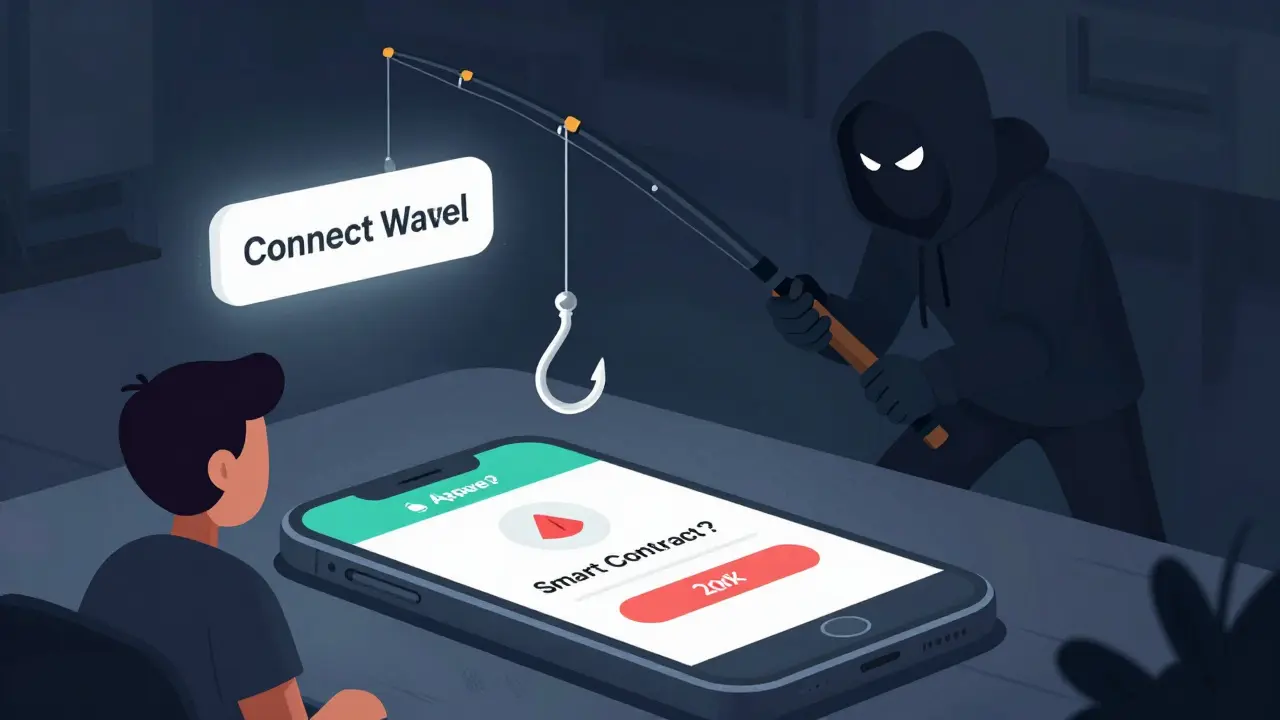
- The Bait: You see an ad or a message claiming you are eligible for a massive reward. The scarcity tactic ("Holiday Special!") pushes you to act quickly without thinking.
- The Hook: You are directed to a phishing site that looks professional. It asks you to connect your wallet (like Phantom or Solflare) to "claim" your tokens.
- The Trap: Once connected, the site may ask you to approve a transaction. This isn’t just a gas fee; it’s often a malicious smart contract approval that allows the scammer to drain all compatible tokens from your wallet.
- The Exit: In some cases, they might ask for a small "verification fee" in SOL or USDC. Once you send it, the site disappears, and you get nothing.
These attacks don’t require hacking your password. They exploit the permissions you grant when interacting with decentralized applications (dApps). One wrong click on a fake "Sonar Holiday" page can wipe out months of savings.
Real Solana Airdrops: What Legitimacy Looks Like
To understand why the "Unknown" Sonar project is fake, compare it to real events in the ecosystem. The Solana network has seen significant growth, with SOL trading robustly and numerous successful distributions. Projects like Magic Eden (ME), Pudgy Penguins (PENGU), and Doodles (DOOD) executed large-scale, transparent airdrops in late 2024 and early 2025.
These legitimate projects shared common traits:
- Clear Eligibility Criteria: Users knew exactly what actions qualified them (e.g., minting NFTs, providing liquidity).
- Public Timelines: Dates were announced weeks in advance via official channels.
- Community Verification: Thousands of users discussed the details on Reddit, Twitter, and Discord before claiming.
Even anticipated projects like Grass, Drift, and Kamino have clear roadmaps and active development teams. If a project doesn’t appear on reputable tracking sites like Airdrop.io or CoinMarketCap’s airdrop section, treat it with extreme skepticism.
Protecting Yourself in 2026: Essential Security Habits
The crypto landscape in 2026 is more secure than ever, but scams evolve alongside technology. Here is how you stay safe while still participating in legitimate opportunities.
1. Use a Burner Wallet
Never connect your main holding wallet to new or unverified dApps. Create a separate "burner" wallet with minimal funds. If you suspect an airdrop is legit, use the burner wallet to interact. If it turns out to be a scam, your main assets remain untouched.
2. Verify Smart Contracts
Before signing any transaction, check the contract address. Legitimate projects list their verified contracts on block explorers like Solscan or Etherscan. If the code is unreadable or the contract is not verified, walk away. Tools like Revoke.cash can help you manage and revoke suspicious approvals regularly.
3. Ignore DMs and Unsolicited Links
Support teams from major projects will never DM you first. If someone messages you on Twitter, Telegram, or Discord about a "Sonar Holiday" bonus, block them immediately. These are automated bots designed to cast a wide net.
4. Check Multiple Sources
If you hear about an airdrop, search for it across multiple platforms. Look for announcements on the project’s official website, not just third-party blogs or social media posts. If the only source is a shady Telegram group, it’s a scam.
Why "Holiday" Themes Are Popular in Scams
Scammers love using seasonal themes like "Holiday," "Christmas," or "New Year" because they create a sense of urgency and joy. People are more relaxed and less vigilant during festive periods. By attaching a positive emotion to a financial offer, scammers lower your defenses. The "Sonar Holiday" name is likely chosen to blend in with genuine seasonal promotions from other brands, making it harder to spot as fake.
Remember, legitimate companies don’t need to rush you. They provide ample time for verification and questions. If an offer feels too good to be true, or if it pressures you to act instantly, it is almost certainly a fraud.
What To Do If You’ve Already Interacted
If you accidentally connected your wallet to a suspicious "Sonar Holiday" site, act immediately:
- Disconnect the Wallet: Go to your wallet settings and disconnect the session.
- Revoke Approvals: Use a tool like Revoke.cash to remove any token allowances granted to the unknown contract.
- Transfer Funds: Move any remaining assets to a new, clean wallet.
- Monitor Activity: Keep an eye on your transaction history for any unauthorized movements.
While you can’t recover stolen funds, quick action can prevent further damage. Reporting the scam to relevant authorities and warning others in community forums helps protect the broader ecosystem.
The Future of Airdrops: Quality Over Quantity
As we move through 2026, the focus is shifting from speculative, low-effort airdrops to meaningful participation. Projects are rewarding users who contribute to network security, liquidity, and governance. Instead of chasing ghost projects like "Sonar Holiday," consider engaging with established protocols that offer staking rewards, yield farming, or governance tokens. These opportunities provide sustainable value and reduce risk.
The crypto space thrives on innovation and community trust. By staying informed and cautious, you protect not only your own investments but also the integrity of the networks you support. Don’t let a fake holiday bonus ruin your year. Stick to verified projects, keep your security tight, and enjoy the benefits of blockchain technology safely.
Is the Sonar Holiday airdrop real?
No, there is no credible evidence of a legitimate "Sonar Holiday airdrop" by an "Unknown" entity. It exhibits all the signs of a scam, including anonymity, lack of official documentation, and unsolicited promotion. Always verify projects through official channels before participating.
How can I identify a fake crypto airdrop?
Look for red flags such as anonymous teams, unaudited smart contracts, pressure to act quickly, and requests for upfront fees or private keys. Legitimate airdrops have public information, verified social media presence, and clear eligibility criteria.
What are some legitimate Solana airdrops in 2025-2026?
Recent legitimate distributions include Magic Eden (ME), Pudgy Penguins (PENGU), and Doodles (DOOD). Upcoming or anticipated projects often include well-known names like Grass, Drift, and Kamino, which have transparent roadmaps and active communities.
Should I connect my main wallet to claim an airdrop?
Never connect your main holding wallet to unverified or new dApps. Use a separate "burner" wallet with minimal funds to minimize risk. If the project is legitimate, you can transfer claimed tokens to your main wallet later.
What should I do if I accidentally interacted with a scam site?
Immediately disconnect your wallet, revoke any token approvals using tools like Revoke.cash, and transfer your remaining funds to a new, secure wallet. Monitor your transaction history for unauthorized activity and report the incident to relevant authorities.