
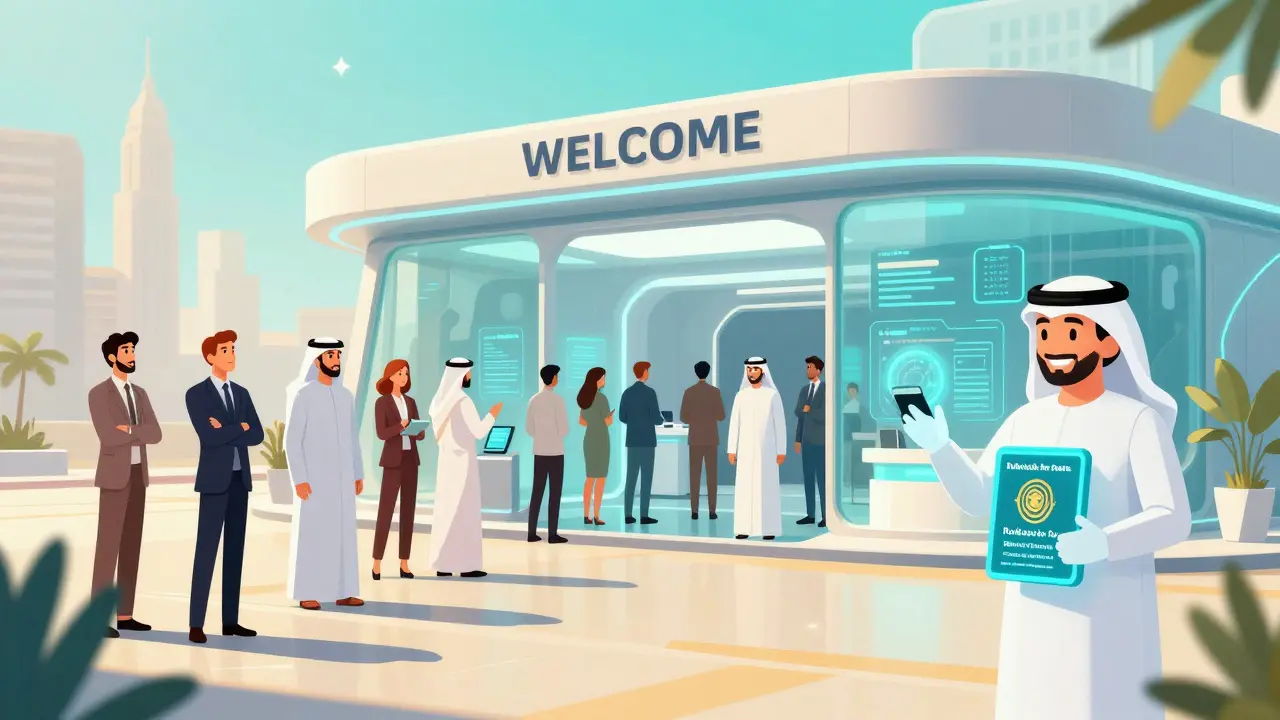
The secret to their success is a multi-layered approach. Instead of one giant, slow government agency, the UAE uses specialized regulators. You have the Virtual Assets Regulatory Authority is a bespoke regulator in Dubai created in 2022 to oversee the entire virtual asset lifecycle, from exchange services to token issuance. Also known as VARA, it provides a level of specificity that you won't find in most Western jurisdictions. Then you have the Financial Services Regulatory Authority is the body supervising Abu Dhabi Global Market (ADGM), focusing on institutional-grade digital asset frameworks. Commonly referred to as FSRA, it caters more to the traditional finance crowd moving into crypto. This setup means a startup and a hedge fund can both find a regulatory home that fits their specific scale and risk profile.
Navigating the Licensing Maze
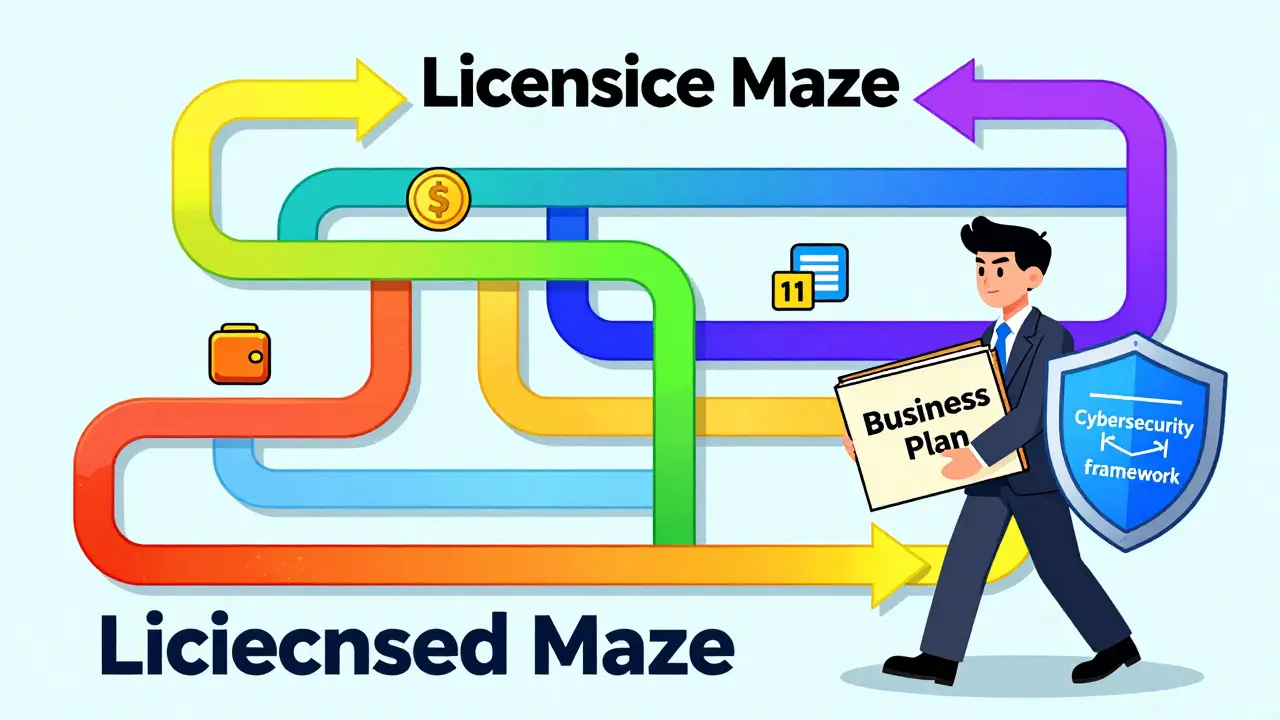
Getting a license in the UAE isn't as simple as filling out a web form, but it is transparent. Depending on what you're actually doing-whether you're running a wallet or minting tokens-your requirements will change. For those operating under VARA, the activities are split into six core categories. If you're acting as a broker-dealer, handling fiat-to-crypto trades, or providing custody services, you'll need a specific license for that activity.
Token issuance is where things get interesting. It's split into two tiers. Category 1 requires a full license and specific approval for the token itself. Category 2 is for those distributing tokens through another licensed entity. Some "closed-loop" tokens might even be exempt, but they still stay under the regulator's watchful eye. To get through the door, you'll need to prove you're a "fit and proper" person, provide a concrete business plan, and show you have a security framework that can actually withstand a modern cyberattack.
The Real Cost of Doing Business
Let's talk money. The UAE doesn't position itself as a "cheap" jurisdiction; it positions itself as a premium one. They want serious players who are invested in compliance. The financial barriers are clear, which is actually a relief for most founders.
| Expense Type | Cost Range (AED) | Approximate USD Value |
|---|---|---|
| Paid-up Capital | 100,000 - 1,500,000+ | $27,000 - $408,000+ |
| Application Fees | 40,000 - 100,000 | $11,000 - $27,000 |
| Annual Supervision Fees | 80,000 - 200,000 | $22,000 - $54,000 |
While these numbers might look steep for a two-person team in a garage, they are a drop in the bucket for institutional players like
Binance or Crypto.com, both of which have established a presence here. The trade-off is regulatory legitimacy. When you hold a UAE license, you aren't just "operating from" the region; you're validated by one of the world's most sophisticated financial regimes.
Taxation and the New CARF Rules
For years, the UAE was known as a tax haven. While that's still largely true for many, the world is changing. To keep the UAE from being labeled a "high-risk" jurisdiction by international bodies, they've introduced the
Crypto-Asset Reporting Framework is
a global standard for the automatic exchange of information on crypto-assets for tax purposes, implemented by the UAE Ministry of Finance.
Also known as CARF, it's the move from "wild west" to "transparent hub."
Here is the timeline you need to know: the framework became effective in late 2025, with final regulations landing in 2026. Actual implementation starts January 1, 2027. By 2028, the UAE will begin the automatic exchange of tax data with other countries. This means if you're an exchange or a custodian, you'll be collecting data on account balances, transaction histories, and residency status for your users.
However, there is a massive win for users and businesses: as of November 15, 2024, most virtual asset transactions are exempt from the standard 5% VAT. This significantly lowers the overhead for high-frequency traders and B2B service providers, making the actual act of trading much cheaper than in many European or Asian markets.
Why Institutional Money is Flocking to the UAE
It's not just about the lack of taxes. The UAE is betting big on
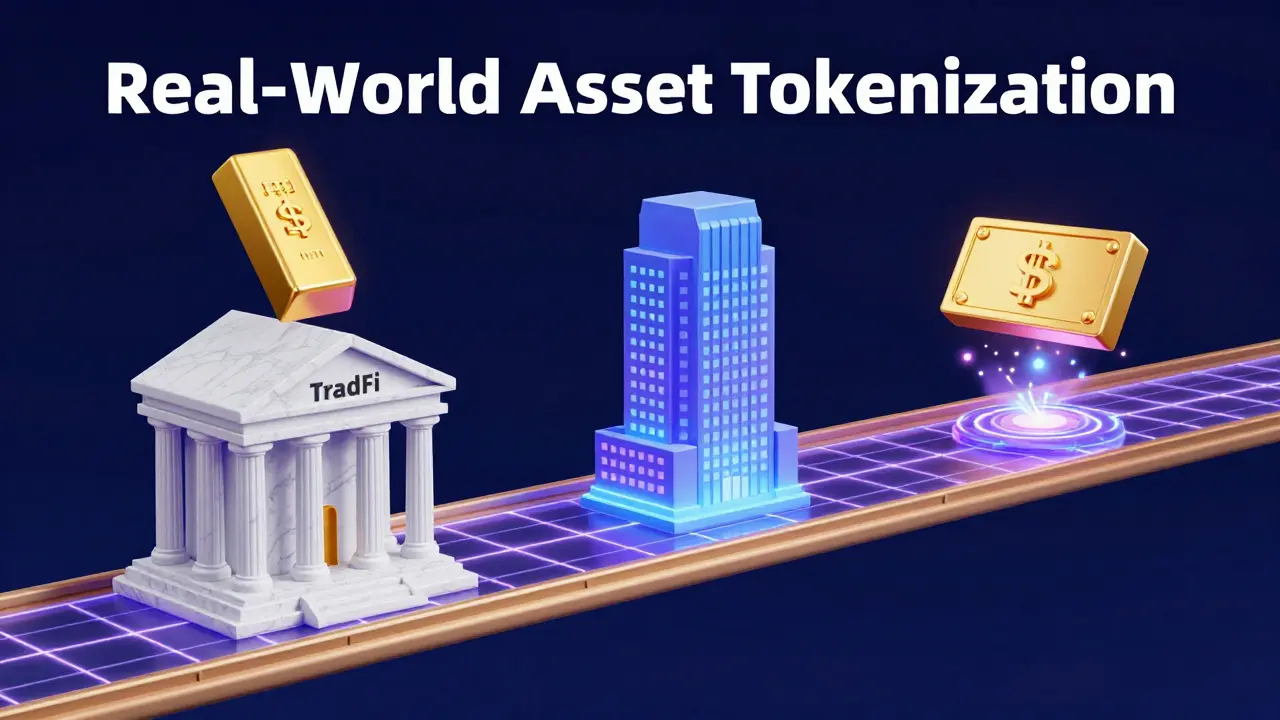
Real-World Asset Tokenization is
the process of converting rights to a physical asset, such as real estate or gold, into a digital token on a blockchain.
Often called RWA Tokenization, this is where the real money is moving.
Traditional finance (TradFi) is terrified of the volatility of meme coins, but they love the efficiency of blockchain. The UAE's regulators have built a bridge. By allowing institutional custodians like BitGo to operate with clear rules, they've created a safe space for banks to experiment with tokenizing property, commodities, and bonds. If you're a fund manager, you're not just looking for a place to trade Bitcoin; you're looking for a place where you can legally put $100 million of real estate on-chain without a regulator breathing down your neck with contradictory rules every Tuesday.
Common Pitfalls and How to Avoid Them
Despite the friendliness, the UAE is not a "lawless" zone. If you try to cut corners on
Anti-Money Laundering is
a set of laws and procedures designed to prevent the practice of generating income through illegal actions.
Also known as AML, these regulations are strictly enforced by the Securities and Commodities Authority (SCA).
A common mistake for newcomers is assuming that a license in one free zone gives them a blanket pass to operate everywhere. The UAE is a federation of seven emirates. A license from the Dubai Financial Services Authority (DFSA) works for the Dubai International Financial Centre, but it doesn't automatically grant you the right to target the broader Dubai mainland without VARA's oversight. You need to map your target audience first, then pick the jurisdiction. Don't just pick the one with the cheapest application fee; pick the one that matches your business model.
The Path Forward: What's Next?
The UAE's trajectory suggests they aren't slowing down. The shift toward the CARF reporting standards shows they are playing the long game-willing to sacrifice a bit of total anonymity to gain global legitimacy. This is a smart move. When the US or EU eventually creates a standardized global tax bridge, the UAE will already be a compatible port.
We're likely to see more "hybrid" financial products emerging here. Imagine a world where your corporate treasury is managed in a mix of AED and tokenized gold, all regulated by a single entity that understands both the ledger and the law. That's the vision the UAE is executing. Whether you're a Web3 developer or a traditional CFO, the region is offering a level of stability and foresight that is currently rare in the crypto world.
Is cryptocurrency legal in the UAE?
Yes, it is legal, but it is heavily regulated. You cannot simply run a crypto business without a license. Depending on your activity, you must be registered with authorities like VARA in Dubai, the FSRA in Abu Dhabi, or the federal SCA.
Do I have to pay tax on crypto gains in the UAE?
The UAE does not have a personal income tax, but it is implementing the Crypto-Asset Reporting Framework (CARF) to share data with other countries for tax transparency. Additionally, most virtual asset transactions are currently exempt from the 5% VAT.
What is the difference between VARA and the DFSA?
VARA (Virtual Assets Regulatory Authority) is a dedicated regulator for the entire emirate of Dubai. The DFSA (Dubai Financial Services Authority) only regulates the Dubai International Financial Centre (DIFC), a specific financial free zone. If you operate within the DIFC, you follow DFSA rules; if you operate in the broader Dubai market, you look to VARA.
How much capital do I need to start a crypto exchange in the UAE?
Paid-up capital requirements vary, but they generally range from AED 100,000 to over AED 1.5 million depending on the scale and type of license. This is in addition to application and annual supervision fees.
What is RWA tokenization and why is it big in the UAE?
Real-World Asset (RWA) tokenization is the process of putting physical assets (like gold or real estate) on a blockchain. The UAE is promoting this because it attracts institutional investors and banks who want the efficiency of blockchain without the volatility of speculative coins.
The integration of RWA tokenization within a bespoke regulatory framework is a textbook example of reducing systemic friction for institutional liquidity providers. It effectively mitigates the counterparty risk that usually plagues OTC desks when dealing with off-chain assets.
Oh sure, just pay a few hundred thousand dollars and suddenly you're a legitimate business owner. Truly the dream for every "garage startup" out there lol.
Funny how they're suddenly "transparent" with CARF just as the globalist agenda for a single digital currency picks up speed. It's all about tracking every cent you move so they can flip the switch on your assets whenever they feel like it. Typical centralized power play disguised as a "hub".
its kinda wild how we just accept this shift towrads total surveillance as progress, like maybe the real value of crypto was the anonymity we're now trading away for a fancy license in a desert city... though i guess the idea of tokenizing a building is a pretty trip if u think about it as a way to democratize ownership for peopel who can't afford whole skyscrapers, even if the gov is always watching the ledger now.
Why are we even talking about moving businesses to the middle east when the US should be the only place for this kind of innovation if we actually had the guts to lead instead of letting these other countries steal the spotlight with their fancy rulebooks while our own gov is just confused as hell about what a security even is and honestly its embarrassing to see us fall behind in the global race for digital dominance because of sheer incompetence at the top levels of government!!
This is actually a great roadmap for anyone wanting to scale up! It's all about finding that sweet spot between innovation and compliance.
The formatting of that cost table is absolutely abysmal, and the prose is far too optimistic about the actual ease of navigating a foreign bureaucracy. It is a travesty that we call this a guide!
Absolute game-changer! The energy in the UAE right now is electric, and they are practically paving a gold-plated road for Web3 entrepreneurs to thrive. Stop hesitating and start planning your move!
Let's keep the discussion focused on the regulatory merits here. The distinction between VARA and DFSA is critical for anyone avoiding legal pitfalls.
It seems like a stable path forward for those who can afford the entry fee.
I honestly think it's kind of a vibe that they just decided to make it work while everyone else is fighting. Like, imagine being so organized that you have a whole separate agency just for tokens. It's a bit much, but hey, who doesn't love a little structure in their life? I'm just saying, if you're not doing this, you're basically ignoring the future of money, which is kind of a moral failing if you want your kids to actually have a decent financial start in the new world order lol.
The CARF thing is just a front for a larger data-harvesting operation. They'll say its for taxes but its really about the social credit score implementation that's coming next. Its obvious if u just look at the timing of the 2027 rollout. Trust nothing.
The sheer audacity of the financial requirements is simply staggering! One must wonder if the regulatory certainty provided is truly commensurate with the exorbitant fees demanded by these authorities. It is an absolute tragedy that such a high barrier to entry exists for the aspiring innovator, effectively casting a shadow of exclusivity over the entire digital asset landscape of the region. Such a predicament is most distressing!