
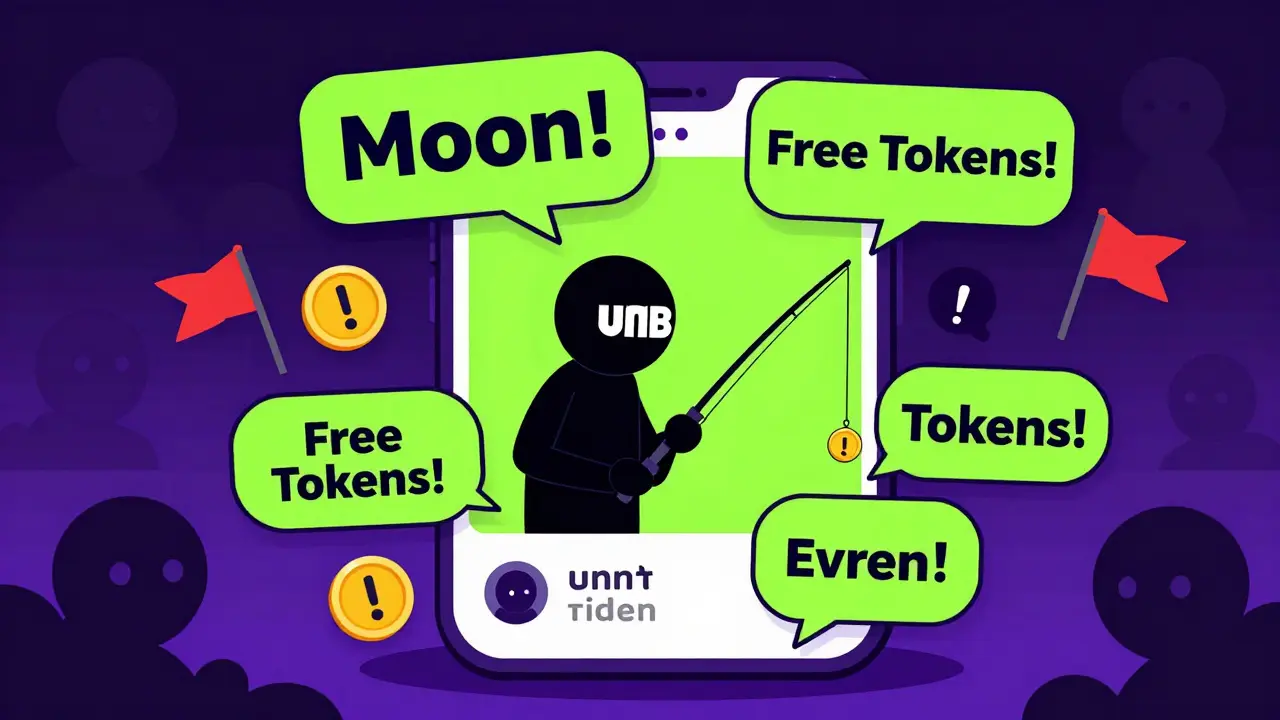
You’ve probably seen the buzz about the Unbound (UNB) NFT airdrop. Social media feeds are flooded with promises of free tokens, exclusive digital assets, and early access to a new ecosystem. But here is the hard truth: there is no credible, verified information from an official source confirming that a legitimate "Unbound" project is currently running a public airdrop for a token called UNB.
In the world of cryptocurrency, silence from official channels is usually louder than hype. When you cannot find a project on major data aggregators like CoinMarketCap or CoinGecko, and when their official website looks suspicious or non-existent, you are likely looking at a trap. This guide will help you understand why this specific opportunity raises red flags, how to spot similar scams, and what actually constitutes a safe airdrop in 2026.
The Red Flags of the Unbound (UNB) Claim
Let’s look at the evidence-or rather, the lack of it. If you search for "Unbound NFTs airdrop," you won’t find announcements from reputable news outlets like CoinDesk, The Block, or Decrypt. You also won’t find a verified presence on X (formerly Twitter) with substantial engagement from known industry figures. Instead, you’ll find generic posts, often from bot accounts, linking to unknown websites.
Here are the specific warning signs associated with the UNB claim:
- No Official Whitepaper: Legitimate projects publish detailed technical documents explaining their technology, tokenomics, and roadmap. The UNB project has no accessible, verifiable whitepaper.
- Suspicious Website Domains: Many links associated with "Unbound" lead to recently registered domains using cheap hosting providers. These sites often mimic the design of popular DeFi protocols to confuse users.
- Pressure to Act Fast: Scammers use urgency. Phrases like "Claim before midnight" or "Limited supply remaining" are designed to make you skip due diligence. Real projects give ample time for verification.
- Request for Private Keys: Any site asking for your seed phrase or private key is 100% a scam. Never enter these credentials anywhere.
The absence of these foundational elements means the "Unbound" airdrop is highly likely to be a phishing scheme designed to steal your existing crypto holdings or trick you into paying fees for nothing.
How Crypto Airdrop Scams Work in 2026
Scammers have evolved. They don’t just send fake emails anymore; they create elaborate ecosystems that look real. Understanding their playbook is your best defense.
First, they build hype. Bots flood social media with comments like "I already claimed mine!" or "This is going to moon." This creates a bandwagon effect, making you feel like you’re missing out on a huge opportunity. Then, they direct traffic to a landing page that looks professional. It might feature logos of supposed partners-often stolen without permission-and testimonials from fake influencers.
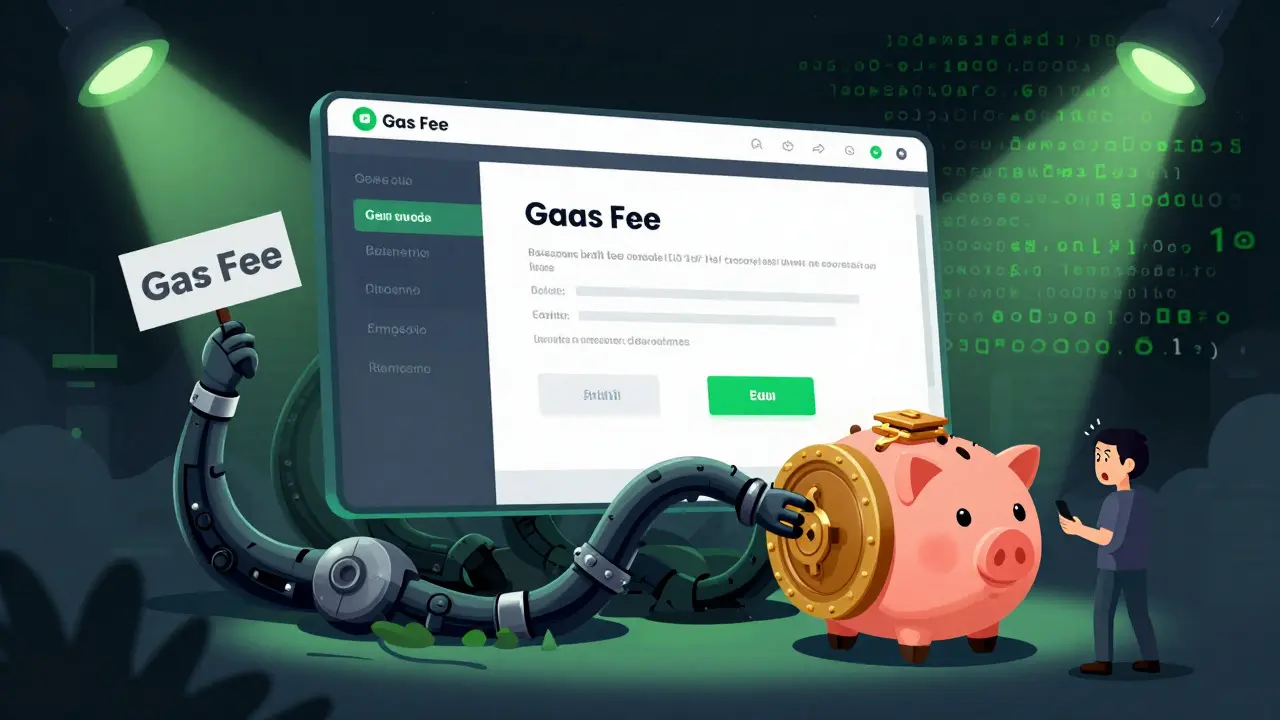
The final step is the "claim." You connect your wallet, such as MetaMask or Phantom. At this point, two things can happen. In the worst-case scenario, the site prompts you to sign a malicious transaction that drains your wallet. In a slightly less aggressive but equally fraudulent version, they ask you to pay a small "gas fee" or "verification tax" to unlock your tokens. Once you pay, nothing happens. Your money is gone, and the tokens never existed.
This pattern is common across dozens of fake projects each month. The name "Unbound" is just one of many used to lure unsuspecting investors.
Verifying Legitimate Airdrops: A Step-by-Step Checklist
Not all airdrops are scams. Projects like LayerZero, Arbitrum, and Starknet have distributed billions of dollars in value to genuine users. However, these projects share common traits that you can check before participating. Use this checklist to evaluate any future opportunity.
- Check Official Channels: Go directly to the project’s official website and verified social media accounts. Do not click links from DMs or unverified tweets. Look for an announcement post with high engagement and replies from community managers.
- Verify Contract Addresses: If a token is live, its contract address should be listed on Etherscan, BscScan, or Solscan. Copy the address from the official source and paste it into the explorer. Check if the liquidity is locked and if the ownership is renounced.
- Research the Team: Legitimate projects have doxxed (publicly identified) teams or at least well-known pseudonymous founders with a track record. If the team is anonymous and has no history, proceed with extreme caution.
- Look for Community Engagement: Join their Discord or Telegram. Are there real people discussing technology and governance? Or is it just bots spamming "buy" and "claim"? Real communities have moderators, structured channels, and active development updates.
- Use Aggregator Tools: Sites like Airdrop.io, DappRadar, or DefiLlama list verified opportunities. If a project isn’t listed on these platforms, it’s a significant red flag.
If the "Unbound" project fails even one of these checks, walk away. There is no reward worth risking your entire portfolio.
Comparison: Legitimate vs. Fraudulent Airdrops
| Feature | Legitimate Airdrop | Fraudulent Airdrop (e.g., UNB) |
|---|---|---|
| Official Announcement | Posted on verified social media and blog | No official source; rumors only |
| Website Quality | Professional, HTTPS, clear domain | Generic template, recent registration |
| Wallet Connection | Read-only or standard signature | Requests private keys or large approvals |
| Fees | None (only network gas fees) | Asks for upfront payment or "taxes" |
| Community | Active, moderated, technical discussions | Bots, spam, no moderation |
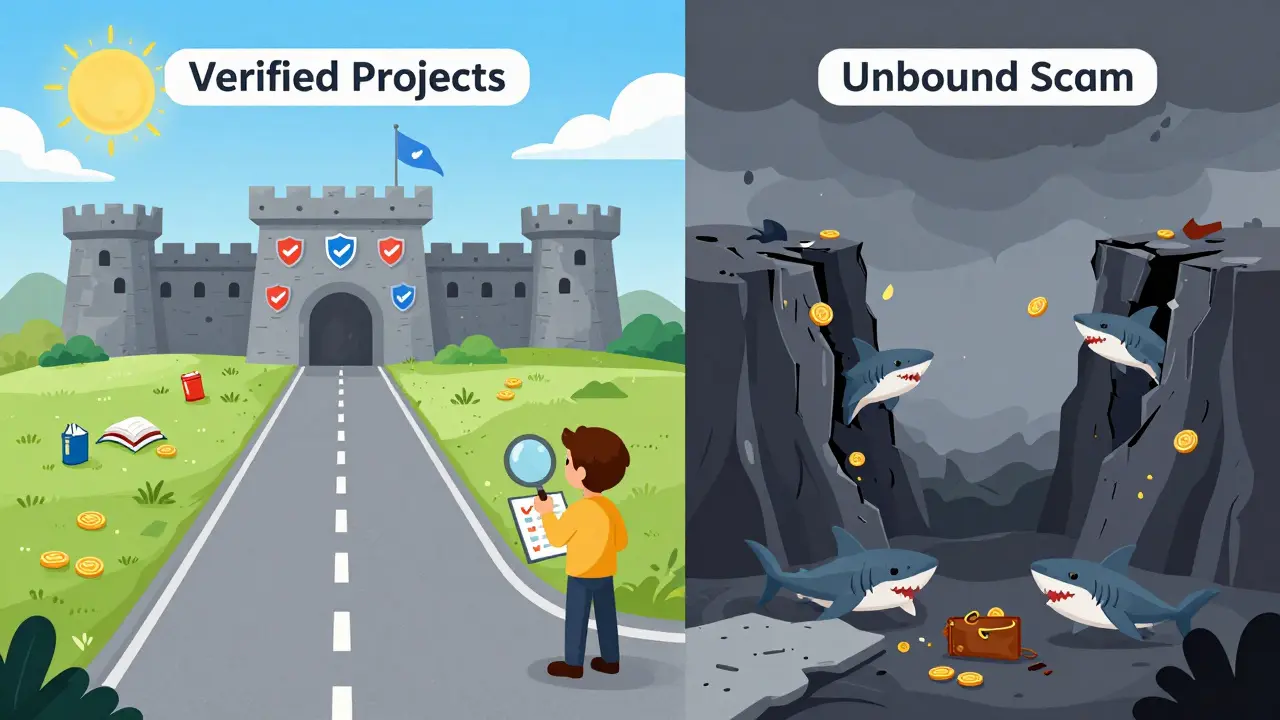
As you can see, the contrast is stark. Legitimate projects invest in transparency because they want long-term users. Scammers want quick cash and disappear after the drain.
What to Do If You Already Interacted with Unbound
If you’ve already connected your wallet to a site claiming to offer UNB tokens, act immediately. First, disconnect the wallet from the site. Most wallets allow you to revoke permissions. Go to Revoke.cash or a similar tool, connect your wallet, and revoke any approvals granted to unknown contracts. This prevents future transactions from being executed without your consent.
Second, monitor your balance closely. If you notice unauthorized transfers, move your remaining funds to a new hardware wallet immediately. Change your passwords for email and exchange accounts, and enable two-factor authentication (2FA) using an authenticator app, not SMS.
Finally, report the incident. While you may not recover your funds, reporting helps authorities track scam networks. You can file reports with local cybercrime units or platforms like the Internet Crime Complaint Center (IC3).
Safe Alternatives for Earning Crypto Rewards
You don’t need to risk your security to earn crypto. There are safer ways to participate in the ecosystem. One option is "Learn and Earn" programs offered by major exchanges like Coinbase or Binance. These programs pay you small amounts of crypto for watching educational videos and answering quizzes. It’s low-risk and builds knowledge.
Another approach is engaging with established testnets. Projects like Optimism or Base often run testnet phases where users can interact with the network using fake tokens. While these don’t guarantee rewards, they position you as an early user if a future airdrop is announced. Always stick to projects with proven track records and transparent teams.
Remember, patience is a virtue in crypto. The most valuable airdrops go to users who interact with protocols over months, not those who chase hype for minutes.
Is the Unbound (UNB) token real?
There is no verified evidence that a legitimate "Unbound" project or UNB token exists. All available indicators suggest it is a scam or phishing attempt. Avoid any websites or social media accounts claiming otherwise.
How can I tell if an airdrop is a scam?
Check for official announcements on verified social media, look for a professional website with a long registration history, and ensure the project doesn't ask for private keys or upfront fees. If it feels too good to be true, it probably is.
What should I do if I connected my wallet to a fake airdrop site?
Immediately disconnect your wallet, revoke all token approvals using tools like Revoke.cash, and transfer any remaining funds to a new, secure wallet. Monitor your account for unauthorized activity and change your related passwords.
Are there any safe ways to get free crypto?
Yes. Participate in "Learn and Earn" programs on major exchanges like Coinbase or Binance. You can also engage with established testnets of reputable projects, though rewards are not guaranteed. Always prioritize security over quick gains.
Why do scammers use names like "Unbound"?
Scammers use generic, appealing names to sound professional and trustworthy. They rely on confusion and urgency to prevent victims from researching the project thoroughly. The lack of unique branding or official documentation is a key indicator of fraud.