
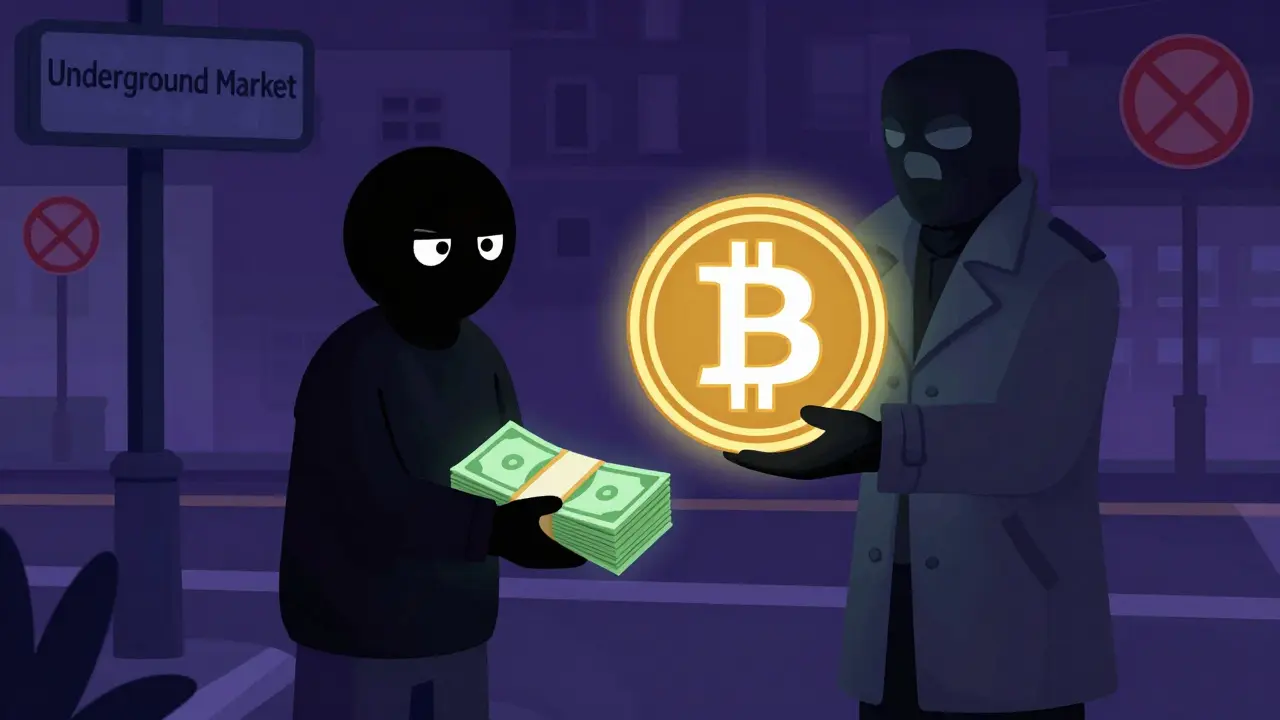
When a government bans something people want, the price goes up. It is basic economics. If you cannot buy Bitcoin on Coinbase or Binance because your country says it is illegal, you have to find another way. That "other way" is the underground market. And in those shadows, you do not just pay for the coin; you pay for the risk. This extra cost is called a premium.
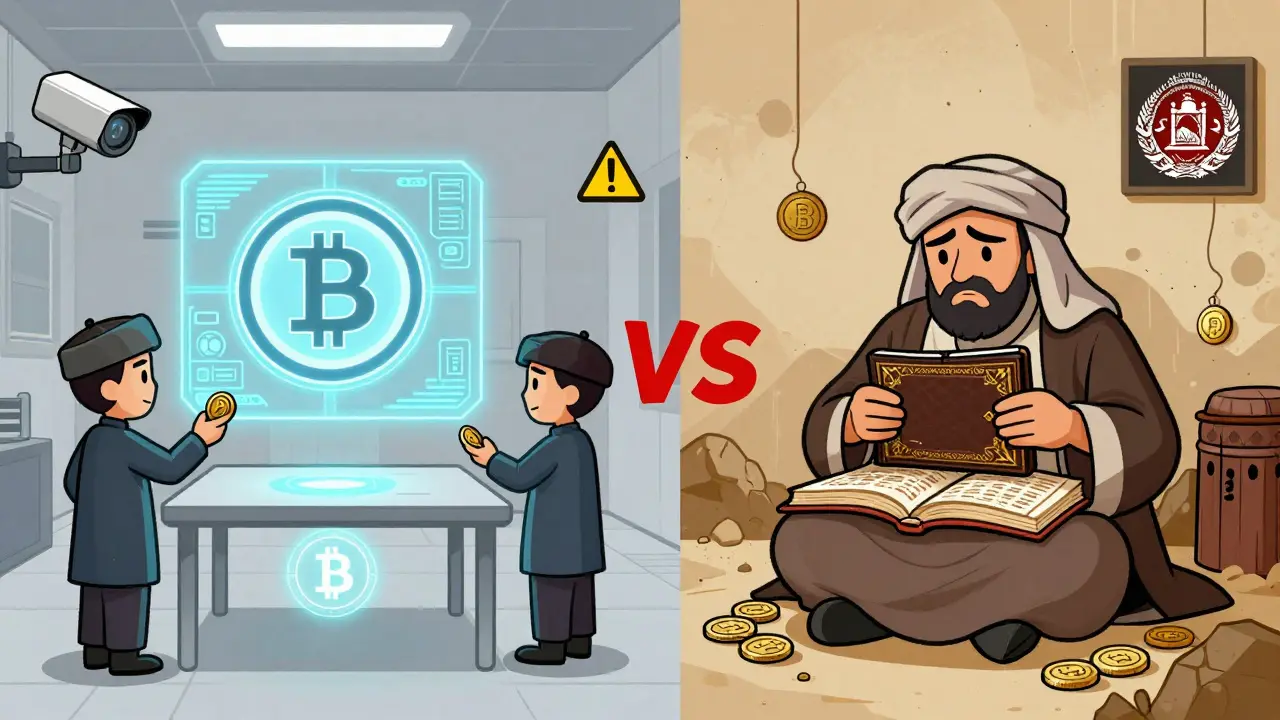
In 2026, the landscape of banned jurisdictions has shifted dramatically. We are no longer talking about gray areas or confusing regulations. We are looking at absolute prohibitions in major economies like China and Afghanistan. For users in these regions, accessing crypto is not just inconvenient; it is a criminal act. This article breaks down how these bans create underground markets, why premiums exist, and what the data tells us about the real cost of going dark.
The Economics of the Shadow Market
To understand why you pay more for crypto in a banned jurisdiction, you have to look at supply and demand through the lens of fear. In a free market, liquidity is high. Thousands of buyers and sellers meet on exchanges like Kraken or Bybit. The spread between buying and selling is tiny.
In a banned market, legitimate channels are cut off. Supply drops to near zero. Demand, however, often stays steady or even grows as people seek alternatives to failing local currencies or capital controls. When supply vanishes but demand remains, prices spike. But it is not just scarcity driving the price. It is risk.
An underground dealer is taking a massive gamble. They could be arrested. Their assets could be seized. Their bank accounts could be frozen. To compensate for this danger, they charge a premium. This is known as a risk premium. In some cases, this premium can range from 10% to over 50% above the global spot price. You are not just buying Bitcoin; you are paying for insurance against the state.
China: The Total Prohibition Model
China implemented the most comprehensive crypto ban in recent history on May 30, 2025, marking a turning point in global crypto regulation. Before this date, China had already cracked down on mining and trading, but personal ownership was technically in a gray area. The new legislation changed that completely. Now, holding digital assets privately is a crime.
This move was part of Beijing’s strategy to push its state-backed Central Bank Digital Currency (CBDC), the digital yuan. By making private crypto illegal, the government aims to force all transactions into a monitored, state-controlled system. For the average citizen who still wants exposure to Bitcoin or Ethereum, the only option left is the black market.
Because enforcement in China is sophisticated and pervasive, the risk premium here is likely among the highest in the world. Dealers must use complex methods to hide their tracks, including peer-to-peer (P2P) networks, privacy coins, and offline meetings. These methods reduce liquidity and increase operational costs, which are passed on to the buyer. While specific premium data is hard to verify due to the covert nature of these trades, the sheer scale of China’s economy suggests that even a small percentage of users turning to underground markets creates a significant shadow ecosystem.
Afghanistan: Religion and Control
In Afghanistan, the ban is absolute and rooted in different motivations than China’s. Since the Taliban regime took power in 2022, they have declared cryptocurrency "haram" (forbidden) under Sharia law. They also cite economic stability, fearing that unregulated digital assets would undermine their fragile financial system.
The Da Afghanistan Bank (DAB) and the Financial Transactions and Reports Analysis Center of Afghanistan (FinTRACA) enforce this ban. They shut down exchanges, arrest traders, and confiscate funds. However, enforcement is inconsistent. In a country with limited banking infrastructure, crypto offers a lifeline for remittances and savings. This creates a strong demand despite the ban.
The premium in Afghanistan is driven by two factors: religious stigma and state repression. Because the activity is viewed as morally wrong by the ruling authority, participants are even more secretive. This reduces liquidity further. Traders may rely on trusted community networks rather than open platforms. The lack of transparency means prices can fluctuate wildly, and buyers often pay significantly more than the global average to access these closed loops.
Emerging Markets: The Compliance Trap
Not every restricted market is a total ban. In many emerging economies, the barrier is not prohibition but compliance. Countries like India, South Africa, and Egypt have strict rules that effectively push some activity underground.
In India, the Financial Intelligence Unit (FIU) fined non-compliant platforms $9.5 million in 2024. This aggressive stance forces many smaller operators out of the legal market. Users who cannot navigate the complex tax and reporting requirements may turn to unregistered P2P platforms. Here, the premium is lower than in China or Afghanistan, but it exists. It is the cost of avoiding bureaucracy.
South Africa suspended licenses of 12 crypto firms in 2025 for failing Anti-Money Laundering (AML) checks. The Philippines blacklisted 20 exchanges, freezing $150 million in funds. These actions show that regulators are getting smarter. They are targeting the gatekeepers. When gatekeepers fall, users go deeper underground. The premium in these markets is less about fear of prison and more about the convenience fee paid to avoid regulatory hassle.
How Underground Trading Works
If you are in a banned jurisdiction, you cannot simply log into an app. The underground market relies on trust and technology. Here is how it typically functions:
- Peer-to-Peer (P2P) Networks: Platforms like LocalBitcoins (where available) or Telegram groups connect buyers and sellers directly. Payments are made via bank transfer, mobile money, or cash. The crypto is released once payment is confirmed. This is risky because either party can scam the other.
- Privacy Coins: Cryptocurrencies like Monero and Zcash are popular in banned zones. Their enhanced anonymity features make them harder to track. As a result, they often command higher premiums because they offer better protection against surveillance.
- Decentralized Exchanges (DEXs): Tools like Uniswap allow users to trade without a central authority. However, DEXs require users to have crypto already to pay gas fees. Getting that initial crypto often requires entering the fiat-on-ramp underground market first.
- Cross-Border Arbitrage: Some users rely on friends or family in friendly jurisdictions to buy crypto and send it across borders. This involves trust risks and potential customs issues if physical hardware wallets are shipped.
| Country | Ban Status | Enforcement Level | Primary Driver of Premium |
|---|---|---|---|
| China | Total Ban (Ownership Illegal) | High (Sophisticated Surveillance) | Risk of Arrest & Asset Seizure |
| Afghanistan | Total Ban (Religious/Economic) | Medium (Inconsistent Enforcement) | Lack of Liquidity & Stigma |
| India | Heavy Regulation | High (Fines & Compliance Checks) | Avoidance of Tax/Bureaucracy |
| Egypt | Blanket Ban | Medium (Arrests Occur) | Scarcity & Operational Risk |
The Role of Technology in Hiding Trades
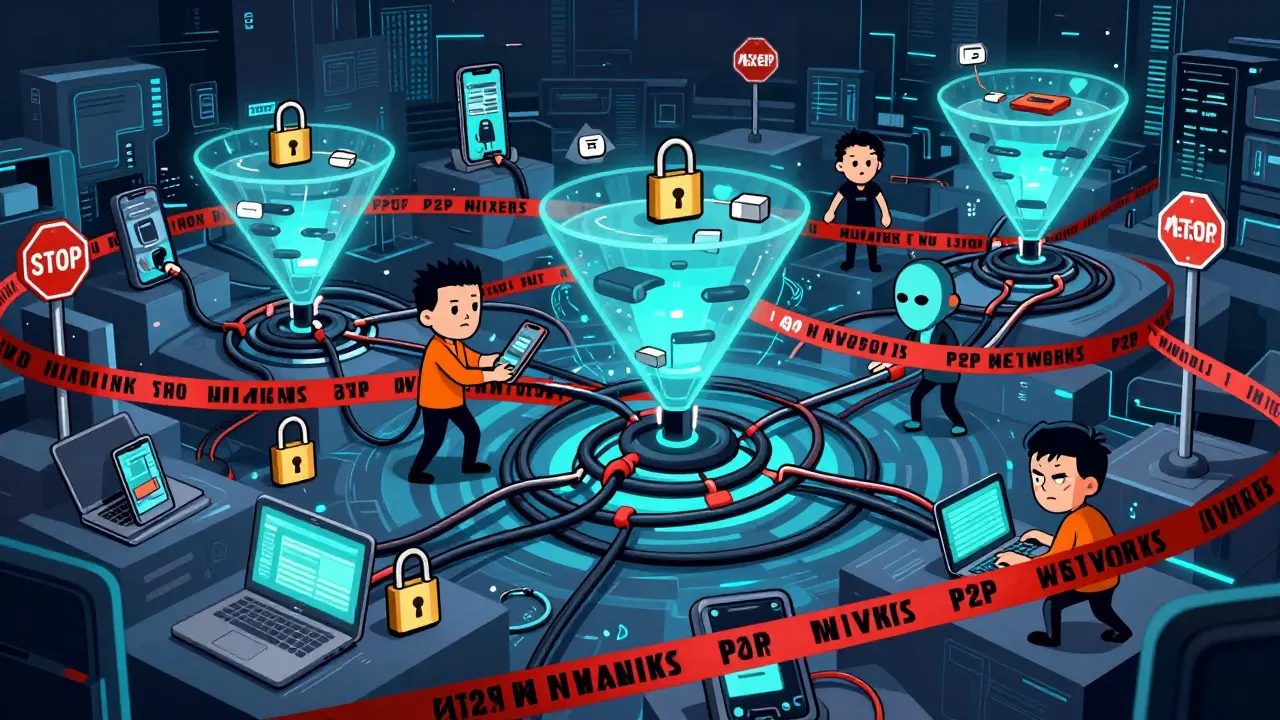
Technology is a double-edged sword. Regulators use blockchain analysis tools to trace illicit flows. But traders use technology to stay hidden. Mixers, tumblers, and chain-hopping techniques are common in underground markets. These methods add friction to the transaction process. Friction costs money. Therefore, the more steps required to obscure the trail, the higher the final price for the buyer.
Additionally, the rise of Layer-2 solutions and cross-chain bridges allows users to move assets quickly between networks, making tracking harder. However, these technologies are complex. Many users in banned jurisdictions lack technical expertise. This knowledge gap creates an opportunity for intermediaries who charge high fees to manage the complexity on behalf of the user.
Why Data Is Scarce
You will notice that exact numbers on premiums are rare. This is intentional. Underground markets thrive on secrecy. Participants do not want to leave a paper trail. Researchers rely on anecdotal evidence, leaked chats, and occasional arrests to estimate prices. For example, reports from Egypt suggest active underground trading despite 112 arrests in 2025. Nigeria’s seizure of $38 million in crypto-linked cybercrime assets shows volume, but not price.
Without transparent order books, we cannot calculate precise bid-ask spreads. We can only infer that where bans are strictest, premiums are highest. The lack of data is itself a feature of the underground economy. It protects the players inside.
Future Outlook: Will Bans Work?
History suggests that total bans rarely eliminate demand. They only drive it underground. As long as there is a desire for financial sovereignty or a hedge against inflation, people will find ways to trade. The question is not whether underground markets will exist, but how expensive they will become.
As regulatory cooperation increases globally-evidenced by the FATF noting 99 jurisdictions passing crypto laws by mid-2025-the cost of operating underground will rise. Cross-border arbitrage will become harder. Privacy coins may face exchange delistings. All of this points to one conclusion: the premium for crypto in banned jurisdictions will likely continue to grow, making it a luxury good accessible only to those willing to pay for risk.
What is a crypto market premium?
A crypto market premium is the difference between the global average price of a cryptocurrency and the price it sells for in a specific local market. In banned jurisdictions, this premium reflects the added risk, scarcity, and operational costs of trading illegally.
Is it safe to buy crypto in a banned country?
No. Buying crypto in a banned jurisdiction carries significant legal risks, including arrest, fines, and asset seizure. Additionally, underground markets are prone to scams, fraud, and theft because there is no legal recourse if something goes wrong.
Why are premiums higher in China than in India?
In China, personal ownership of crypto is a criminal offense with severe penalties, creating a high-risk environment that dealers must be compensated for. In India, while regulations are strict, ownership is not explicitly criminalized in the same way, so the premium is driven more by compliance avoidance than fear of imprisonment.
Do privacy coins like Monero have higher premiums?
Yes. Privacy coins offer enhanced anonymity, which is highly valued in banned jurisdictions. Because they are harder to track, they are often in higher demand among underground traders, leading to higher premiums compared to transparent coins like Bitcoin.
How do underground traders get paid?
Underground traders often use peer-to-peer methods such as bank transfers, mobile money apps, cash deposits, or gift cards. These methods help bypass traditional banking monitors, though they also increase the risk of fraud for both parties.