
Buying a cryptocurrency because it sounds like the future of gaming or AI can be a costly mistake if you don’t check its current operational status. If you are looking at Lootex, specifically the LOOT token, right now, you need to know one critical fact before you spend any money: the platform’s core trading features have been disabled.
As of May 2026, Lootex is not actively facilitating trades on its marketplace. This isn't just a temporary glitch; official documentation from the platform indicates that all trading features were shut down on March 31, 2026. For a token whose primary value proposition was facilitating NFT transactions, this shutdown fundamentally changes what the asset is worth and why anyone would hold it.
Is Lootex (LOOT) still active in 2026?
No. The Lootex marketplace disabled all trading features on March 31, 2026. While the website may still exist, the core utility of buying and selling NFTs on the platform is currently non-functional.
What Was Lootex Supposed to Be?
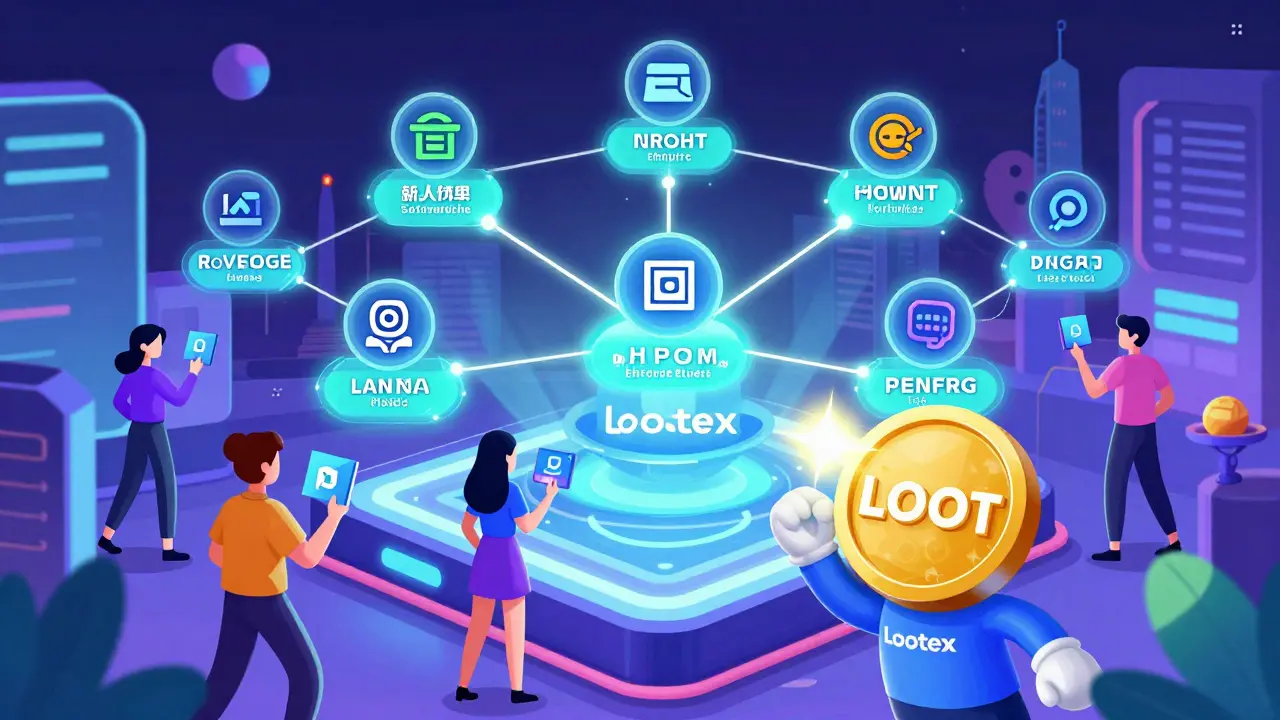
To understand the risk, we first need to look at what Lootex promised when it launched. Lootex was designed as an AI-powered Web3 solutions platform and multi-chain NFT marketplace. It aimed to solve a specific problem in the crypto world: fragmentation. Most NFT marketplaces back then only worked on one blockchain, like Ethereum or Solana. Lootex claimed to support eight different blockchain networks simultaneously.
The idea was simple but appealing for gamers and collectors. You could manage assets across multiple chains without switching apps. The platform marketed itself as infrastructure for the metaverse ecosystem, helping users trade digital collectibles and manage blockchain-based gaming assets. The LOOT token was introduced as the native currency to pay for fees and facilitate these exchanges.
At its peak, the numbers looked impressive. The platform hosted over 29,000 NFT collections and reported activity from more than 140,000 unique wallet addresses. This suggested a vibrant community of users engaging with the platform's infrastructure. The inclusion of "AI-powered" in their branding also tapped into the growing trend of integrating artificial intelligence into blockchain tools, likely for fraud detection or automated pricing suggestions.
The Critical Change: Trading Shutdown
Here is where the story takes a sharp turn for existing holders and potential buyers. On March 31, 2026, Lootex officially disabled all trading features on its marketplace. This date is now in the past as we navigate through May 2026.
Why does this matter so much? In the world of utility tokens, value comes from usage. If the marketplace doesn't work, the token has no immediate use case. Without active trading, there is no fee revenue generated by the platform, and there is no reason for users to buy LOOT tokens to conduct business. This shutdown raises serious questions about the project's long-term viability. Is it a permanent closure? A rebranding? Or a transition to a new protocol that hasn't been announced yet?
Currently, there is no clear explanation from the team regarding alternative utility mechanisms for the LOOT token. There are no reports of governance rights, staking rewards, or integration with other protocols that would keep the token relevant after the marketplace closed. This lack of communication is a major red flag for investors.
Current Price and Market Data Analysis
If you look up LOOT on various tracking sites today, you will see confusing and contradictory data. This inconsistency is common for low-liquidity assets but adds another layer of risk.
According to data available in May 2026:
- CoinGecko: Reported a price around $0.0001889 USD with very low 24-hour volume. However, some erroneous data points showed inflated figures, highlighting data quality issues on trackers.
- Coinbase: Listed LOOT at approximately $0.000184 USD but also showed conflicting internal calculations suggesting a higher implied price based on market cap errors. Crucially, Coinbase explicitly states that Lootex (LOOT) is not tradable on its platform.
- Crypto.com: Showed a price near $0.00077 USD with minimal trading volume.
The circulating supply is documented at roughly 13 million tokens. Historically, LOOT reached an all-time high of $1.58 USD during the speculative boom of 2021-2022. Comparing the current price of fractions of a cent to that peak shows a depreciation of over 99%. This crash mirrors the broader downturn seen in many gaming-focused cryptocurrencies after the initial hype cycle ended.
| Metric | Value / Status | Note |
|---|---|---|
| All-Time High | $1.58 USD | Reached during 2021-2022 bull run |
| Current Price Range | $0.0001 - $0.0007 USD | Highly volatile and inconsistent across sources |
| Circulating Supply | ~13 Million | Fixed supply model |
| Marketplace Status | Disabled | Trading halted since March 31, 2026 |
| Liquidity | Very Low | Low trading volumes indicate difficulty entering/exiting positions |

Where Can You Buy LOOT?
Finding a place to buy LOOT is becoming increasingly difficult. Major centralized exchanges like Coinbase do not list it. Your options are largely limited to smaller or decentralized venues.
Binance and KuCoin have previously offered acquisition methods. Binance allows purchases through its Web3 Wallet feature, which connects to decentralized exchanges (DEXs). KuCoin provides step-by-step guides for buying the token. However, even if you find a listing, the low liquidity means that buying a significant amount could drastically drive up the price (slippage), while selling might be impossible without crashing the price further.
Because the underlying platform is inactive, these listings may represent residual trading interest rather than organic demand. Always verify the contract address on a block explorer before attempting any transaction to avoid scams mimicking the real token.
Competitive Landscape: Why Did It Struggle?
Lootex entered a crowded market. It competed against giants like OpenSea, which dominates the general NFT space, and Blur, which caters to professional traders. It also faced competition from Magic Eden, which became the go-to marketplace for the Solana ecosystem.
While Lootex’s multi-chain approach was technically sound, execution and timing were everything. The NFT market cooled significantly after 2022. User engagement dropped, and many mid-tier platforms failed to retain their user base. Without a massive influx of new users or a revolutionary feature update, Lootex couldn't sustain the momentum needed to survive the bear market. The decision to shut down trading suggests they could not maintain the operational costs or found a viable path forward.
Risks for Investors in 2026
If you are considering buying LOOT or holding onto existing tokens, you must weigh these specific risks:
- Utility Loss: The primary use case (marketplace fees) is gone. There is no announced replacement utility.
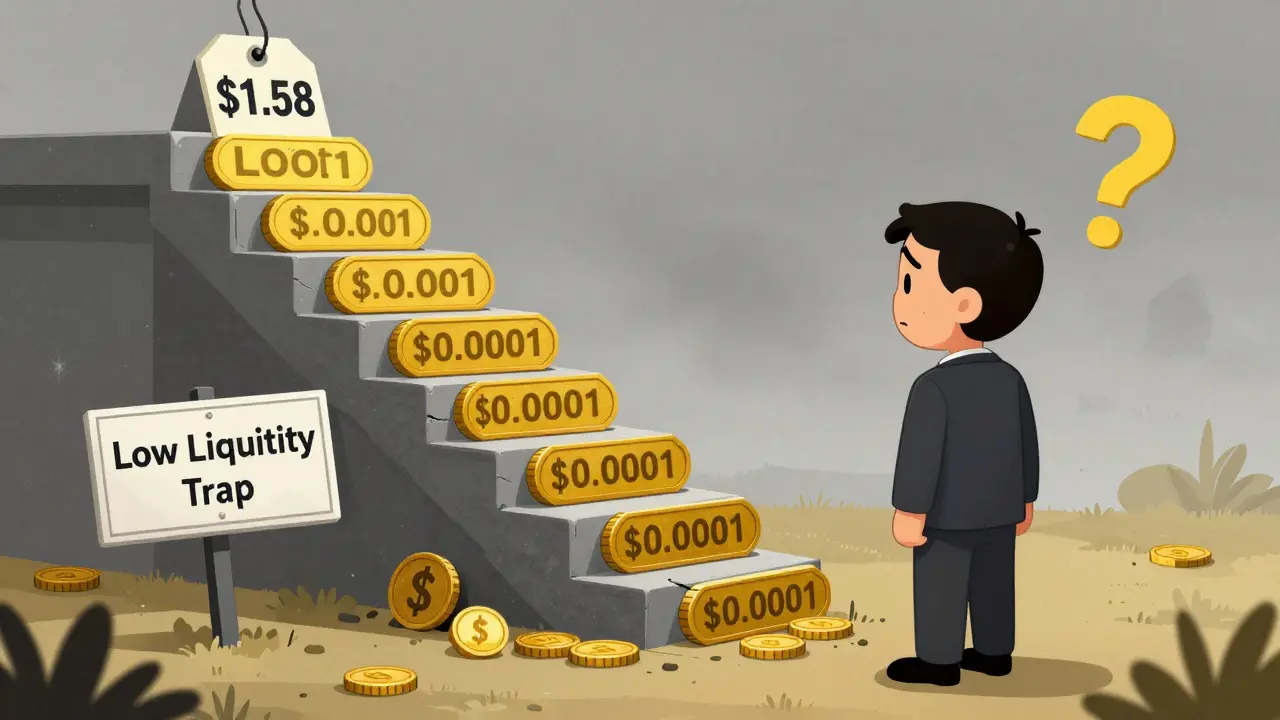
- Liquidity Trap: With low trading volumes, you may not be able to sell your tokens when you want to.
- Information Asymmetry: The lack of clear communication from the team regarding the shutdown leaves investors in the dark.
- Price Volatility: Small trades can cause massive percentage swings in price due to thin order books.
In the crypto world, projects that stop functioning without a clear roadmap often lose their remaining value. The dramatic drop from $1.58 to less than a tenth of a cent already reflects the market's loss of confidence in the project.
Can I still use LOOT tokens on the Lootex marketplace?
No. Trading features were disabled on March 31, 2026. You cannot currently buy, sell, or trade NFTs using LOOT on the platform.
Is Lootex a scam?
There is no evidence of malicious intent or theft. However, the project appears to be defunct or in a state of indefinite suspension. Investing in it carries extreme risk due to the lack of active development and utility.
Why did the price drop so much?
The price dropped due to the broader crypto market correction post-2022, reduced interest in NFTs, and specifically the shutdown of the Lootex marketplace functionality in early 2026, which removed the token's primary utility.
Will Lootex restart trading?
There is no official announcement confirming a restart. Investors should assume the platform is inactive until credible updates are provided by the development team.
What blockchains did Lootex support?
Lootex supported eight separate blockchain networks, allowing cross-chain NFT management. Specific chains included popular networks like Ethereum and Polygon, though the exact list is no longer relevant due to the platform's shutdown.
Final Thoughts
Lootex (LOOT) serves as a cautionary tale in the crypto space. Even innovative ideas like multi-chain NFT marketplaces with AI integration can fail if they cannot sustain user engagement and operational continuity. In May 2026, the LOOT token lacks a functional product behind it. Unless you are speculating on a highly unlikely revival, the token offers little practical value. Always prioritize projects with active development, transparent communication, and working products before investing your funds.