
Imagine a video game economy so tight that every sword, castle, and trade route costs the same digital coin. That’s the core idea behind LORDS (LORDS). It isn’t just another speculative meme coin; it’s the native utility and reserve currency for the Realmsverse, an on-chain gaming ecosystem built primarily on StarkNet. If you’ve ever wondered how decentralized games actually function economically, LORDS offers a fascinating case study in tying real value to virtual assets.
Launched back in December 2021, this token was designed from day one to support a massively multiplayer strategy game. Unlike general-purpose coins like Bitcoin or Ethereum, which try to be everything to everyone, LORDS has a specific job: to facilitate transactions, governance, and incentives within the Realmverse. But with its price hovering around fractions of a cent in late 2026 and a market cap under $1 million, is it worth your attention? Let’s break down exactly what this token does, where it lives, and why its volatility matters.
The Core Concept: Gaming Meets DeFi
To understand LORDS, you first need to grasp the Realmsverse project itself. It’s an ambitious attempt to build a fully on-chain world where players don’t just buy skins-they own the underlying economic infrastructure. The development team, known as Realms + Bibliotheca, connects this directly to the popular Loot NFT ecosystem.
Here is the basic loop: You hold a Realm NFT. This NFT acts as your entry ticket and voting power. Inside the game, you generate resources. To trade these resources or mint new items, you spend LORDS. Because all associated NFTs and fungible tokens are denominated in LORDS, the token becomes the lifeblood of the entire system. If the game gets more players, demand for LORDS should theoretically rise. If the game stalls, the token suffers. It’s a pure play on the success of the gaming ecosystem itself.
Technical Architecture: Why StarkNet?
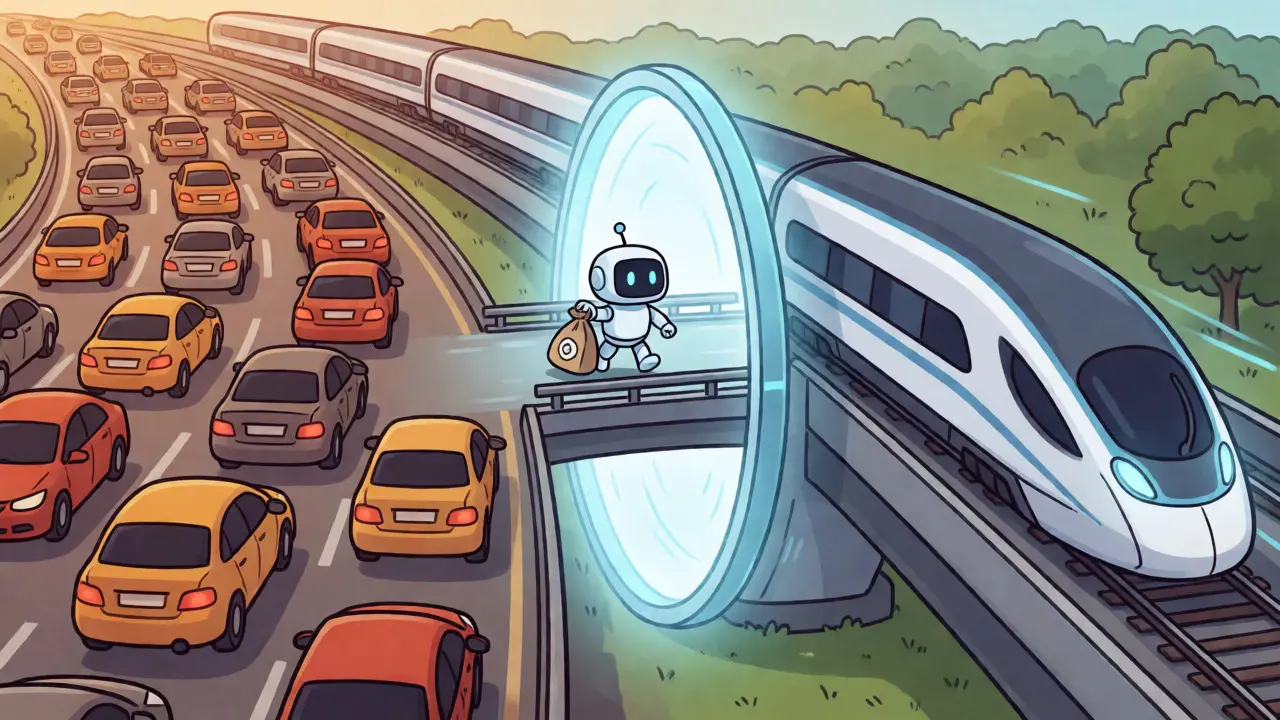
You might ask, "Why not just use Ethereum mainnet?" Good question. On Ethereum mainnet, trading a low-value in-game item could cost more in gas fees than the item is worth. That kills micro-transactions. Enter StarkNet, a zero-knowledge Layer-2 rollup solution. By deploying the functional game logic and marketplace on StarkNet, the developers achieved near-instant, low-cost transactions.
However, LORDS itself is technically an ERC-20 token deployed on Ethereum mainnet at address 0x686f2404e77Ab0d9070a46cdfb0B7feCDD2318b0. Users bridge their LORDS from Ethereum to StarkNet to use them inside the game. This hybrid architecture allows the token to benefit from Ethereum’s deep liquidity while using StarkNet’s speed for daily gameplay. It’s a clever workaround, but it adds a layer of complexity for users who aren’t familiar with bridging assets between networks.
Tokenomics: Supply and Emission
Let’s look at the numbers, because they tell a story of controlled scarcity versus ongoing emission. The maximum supply of LORDS is capped at 500,000,000 tokens. As of mid-2026, the total supply sits at 300 million, with roughly 207 million circulating. That means nearly 60% of the max supply hasn’t been emitted yet.
| Metric | Value |
|---|---|
| Max Supply | 500,000,000 LORDS |
| Total Supply | 300,000,000 LORDS |
| Circulating Supply (Est.) | ~207,000,000 LORDS |
| Launch Date | December 9, 2021 |
| Blockchain | Ethereum (ERC-20), used on StarkNet |
The remaining tokens are intended to be released over time to incentivize active participants and Realm holders. This is crucial: it’s not a one-time dump. The emission schedule is tied to engagement. If you’re playing the game or providing liquidity, you earn more LORDS. This keeps early adopters aligned with long-term growth, but it also means dilution risk if the player base doesn’t grow fast enough to absorb the new supply.
Utility: More Than Just Currency
So, what can you actually do with LORDS? Its utility is threefold:
- Gateway Access: You need LORDS to enter certain experiences, mint passes, or pay for subscriptions within the Realmsverse.
- In-Game Currency: All trades on the native AMM (Automated Market Maker) and NFT marketplaces happen in LORDS. If you want to buy a resource generated by another player, you pay in LORDS.
- Governance & Staking: Holders can stake LORDS to receive veLORDS (vote-escrowed LORDS). This grants enhanced rewards and voting power in the Bibliotheca DAO.
The staking mechanism is particularly interesting. By locking up your tokens, you signal commitment to the ecosystem. In return, you get a say in how the game evolves and a share of the protocol’s revenue. It turns passive holding into active participation.
Market Performance: The Volatility Reality Check
If you’re looking for stability, look elsewhere. LORDS has experienced extreme volatility. In October 2023, it hit an all-time high of $6.84. Fast forward to September 2026, and it’s trading around $0.0022. That’s a drawdown of over 99%. Yes, you read that right. Ninety-nine percent.
This kind of crash is common for niche GameFi tokens during bear markets. When hype dies down, liquidity dries up. Daily trading volumes often sit below $100 on major aggregators, though they spike occasionally. This thin liquidity means large buys or sells can significantly move the price. It’s a high-risk environment suited only for those who deeply believe in the future of on-chain gaming and have the stomach for wild swings.
Governance: Who Runs the Show?
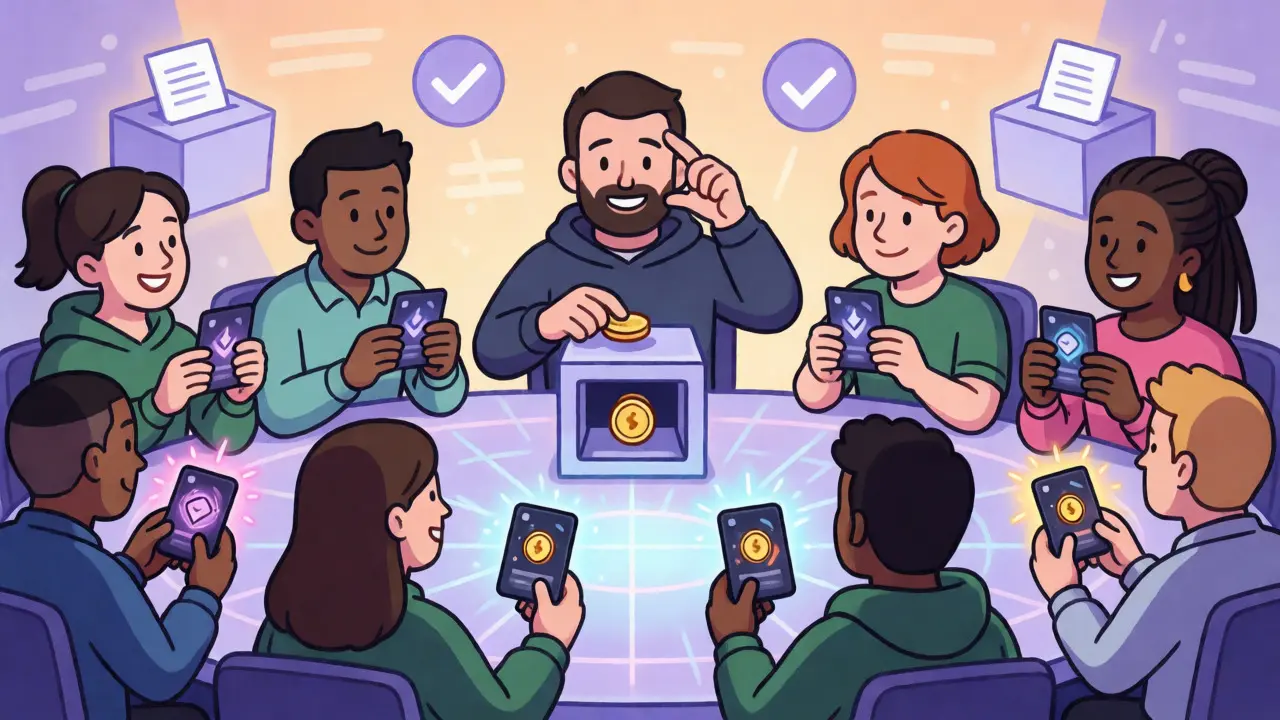
The Bibliotheca DAO governs the entire Realms ecosystem. Governance isn’t just about holding tokens; it’s heavily weighted toward owning Realm NFTs. This creates a dual-class system where both capital (LORDS) and ownership (NFTs) matter. Decisions on game parameters, marketplace rules, and emission rates are made here. For investors, this means understanding the community dynamics is just as important as reading the chart.
How to Buy and Use LORDS
Getting your hands on LORDS requires a bit more effort than buying Bitcoin on Coinbase. Here’s the typical path:
- Acquire ETH: Start with Ethereum on a centralized exchange.
- Bridge or Swap: Send ETH to a wallet compatible with StarkNet (like Argent X or Braavos). Use a DEX aggregator to swap ETH for LORDS on platforms like Ekubo or JediSwap on StarkNet. Alternatively, swap on Uniswap V3 on Ethereum and bridge across.
- Engage: Use the LORDS in the Realmsverse marketplace or stake it for veLORDS.
Be aware that technical barriers exist. Interacting with StarkNet requires different wallet setups than standard Ethereum. If you’re new to Layer-2 solutions, there’s a learning curve.
Is LORDS a good investment?
It depends on your risk tolerance. With a market cap under $1 million and high volatility, it’s a speculative asset. Success relies entirely on the adoption of the Realmsverse game. If the game succeeds, the token could appreciate; if it fails, the token may lose most of its remaining value.
Where can I buy LORDS?
You can trade LORDS on decentralized exchanges like Uniswap V3 (Ethereum) and Ekubo or JediSwap (StarkNet). Some smaller centralized exchanges like Bybit and Bitget also list it, but liquidity is generally higher on DEXs.
What is the difference between LORDS and veLORDS?
LORDS is the liquid, tradable token. veLORDS represents locked LORDS tokens. By locking your LORDS, you gain voting power in the DAO and potentially higher yield rewards, but you cannot sell or transfer those tokens until the lock period ends.
Is LORDS mineable?
No, LORDS is not mineable. It is an ERC-20 token issued through smart contracts. New tokens are emitted to ecosystem participants, such as Realm NFT holders and active players, rather than being created through proof-of-work mining.
Which blockchain does LORDS run on?
The token contract exists on Ethereum mainnet as an ERC-20. However, its primary usage occurs on StarkNet, a Layer-2 scaling solution, via bridged tokens. This allows for faster and cheaper transactions required for gaming.