

You’ve probably seen the name SolDoge pop up on social media or a crypto tracker. It’s one of those tokens that promises big things with a catchy dog mascot and cyber shades. But what is it actually? Is it just another joke coin, or does it have some real utility under the hood?
SolDoge (SDOGE) is a meme-themed cryptocurrency token built on the Solana blockchain. It markets itself as the "spiritual successor" to Dogecoin, aiming to capture that same community-driven energy but with faster transaction speeds and lower fees. While it sounds exciting, you need to look past the marketing hype to understand the reality of its supply, yield mechanics, and significant risks.
The Core Concept: Meme Culture Meets Speed
At its heart, SolDoge is a play on the massive success of earlier meme coins. If you remember when Dogecoin took off in 2013-and again in 2021-you know the drill: a funny image, a loyal community, and a lot of speculation. SolDoge tries to replicate this model but swaps out the older technology for something more modern.
Instead of running on its own heavy blockchain like Bitcoin or even Dogecoin (which uses Litecoin’s code), SolDoge lives entirely on Solana. Why does that matter? Because Solana is known for being incredibly fast and cheap to use. When you send a SolDoge token, it moves almost instantly and costs fractions of a penny. This makes it easier for people to trade small amounts without getting eaten alive by network fees, which was a huge complaint during the early days of Ethereum-based meme coins.
However, don’t confuse speed with value. Just because a token can move quickly doesn’t mean it has intrinsic worth. SolDoge is still fundamentally a speculative asset driven by social sentiment rather than underlying economic utility.
Tokenomics: Supply and Yield Mechanics
To understand if SolDoge is a good bet, you have to look at how the tokens are distributed. This is where things get interesting-and potentially risky.
| Metric | Value |
|---|---|
| Total Supply | 10,000,000,000 (10 Billion) |
| Circulating Supply | 10,000,000,000 (100% Circulating) |
| Blockchain | Solana |
| Yield Mechanism | Automatic distribution from transaction fees |
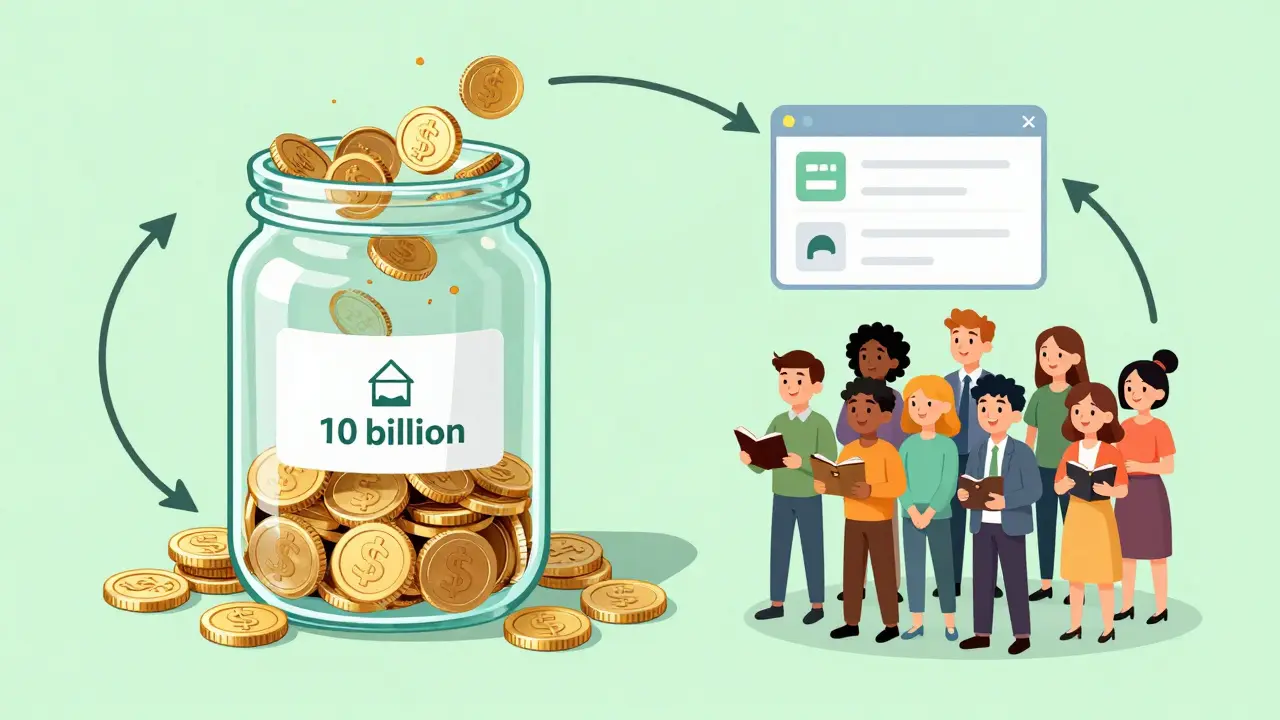
Unlike many projects that lock up tokens for developers or investors (vesting schedules), SolDoge released 100% of its supply into circulation on day one. On paper, this looks fair. There are no hidden team wallets waiting to dump on your head later. The entire market cap is visible from the start.
But there’s a catch. SolDoge features an "automatic yield generation" system. Here’s how it works: every time someone buys or sells SDOGE, a small fee is taken from that transaction. Instead of going to a central company, that fee is redistributed to existing holders. This rewards people for holding the token long-term.
This mechanism encourages hoarding, which can reduce liquidity. If everyone is holding their tokens to earn yield, fewer tokens are available for trading. For a micro-cap coin like SolDoge, low liquidity means your price can swing wildly based on very small trades. You might see a 30% jump in price on just $500 of volume, which sounds great until you try to sell a larger amount and realize there’s no one to buy from.
SolDoge vs. Dogecoin: What’s the Difference?
Marketing materials often call SolDoge the "next-gen" version of Dogecoin. Let’s break down why that comparison is both accurate and misleading.
Dogecoin was created in December 2013 by Billy Markus and Jackson Palmer as a satire of cryptocurrency speculation. It runs on its own Proof-of-Work blockchain, inherited from Litecoin. It has no maximum supply limit; new coins are mined continuously. Despite this inflationary nature, Dogecoin reached a peak market cap of over $85 billion in May 2021. That’s institutional-level money.
SolDoge, by contrast, has a hard cap of 10 billion tokens. It is deflationary in spirit because of the transaction fees being burned or redistributed. However, its current market presence is tiny. While Dogecoin is traded on every major exchange globally, SolDoge sits around rank #5,500+ in market capitalization. Its daily trading volume is often measured in hundreds of dollars, not millions.
The key difference isn’t just technology; it’s scale and recognition. Dogecoin has brand recognition among non-crypto users thanks to high-profile endorsements. SolDoge is currently known only within niche crypto circles. Being a "spiritual successor" doesn’t guarantee you’ll inherit the predecessor’s fortune.
Risks You Can’t Ignore
If you’re thinking about buying SolDoge, you need to be brutally honest about the risks. This is not a stable investment like gold or blue-chip stocks. It’s closer to buying a lottery ticket.
- Extreme Volatility: With such low trading volume, a single large seller can crash the price by 50% or more in minutes. Conversely, a small buy order can spike it artificially.
- Lack of Utility: Outside of sending messages to friends or hoping the price goes up, SolDoge doesn’t do much. The NFT governance aspect mentioned in marketing hasn’t yet translated into real-world decision-making power for most holders.
- No Formal Team Disclosure: Public profiles rarely list identifiable founders or a core development team. This anonymity is common in meme coins but raises red flags for accountability. If the smart contract has a bug, who fixes it?
- Liquidity Traps: Because so few tokens change hands daily, you might find yourself unable to sell your position when you want to exit.
Bitget and other exchanges explicitly note that the market value of SDOGE is "not widely recognized." This is a polite way of saying it’s obscure. In crypto, obscurity is dangerous. Projects without broad awareness tend to fade away when the next shiny object appears.

How to Buy SolDoge (SDOGE)
If you’ve weighed the risks and still want to proceed, here is the practical process for acquiring SolDoge. Since it’s a Solana token, you can’t hold it in a standard Bitcoin wallet.
- Get a Solana-Compatible Wallet: Download a wallet like Phantom or Solflare. These are free and widely used. Make sure you save your seed phrase offline. Never share it.
- Fund Your Wallet: Buy SOL (Solana’s native token) on a major exchange like Coinbase, Binance, or Kraken. Withdraw that SOL to your new wallet address.
- Use a Decentralized Exchange (DEX): Go to a platform like Raydium or Jupiter. Connect your wallet.
- Swap SOL for SDOGE: Paste the official SolDoge contract address. Warning: Always verify the contract address from the project’s official Twitter or website. Scammers create fake tokens with similar names.
- Confirm the Transaction: Approve the swap in your wallet. You’ll pay a small gas fee in SOL.
Some centralized exchanges like Bitget also list SDOGE, which allows you to buy it directly with fiat currency if they support it in your region. However, liquidity on DEXs is often deeper for these smaller tokens, so check both options.
Is SolDoge Worth It in 2026?
We are now in mid-2026. The crypto landscape has matured significantly since the early meme coin boom. Regulators are watching closer, and investors are more skeptical of pure hype plays.
SolDoge remains a micro-cap experiment. It has survived, which is more than many meme coins can say. Its automatic yield feature offers a unique twist that appeals to passive holders. But survival isn’t success. Without a surge in community adoption or a partnership that brings real utility, SolDoge likely remains a speculative curiosity.
If you decide to buy, treat it as entertainment spending. Only invest what you are comfortable losing entirely. Do not borrow money to buy meme coins. And always double-check the contract address before you click confirm.
What is the total supply of SolDoge (SDOGE)?
The total supply of SolDoge is fixed at 10,000,000,000 (10 billion) tokens. Unlike some cryptocurrencies that have infinite supplies, SolDoge has a hard cap. Furthermore, 100% of this supply was released into circulation on day one, meaning there are no locked tokens for developers or investors.
Does SolDoge pay dividends or yield?
Yes, SolDoge features an automatic yield generation mechanism. A portion of the transaction fees from every buy and sell is redistributed to existing token holders. This acts as a passive income stream for those who hold the token, incentivizing long-term ownership rather than quick flipping.
Is SolDoge the same as Dogecoin?
No, they are different. Dogecoin runs on its own blockchain derived from Litecoin and has an unlimited supply. SolDoge is a token built on the Solana blockchain with a fixed supply of 10 billion. While SolDoge markets itself as a spiritual successor to Dogecoin’s culture, they are technically distinct assets with different economics.
Where can I buy SolDoge?
You can buy SolDoge on decentralized exchanges (DEXs) like Raydium or Jupiter using a Solana-compatible wallet such as Phantom. Some centralized exchanges like Bitget may also offer trading pairs. Always ensure you are using the correct contract address to avoid scam tokens.
Who created SolDoge?
Specific founder identities are not publicly disclosed in major market data aggregators. Like many meme coins, SolDoge emphasizes community ownership and decentralization. The project maintains a GitHub repository named "soldogefrens," suggesting open-source elements, but the core team remains anonymous.