
Imagine sending a check where the bank verifies you have enough money in your account, but never sees who you are, who you’re paying, or how much the payment is. That sounds like magic, right? In the world of blockchain, it’s reality. Zcash is a privacy-focused cryptocurrency that uses zero-knowledge proofs to allow users to send transactions where the sender, receiver, and amount can be hidden while still being verifiable by the network. It was the first real-world application of this technology on a public blockchain for financial privacy.
Most blockchains, like Bitcoin, are transparent ledgers. Anyone can look up any address and see every transaction ever made. Zcash changes that game. It gives you a choice: stay transparent if you want, or step into the shadows with shielded transactions. This article breaks down how that works, why it matters, and what you need to know before using it.
What Are Zero-Knowledge Proofs?
To understand Zcash, you have to understand its engine: Zero-Knowledge Proofs (ZKPs) are a cryptographic method that lets a prover convince a verifier that a statement is true without revealing any information beyond the truth of that statement. The concept dates back to the 1980s, introduced by cryptographers Shafi Goldwasser, Silvio Micali, and Charles Rackoff. But for a long time, it was just theory.
Think of it like this. You want to prove to a bouncer that you are over 21 without showing them your ID. You don’t hand over your driver’s license with your home address and birthdate. Instead, you use a system that simply outputs "Yes" or "No" based on the data. The bouncer gets the answer they need, but learns nothing else about you. That is the core promise of zero-knowledge proofs.
In the context of cryptocurrency, ZKPs enable transaction validation without exposing the sender, receiver, or amount on-chain. This allows the blockchain to remain secure and functional while keeping your financial details confidential.
How Zcash Uses zk-SNARKs
Zcash doesn’t just use generic zero-knowledge proofs; it uses a specific type called zk-SNARKs (Zero-Knowledge Succinct Non-Interactive Arguments of Knowledge). These are crucial because they are small (succinct) and fast to verify (non-interactive).
Here is how a shielded transaction works in practice:
- Encryption: The sender’s client encrypts the transaction details, including input notes, output notes, and amounts.
- Proof Generation: The software generates a zk-SNARK proof. This mathematical proof confirms that the transaction is valid-meaning the inputs exist, they haven’t been spent before, and the balance equals the outputs plus fees-all without revealing those details.
- Verification: The encrypted transaction and the proof are broadcast to the network. Nodes verify the proof quickly and deterministically. They trust the math, not the data.
This process ensures that balances and history are correct while keeping them hidden from prying eyes. It’s the difference between having an open notebook everyone can read and having a sealed envelope that only contains a stamp saying "Valid."">
The Evolution of Shielded Pools
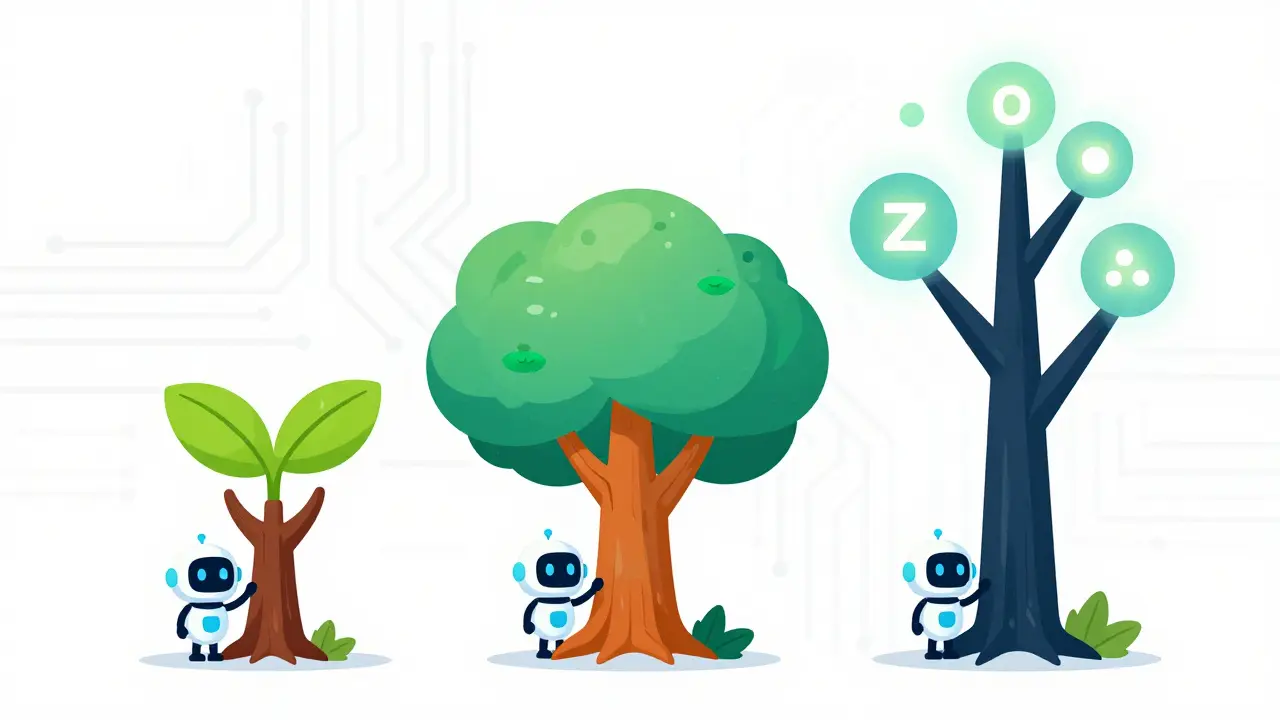
Zcash hasn’t stayed static since its launch in October 2016. The protocol has evolved through several generations of shielded pools to improve efficiency and security.
- Sprout: The original shielded pool. It used an early zk-SNARK construction that required a trusted setup ceremony. While groundbreaking, it was slow and resource-heavy.
- Sapling: A major upgrade that significantly reduced proving time and memory requirements. Sapling made shielded transactions practical on consumer hardware, even mobile devices.
- Orchard and Halo 2: Introduced in the NU5 network upgrade, the Orchard pool uses the Halo 2 recursive proof system. This is a big deal because it removes the need for new multi-party trusted setups for future upgrades, further improving efficiency and removing a potential single point of failure.
Each step forward has made Zcash faster, cheaper to use, and more secure. The move to Halo 2 specifically addresses concerns about the initial trusted setup ceremonies, which some critics worried could theoretically allow undetectable inflation if all participants were compromised.
Transparent vs. Shielded Addresses
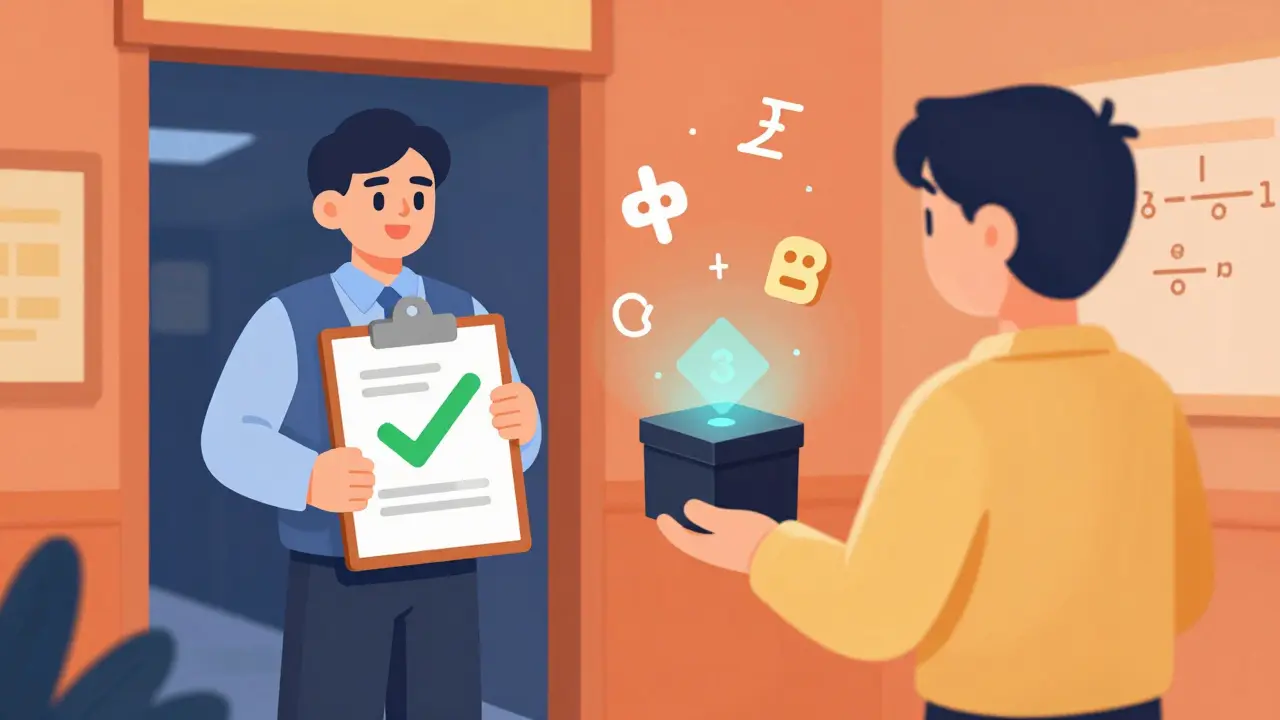
One unique feature of Zcash is optional privacy. You aren’t forced into anonymity. The network supports two types of addresses:
- Transparent Addresses (t-addresses): These behave exactly like Bitcoin addresses. All transaction details are visible on the public ledger. If you send ZEC from one t-address to another, anyone can trace it.
- Shielded Addresses (z-addresses): These receive and send encrypted "notes." When you use z-addresses, the sender, receiver, and amount are hidden. Only someone with a viewing key can see the details.
You can also mix them. For example, you might receive funds on a transparent address from an exchange and then send them to a shielded address for storage. However, be careful. Moving funds between transparent and shielded pools can sometimes leak metadata if not done correctly. True privacy requires staying within the shielded pool as much as possible.
| Aspect | Zcash | Bitcoin | Monero |
|---|---|---|---|
| Privacy Mechanism | zk-SNARKs (zero-knowledge proofs) | None built-in; pseudonymous UTXO ledger | Ring signatures, stealth addresses, confidential transactions |
| Default Privacy | Optional (Transparent or Shielded) | Fully Transparent | Private by default for all transactions |
| Verifiability | Full node verifies proofs without seeing data | Full transparency for all UTXOs | Auditing total supply is more complex |
| Regulatory Perception | Often categorized as a "privacy coin"; extra scrutiny | Baseline asset; widely listed | Similar privacy-coin scrutiny |
Pros and Cons of Using Zcash
Like any technology, Zcash has strengths and weaknesses. Understanding these helps you decide if it fits your needs.
The Advantages:
- Mathematical Privacy: When using shielded transactions, your privacy isn’t just obfuscation; it’s backed by rigorous cryptography. No amount of data analysis can break a valid zk-SNARK.
- Public Verifiability: Unlike off-chain mixers, Zcash operates on a public blockchain. The supply is publicly auditable via consensus rules, and nodes can verify correctness without seeing the underlying data.
- Fixed Supply: Like Bitcoin, Zcash has a hard cap of 21 million ZEC. This scarcity model appeals to those looking for a store of value with privacy features.
The Limitations:
- Complexity: Managing viewing keys, spending keys, and understanding the difference between t-addresses and z-addresses has a learning curve. Mistakes can lead to lost funds or leaked privacy.
- Resource Usage: Generating shielded proofs is more computationally intensive than simple transparent transactions. While Sapling and Orchard have improved this, it can still be slower on low-end devices.
- Exchange Support: Many centralized exchanges do not support shielded withdrawals or deposits due to regulatory pressure. You often have to withdraw to a personal wallet to enjoy full privacy.
- Adoption Rates: Because privacy is optional, many users stick to transparent addresses. This reduces the "anonymity set," making it easier for analysts to track shielded users if their entry or exit points are known.
Regulatory Landscape and Future Outlook
Privacy coins face significant headwinds. Regulatory bodies like the FATF (Financial Action Task Force) have issued guidance that puts pressure on exchanges to delist or restrict assets like Zcash. Countries such as Japan and South Korea have seen exchanges remove ZEC listings. This is a risk you must consider if liquidity and ease of access are priorities for you.
However, the technology behind Zcash is gaining traction elsewhere. Zero-knowledge proofs are becoming central to Ethereum rollups for scaling and identity systems. Zcash proved that zk-SNARKs could work at scale for real financial transactions, paving the way for broader adoption across the crypto industry.
Looking ahead, Zcash continues to refine its protocol. The focus remains on improving user experience so that shielded transactions become the norm rather than the exception. As ZK tooling matures, we may see easier integrations with cross-chain bridges and DeFi systems, expanding the utility of private digital cash.
Getting Started with Zcash
If you decide to try Zcash, here are the basics:
- Choose a Wallet: Download a wallet that supports shielded addresses. Look for official mobile or desktop clients that integrate Sapling or Orchard support. Avoid wallets that only handle transparent addresses if privacy is your goal.
- Acquire ZEC: Buy ZEC on an exchange that lists it. Be aware that you will likely receive it in a transparent address initially.
- Transfer to Shielded Address: Send your funds from the exchange to your personal shielded address. Note that this initial transfer is visible on the blockchain.
- Manage Keys: Understand the difference between your spending key (which allows you to send funds) and your viewing key (which allows you to see incoming transactions). Back both up securely.
The learning curve is moderate. Take your time reading the official documentation. Don’t rush. Privacy is only as good as your operational security.
Is Zcash completely anonymous?
Zcash provides strong confidentiality for shielded transactions, hiding sender, receiver, and amount. However, it is not perfectly anonymous. If you move funds between transparent and shielded addresses, or if your IP address is linked to your wallet, metadata can leak. True privacy requires careful usage patterns and staying within the shielded pool.
What is the difference between Sprout, Sapling, and Orchard?
These are different generations of Zcash's shielded pools. Sprout was the original, slow version. Sapling improved speed and efficiency, making mobile shielding possible. Orchard, introduced with the NU5 upgrade, uses the Halo 2 proof system, which is faster, more efficient, and removes the need for trusted setup ceremonies for future upgrades.
Can I use Zcash on all exchanges?
No. Due to regulatory pressure, many exchanges have delisted Zcash or only support transparent addresses. Always check if an exchange supports shielded withdrawals/deposits if you want to maintain privacy from the moment you acquire the coins.
What happens if I lose my viewing key?
If you lose your viewing key, you can still spend your funds using your spending key, but you won't be able to see incoming transactions or your balance in your wallet until you recover the viewing key. Always back up both keys securely.
Is Zcash legal?
Zcash itself is legal in most jurisdictions, but regulations vary. Some countries restrict trading or usage of privacy coins. Always check local laws regarding cryptocurrency and privacy-enhancing technologies before using Zcash.