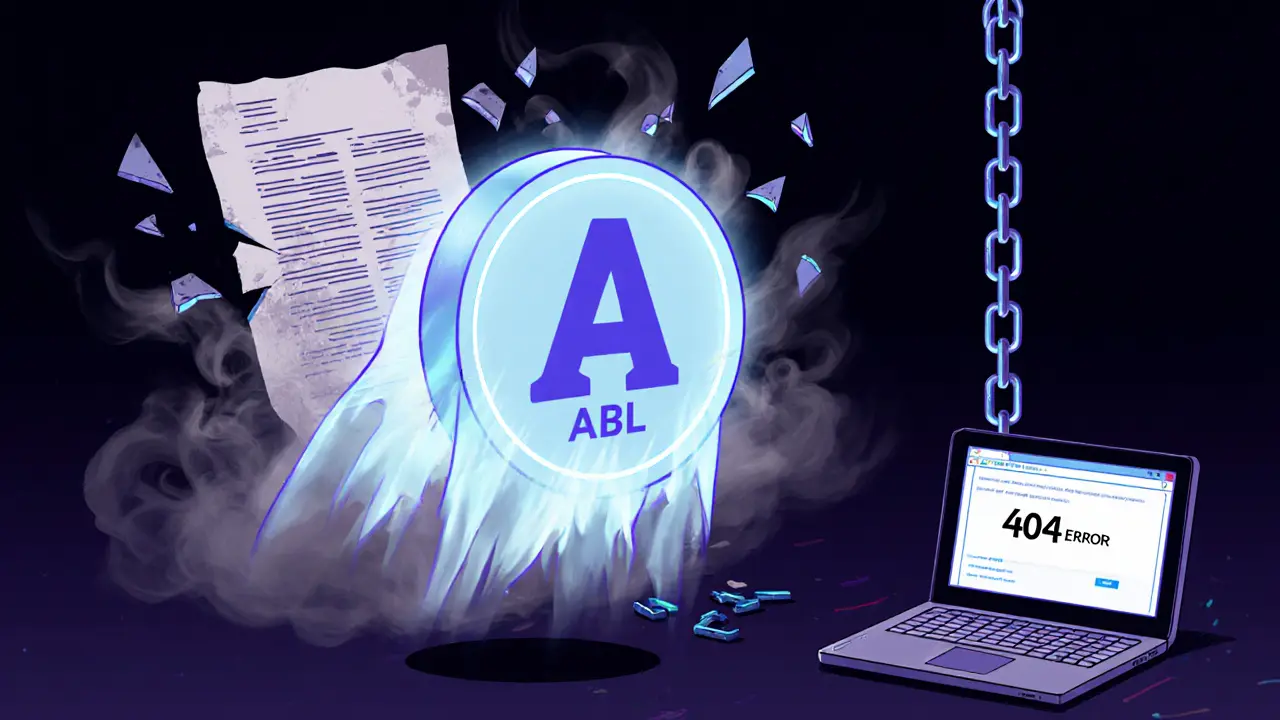
Airbloc Token: What It Is, Why It Mattered, and What Happened Next
When you hear Airbloc token, a blockchain-based identity and data-sharing protocol launched in 2017 that rewarded users for sharing their data with apps. Also known as ABL, it was one of the first projects to try paying people directly for their digital footprint—before most people even knew what data was worth. Unlike today’s meme coins with no utility, Airbloc had a real idea: let users control who sees their data and get paid for it. The token wasn’t just a speculative asset—it was meant to be the fuel for a new kind of internet where your identity wasn’t owned by Facebook or Google.
That idea tied directly to decentralized identity, a system where users own and manage their personal data without relying on centralized platforms. Airbloc built tools for apps to request verified user data—like age, location, or preferences—while keeping the actual info stored on the user’s device. The token, ABL, was used to pay users and compensate developers who built on the platform. It also had token vesting, a schedule that locked up team and investor tokens to prevent early dumps. That’s rare in crypto, where founders often cash out before the product even launches. Airbloc’s team held back, at least on paper.
But here’s the problem: no one used it. Even though the tech worked, users didn’t see the value in trading their data for tiny ABL rewards. Apps didn’t want the hassle of integrating it. By 2020, trading volume dropped to near zero. The team went quiet. The website vanished. Today, ABL is a ghost token—listed on a few obscure exchanges, worth pennies, with no active development. Its story isn’t unique. It’s a warning label for every new blockchain airdrop, a free token distribution meant to bootstrap adoption. Many airdrops today promise the same thing: "get paid for your data." But without real adoption, without a clear reason to use it, they’re just digital confetti.
That’s why the posts below matter. They don’t just list tokens—they dig into what actually happened. You’ll find real examples of tokens that looked promising but collapsed. You’ll see how vesting schedules were broken, how airdrops turned into scams, and how exchanges disappeared overnight. If you’ve ever wondered why some tokens rise and others vanish, the answers are here—not in hype, but in the messy, unglamorous truth of what works and what doesn’t.
Airbloc (ABL) is a nearly dead crypto token that promised a data marketplace but delivered nothing. With no development, zero community, and a market cap under $50K, it's a cautionary tale in crypto.