Blockchain Security: Protecting Smart Contracts and Crypto Assets
When working with Blockchain Security, the practice of safeguarding blockchain networks, smart contracts, and related assets from attacks, bugs, and fraud. Also known as crypto security, it helps developers, investors, and enterprises keep digital money safe while preserving trust in decentralized systems. Have you ever wondered why a $50 million rug‑pull can still happen after a code review? The answer is that security isn’t a one‑off checklist; it’s a continuous process that blends code analysis, threat modeling, and real‑world testing. In 2025, the market is buzzing with new audit platforms, AI‑driven scanners, and cross‑chain testing suites, all aiming to close the gaps that traditional static analysis missed. Understanding the landscape means knowing the core pieces that make up blockchain security – from the people who write the code to the tools that sniff out hidden bugs. Below we’ll break down the main moving parts so you can see where the risk lives and how to manage it before a hack hits your wallet.
One of the first pillars of Smart Contract Audit, a systematic review of contract code aimed at finding vulnerabilities, logic errors, and gas inefficiencies is the audit itself. A thorough audit looks at everything from re‑entrancy flaws to improper access controls, and it often ends with a public report that scores risk on a scale you can actually understand. Most projects treat this step as a prerequisite because Blockchain Security encompasses smart contract audits – without a solid audit, the rest of your defenses are built on shaky ground. In practice, you’ll see three typical tiers: a basic token review that might cost a few thousand dollars, a mid‑level DeFi protocol audit that runs into the low‑five‑figures, and an enterprise‑grade, multi‑chain audit that can top six figures. The pricing model is usually a mix of fixed fees plus a variable component based on lines of code, complexity, and the expected effort of manual testing.
Another key player in the space is DeFi Security, the set of practices, tools, and standards designed to protect decentralized finance applications from exploits and market manipulation. DeFi platforms often handle large pools of liquidity, so a single bug can cascade into massive losses across the ecosystem. Because of that, DeFi security influences blockchain security costs – a protocol with high TVL will usually face stricter audit requirements and higher fees. Common tools include automated fuzzers, formal verification engines, and runtime monitoring solutions that alert you when a contract behaves outside its expected parameters. Many auditors also run live testnet attacks to see how the system reacts under pressure. This hands‑on approach helps uncover issues that static analysis alone can’t catch, like price‑oracle manipulation or flash‑loan attacks that only surface in real market conditions.
Finally, let’s talk about Blockchain Audit Fees, the cost structure that covers labor, tooling, reporting, and post‑audit support for blockchain security assessments. Understanding these fees is crucial for budgeting, especially if you’re a startup trying to allocate runway. Typical fee components include a base price for code review, a premium for multi‑chain support, and optional add‑ons like post‑audit monitoring or a bounty program to incentivize external researchers. Hidden costs can pop up in the form of revision rounds—most audits include at least two cycles of feedback, but deeper changes can drive the price up quickly. A practical checklist to keep fees in check is to get clear scope definitions, request a detailed breakdown before signing, and ask for a flat‑rate option if you expect many iteration cycles. By mastering the fee landscape, you can avoid nasty surprises and ensure your security investment actually protects the value you’ve built.
Below you’ll find a curated collection of articles that dig into each of these topics in depth. From a 2025 breakdown of audit pricing to a step‑by‑step budgeting guide, we’ve gathered the insights you need to make informed decisions about protecting your blockchain projects. Ready to see how the numbers stack up and what you should look for in a reputable audit partner? Keep scrolling to explore the full set of resources we’ve assembled just for you.
Discover how blockchain transforms Digital Rights Management (DRM) by securing ownership, automating royalties via smart contracts, and reducing costs. Learn the pros, cons, and real-world examples of this decentralized approach.
Learn how soft fork backward compatibility allows blockchains to upgrade securely without splitting the network. We explain the mechanics, compare soft vs hard forks, and analyze real-world examples like SegWit.
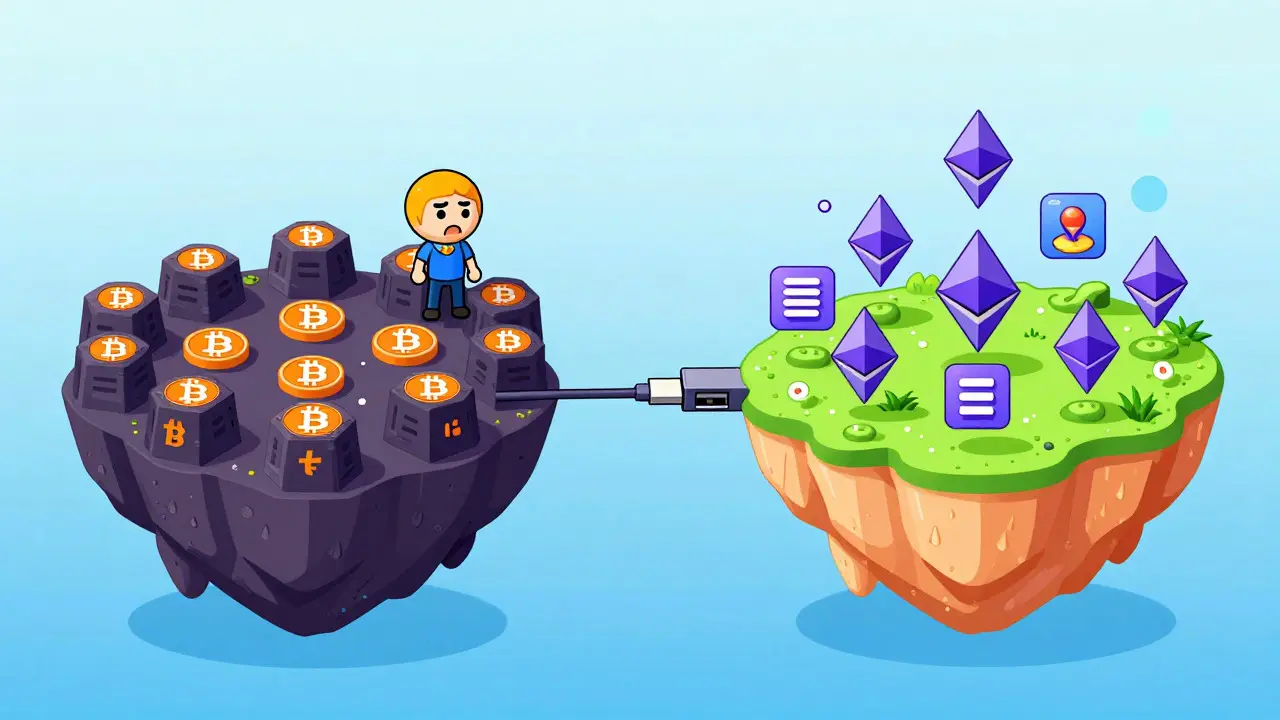
Learn how blockchain bridges enable asset transfer between different networks using lock-and-mint mechanisms. Understand wrapped tokens, security risks, and how to use cross-chain protocols safely.
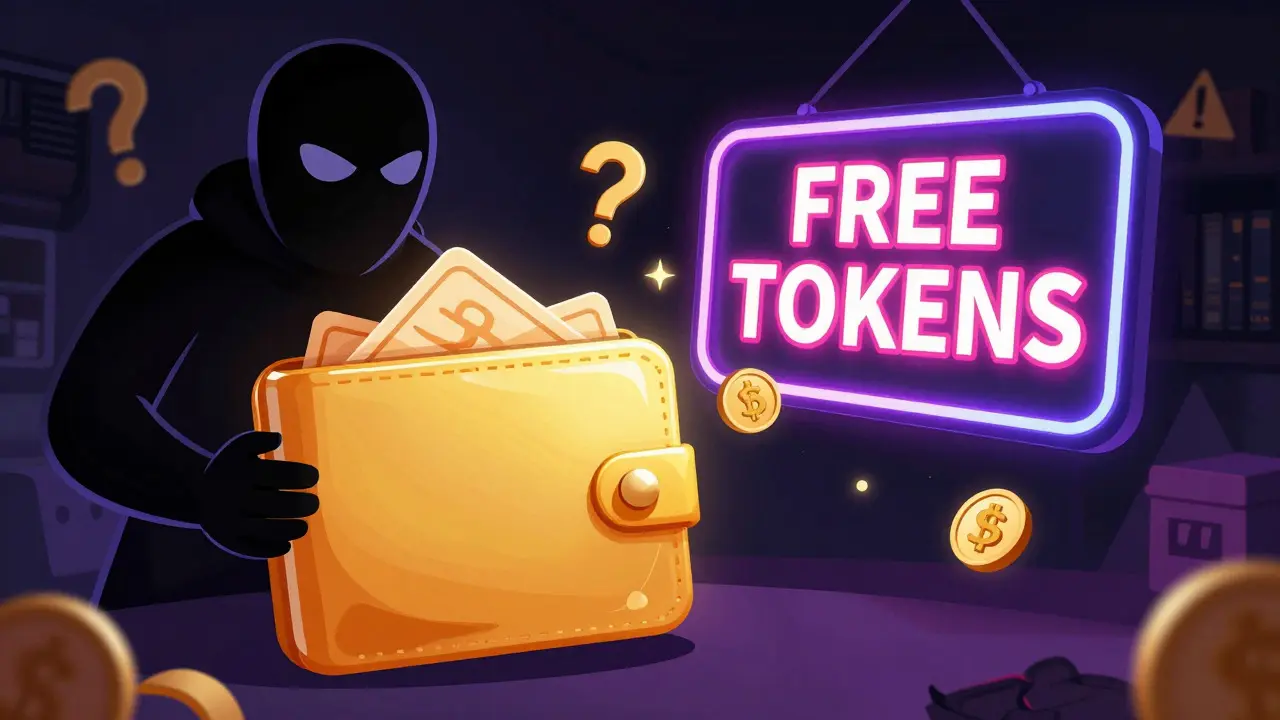
Investigating the Leonicorn Swap (LEOS) New Year Airdrop. We analyze red flags, verify legitimacy, and provide safety tips to avoid common DeFi scams.
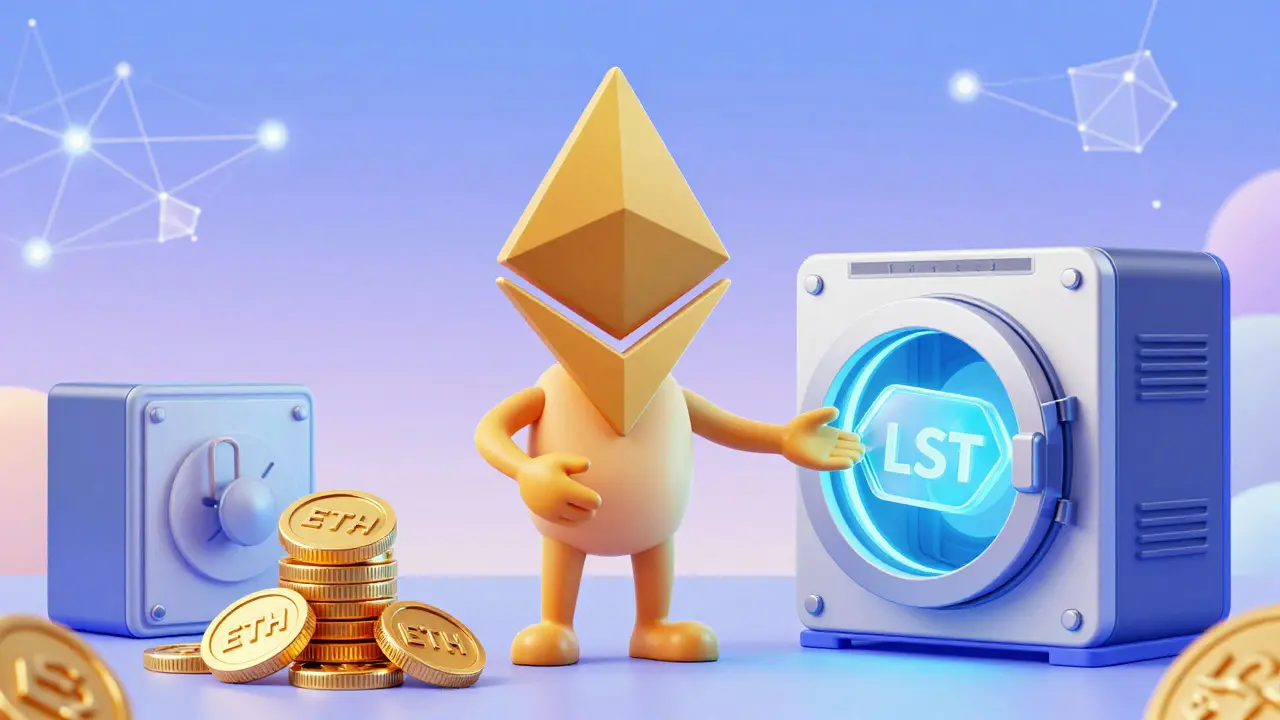
Explore how liquid staking unlocks capital efficiency in DeFi. Learn the mechanics of LSTs, compare cToken vs aToken models, and understand the risks and benefits of composability.
Compare Chainalysis and Elliptic, the top blockchain forensics tools for crypto tracing. Learn about their capabilities in AML compliance, privacy coin tracking, and real-time monitoring.
Discover how P2P networks form the decentralized backbone of cryptocurrencies like Bitcoin and Ethereum, enabling trustless transactions, resilience against censorship, and global financial inclusion without central authorities.
Discover how Arweave provides permanent, decentralized data storage. Learn about the Blockweave architecture, the one-time payment model, and why it's crucial for Web3 and digital archiving.
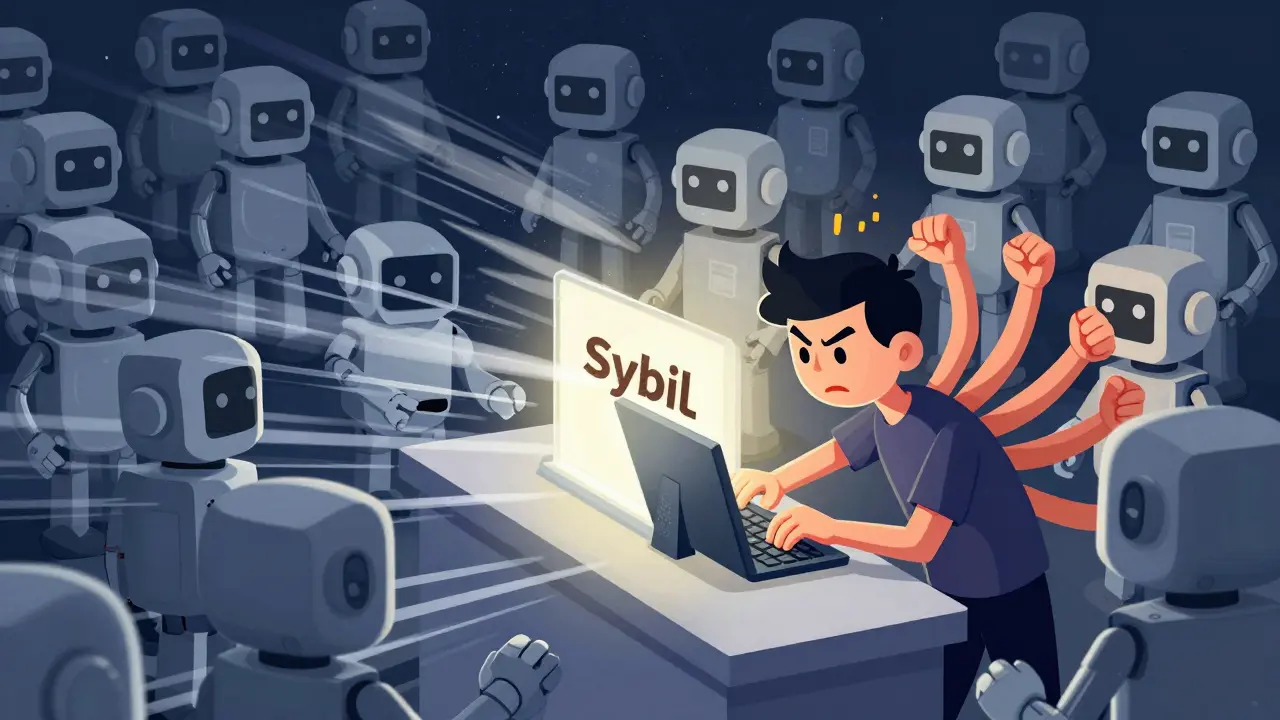
Learn how Sybil resistance stops fake identities in Web3. Explore reputation systems, zero-knowledge proofs, and machine learning defenses against network manipulation.
The 'Sonar Holiday airdrop' by 'Unknown' is a scam. Learn how to spot fake crypto giveaways, protect your wallet, and find legitimate Solana airdrops in 2026.
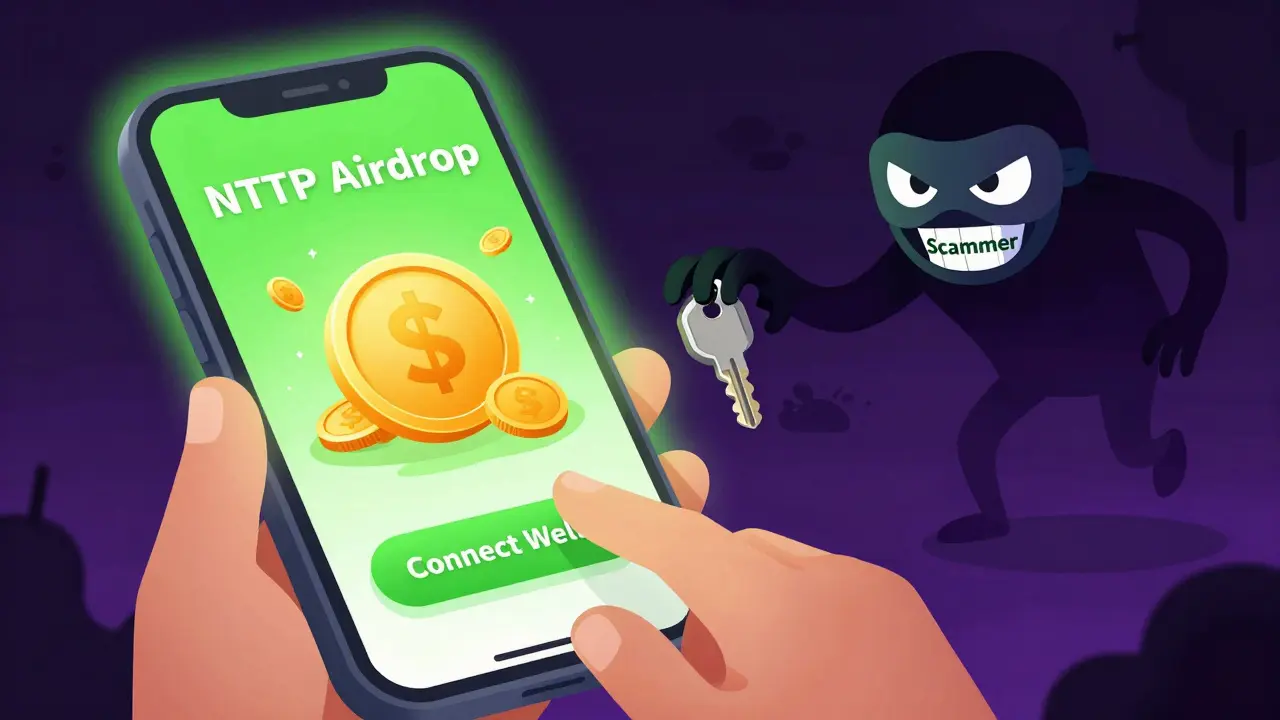
Is the NFTP airdrop by NFT TOKEN PILOT real? We investigate the red flags, explain how these scams work, and provide a safety guide to protect your crypto wallet from fraud.
Compare 2-of-3 vs 3-of-5 multisig wallets. Learn why 2-of-3 is the industry standard for Bitcoin security, balancing ease of use with robust protection against theft and loss.