Top BaaS Providers 2025: Backend, Banking & Blockchain
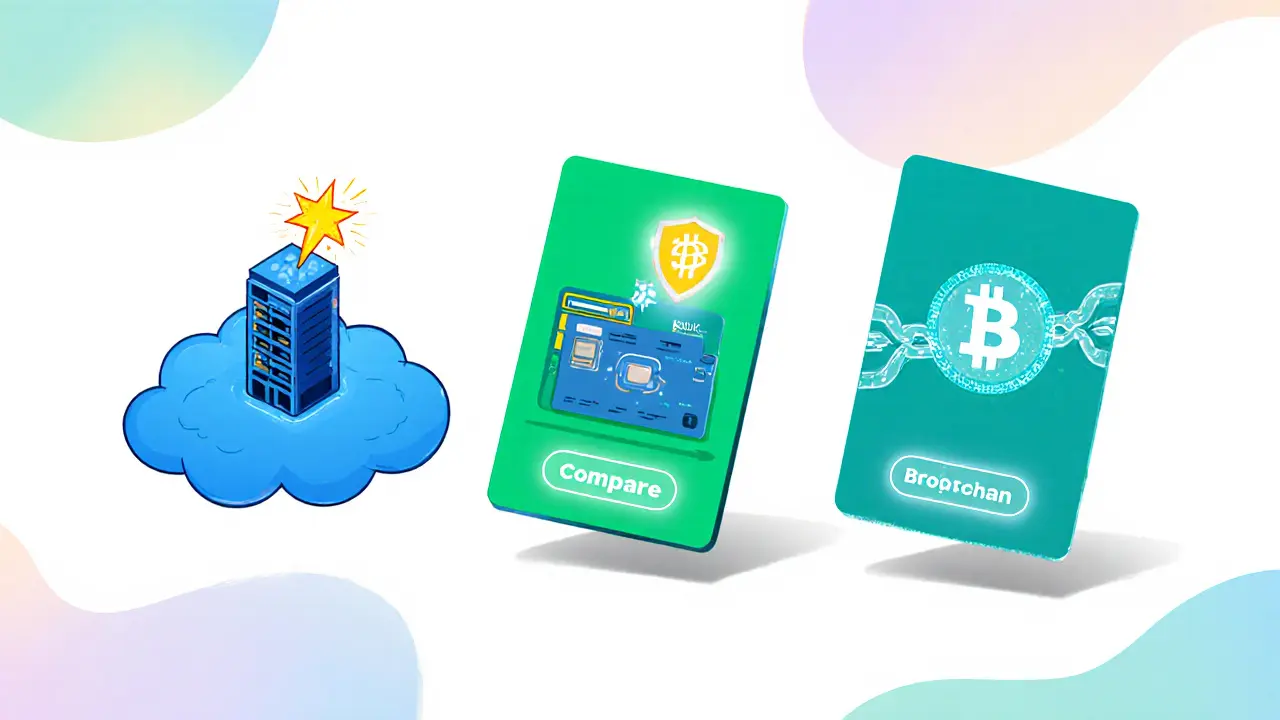
Explore the leading Backend, Banking, and Blockchain as a Service providers in 2025, compare features, pricing, and learn how to pick the right solution for your project.

When working with Banking as a Service, a cloud‑based model that lets companies embed banking features such as accounts, payments, and compliance into their products. Also known as BaaS, it enables rapid launch of financial services without obtaining a traditional bank license, you instantly see how it encompasses digital account provisioning, real‑time transaction processing, and regulatory reporting. Decentralized Finance, the blockchain‑driven ecosystem of peer‑to‑peer financial services often builds on BaaS APIs to create on‑chain lending, while KYC verification, the identity‑check process required by law becomes a mandatory layer that BaaS providers must integrate.
BaaS platforms deliver a suite of programmable interfaces: account‑creation endpoints, transaction engines, risk‑assessment modules, and compliance dashboards. These components let developers focus on user experience rather than back‑office plumbing. At the same time, regulatory compliance shapes every API call – licensing rules, anti‑money‑laundering (AML) checks, and data‑privacy mandates dictate how data moves across borders. Regulatory compliance, the set of laws and standards governing financial services thus influences BaaS architecture, forcing providers to build auditable logs and real‑time reporting tools.
Crypto exchanges, payment gateways, and GameFi projects all need a trustworthy way to onboard users, hold fiat balances, and move money quickly. By integrating a BaaS solution, a crypto exchange can streamline user onboarding, automate KYC checks, and instantly issue virtual IBANs for deposits. This requires robust KYC verification and ties directly into the broader regulatory compliance landscape. Meanwhile, DeFi platforms leverage BaaS to offer hybrid products – for example, a lending protocol that settles interest in stablecoins backed by a BaaS‑issued escrow account. In both cases, the relationship between BaaS and blockchain‑based services drives faster product cycles and lowers entry barriers.
Real‑world use cases illustrate the versatility of BaaS. Fintech startups launch fully licensed debit cards within weeks, using BaaS APIs to generate account numbers and process ACH transfers. Neobanks embed savings‑goal features without building a core banking system from scratch. Gaming studios add in‑game wallets, letting players earn, spend, and cash out crypto rewards seamlessly. Each scenario shows how BaaS enables rapid feature delivery, while still meeting AML and KYC obligations.
Challenges remain. Data security is paramount; a breach could expose millions of financial records. Providers must encrypt data at rest and in transit, and enforce strict access controls. Jurisdictional differences add complexity – a BaaS solution compliant in Europe may need additional licensing for the U.S. market. Integration overhead can also spike if a company attempts to connect legacy core systems with modern APIs. Understanding these hurdles helps businesses choose the right BaaS partner and plan for scalability.
Below you’ll find a curated collection of articles that dive deeper into each of these angles – from DeFi vs. traditional finance debates and blockchain‑based KYC methods to real‑world exchange reviews and regulatory guides. Whether you’re a developer building the next fintech app or an analyst tracking how BaaS reshapes the financial landscape, the resources here will give you actionable insight and concrete examples to move forward.
Explore the leading Backend, Banking, and Blockchain as a Service providers in 2025, compare features, pricing, and learn how to pick the right solution for your project.