Base Network: What It Is, Why It Matters, and What’s Really Happening on Chain
When you hear Base network, a fast, low-cost Ethereum Layer 2 blockchain backed by Coinbase. Also known as Base chain, it’s not another experimental chain—it’s a working infrastructure built to handle real users, not just speculation. Unlike other L2s that promise speed but deliver slow confirmations, Base network processes transactions in under a second with fees under a penny. It’s not trying to replace Ethereum—it’s making Ethereum usable for everyday trading, swapping, and holding.
Base network doesn’t exist in a vacuum. It’s tied to Coinbase, the largest U.S. crypto exchange. This connection means new tokens often launch here first because Coinbase’s 100+ million users can easily access them without leaving their app. It’s also linked to Ethereum L2, a category of blockchains that reduce congestion and cost on Ethereum’s mainnet. But unlike Arbitrum or Optimism, Base is open by design: any developer can build, any wallet can connect, and any token can list—no gatekeepers, no permission slips.
What you’ll find in these posts isn’t hype. It’s the truth behind the noise. You’ll see how Base network became the home for tokens that actually trade—not ghost projects with fake volume. You’ll learn why some DeFi apps moved here from Ethereum because gas fees made their users flee. You’ll see which tokens got real traction here, and which ones vanished after a quick pump. Some posts dive into exchanges built on Base, like PartySwap, that let you swap tokens across chains without bridging. Others expose dead projects like CherrySwap that pretended to be on Base but had zero users. There’s even a breakdown of how Base’s low fees changed the game for small traders who used to get priced out of every transaction.
This isn’t a guide for crypto newbies who just want to know what blockchain means. This is for people who’ve seen too many chains come and go—and want to know which one actually works. Base network isn’t perfect. It’s not fully decentralized yet. But it’s the only Layer 2 where you can actually find trading volume, real developers, and active wallets—not just marketing slides. If you’re looking for where crypto is moving now, not where it was promised to go, you’re in the right place.
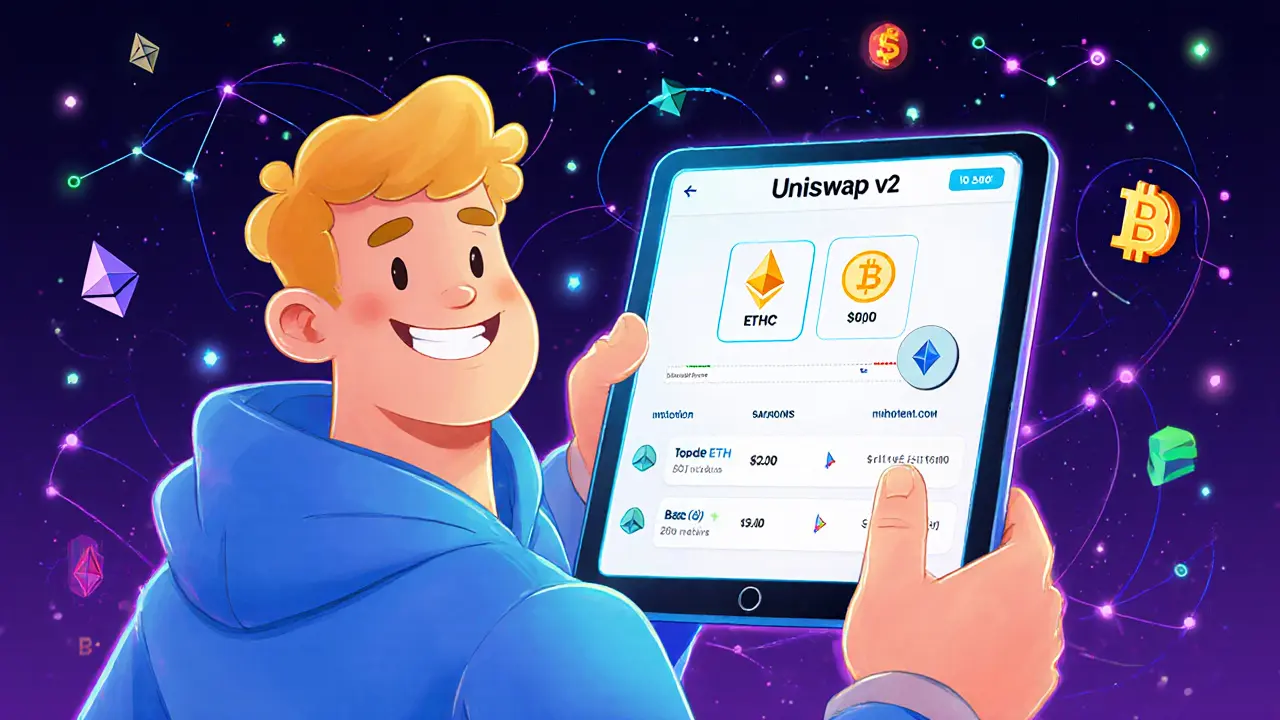
Uniswap v2 on Base is a simple, reliable decentralized exchange for swapping crypto tokens without intermediaries. With low fees and broad token support, it’s still the best choice for beginners and experienced traders alike in 2025.