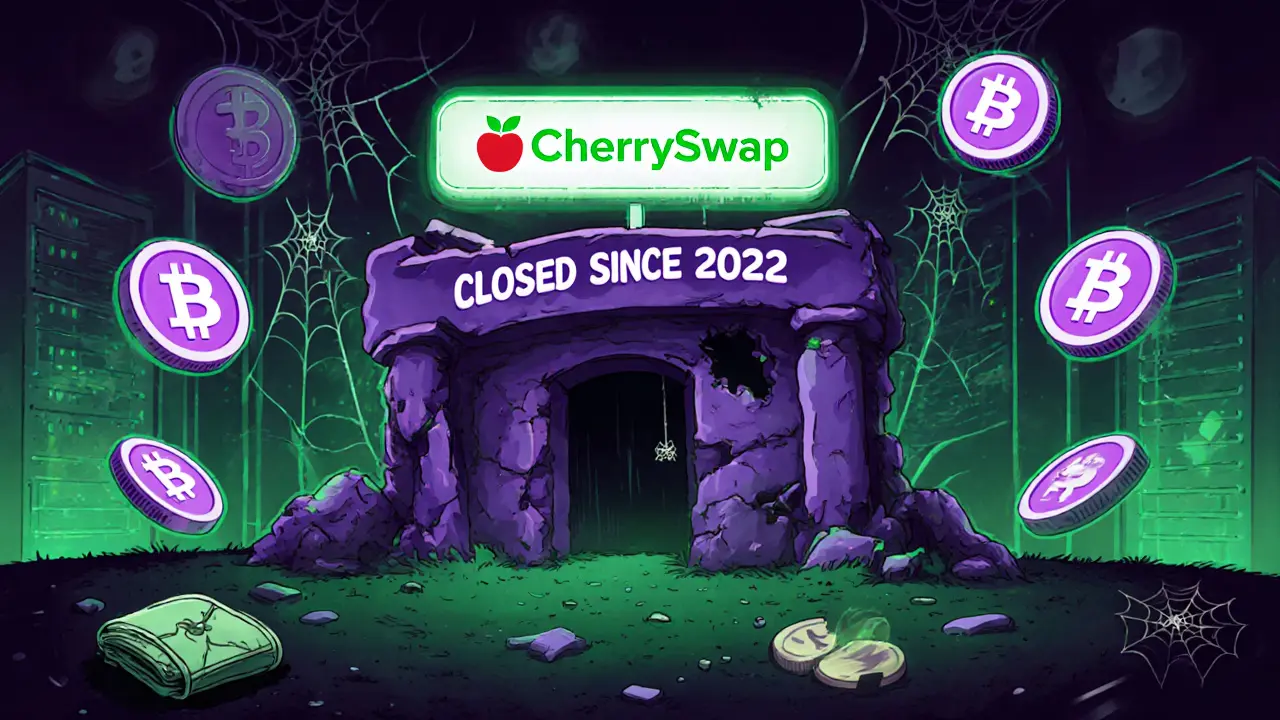
CherrySwap DEX: What It Is, Risks, and How It Compares to Other DeFi Platforms
When you trade crypto on a CherrySwap DEX, a decentralized exchange built for peer-to-peer token swaps without a central authority. Also known as CherrySwap, it lets users trade directly from their wallets using smart contracts—no sign-up, no KYC, no middleman. That sounds simple, but not all DEXs are created equal. CherrySwap DEX operates on the Binance Smart Chain, which keeps fees low but introduces its own risks, like smart contract bugs and low liquidity. Unlike giants like Uniswap or PancakeSwap, CherrySwap doesn’t have major exchange listings or deep trading volume. That means slippage can be brutal, and your trade might not even go through if the pool is thin.
What makes a DEX like CherrySwap worth using? Mostly, it’s the promise of early access to new tokens. But if you look at the data from similar platforms—like Archer Swap (BOW) or Airbloc (ABL)—you’ll see a pattern: low volume, no community, and little development lead to tokens that vanish. CherrySwap DEX has been around long enough to have a track record, and the lack of public audits or team transparency raises red flags. It’s not labeled a scam, but it doesn’t meet the standards of platforms like COREDAX or DIFX, where at least some security checks exist. If you’re using CherrySwap, you’re betting on a niche project with minimal oversight. That’s fine if you’re experimenting with small amounts—but treat it like a high-risk side bet, not a core holding.
DeFi platforms like CherrySwap DEX rely on liquidity pools, smart contract-based reserves where users lock up tokens to enable trading. But if no one adds liquidity, the pool dries up. That’s exactly what happened to tokens like Isabelle (BELLE) and Airbloc (ABL)—they had pools, but no traders. CherrySwap DEX’s success depends entirely on whether users keep depositing and swapping. Right now, the activity is quiet. You won’t find it mentioned in major crypto news, and there’s no evidence of active development. Compare that to DeFi lending protocols, systems like Aave or Compound that let users earn interest on crypto deposits, which face constant scrutiny and audits. CherrySwap doesn’t offer lending, staking, or governance. It’s just a swap tool—and a risky one at that.
So why does CherrySwap DEX still exist? Because there’s always someone looking for the next hidden gem. But history shows most of these projects fade fast. If you’re considering it, check the token’s trading volume on DEX Screener, look for recent transactions, and ask: is this just a ghost pool with a pretty logo? The posts below dig into exactly this kind of situation—low-liquidity tokens, unverified DEXs, and the real cost of chasing low-volume trades. You’ll see how other platforms failed, what to watch for, and how to avoid turning your wallet into a graveyard of dead tokens.
CherrySwap was promoted as a low-fee DEX with yield farming and NFT features, but as of 2025, it has zero trading volume, no working website, and no verifiable audits. It's a dead project with no real users or liquidity.