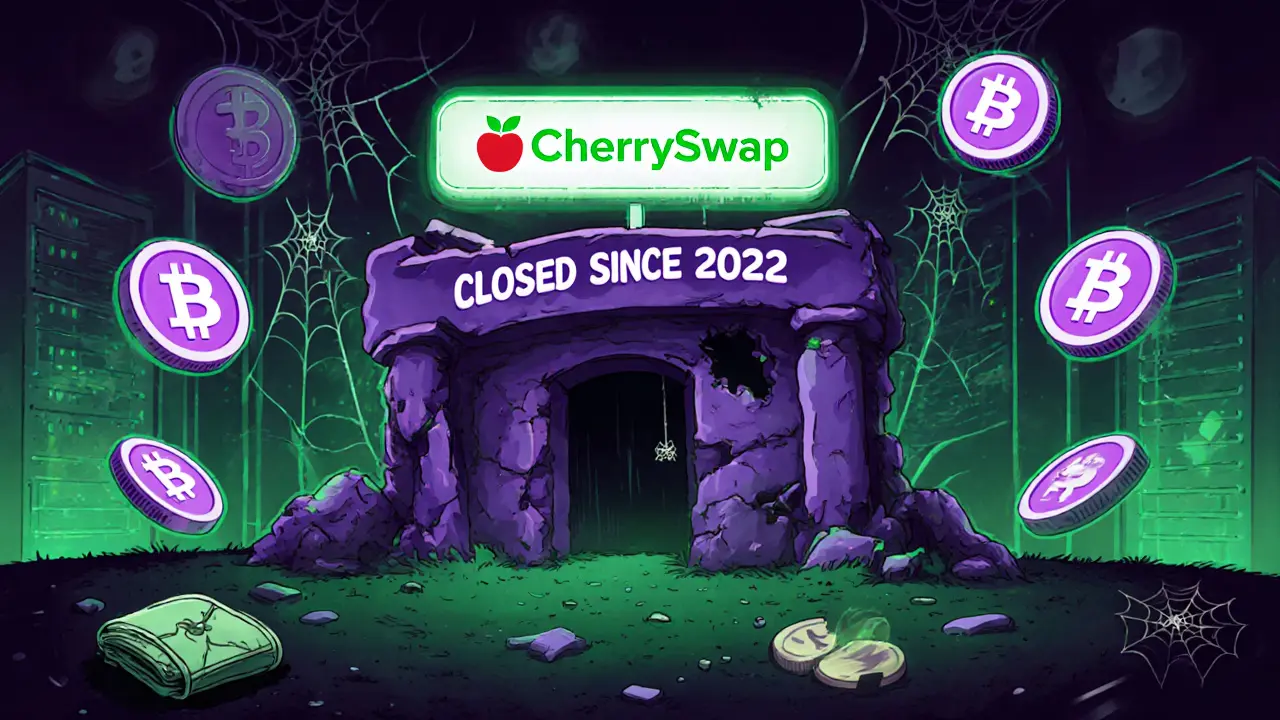
CherrySwap Trading: What You Need to Know About This DeFi Exchange
When you trade on CherrySwap, a decentralized exchange built for niche crypto tokens with minimal mainstream support. Also known as a low-volume DEX, it lets users swap tokens without intermediaries—but that freedom comes with serious trade-offs. Unlike big platforms like Uniswap or PancakeSwap, CherrySwap doesn’t have deep liquidity pools, major exchange listings, or strong community backing. Most tokens listed there have under $100K in daily volume, if any. That means even small trades can cause wild price swings, and you might not be able to exit your position when you want to.
CherrySwap trading often attracts users chasing high-risk, high-reward tokens—like memecoins or newly launched projects with no real product. Many of these tokens vanish after a quick pump, leaving traders stuck. This isn’t speculation; it’s documented. Posts on DexViews show similar platforms like Archer Swap (BOW) and Airbloc (ABL) collapsing after initial hype, with zero trading activity and no development updates. CherrySwap operates in the same space: minimal oversight, no audits required, and no regulatory guardrails. If you’re trading there, you’re not just betting on price—you’re betting on the project’s survival.
What makes CherrySwap different from other DEXs isn’t its tech—it’s its audience. It’s not for beginners. It’s not for long-term holders. It’s for people who know how to read on-chain data, check token vesting schedules, and spot dead projects before they’re delisted. The platform doesn’t warn you when a token has no liquidity or when the team has vanished. You have to find that out yourself. That’s why traders who use CherrySwap successfully treat it like a forensic tool: they dig into contract addresses, track wallet movements, and avoid anything with a market cap under $50K.
There’s also the risk of fake listings. Scam tokens often appear on CherrySwap because it’s easy to deploy an ERC-20 token and list it. No one checks if the project has a website, a team, or even a whitepaper. You’ll find tokens with names that sound like real projects but have zero social presence. One recent post on DexViews exposed a token called Isabelle (BELLE) that claimed emotional storytelling but had zero trading volume and no exchange support. It was dead on arrival. CherrySwap is full of these ghosts.
So why do people still trade there? Because sometimes, a token on CherrySwap becomes the next big thing. Rarely. But it happens. The key is knowing the difference between a hidden gem and a trap. Look for tokens with active development, locked liquidity, and real community engagement—not just a Twitter account with 200 followers. Check if the token is listed anywhere else. If it’s only on CherrySwap, you’re taking a huge risk.
CherrySwap trading isn’t a strategy—it’s a survival game. You need to know what you’re looking at before you click ‘swap.’ The posts below break down real cases: tokens that died on CherrySwap, exchanges that look similar but are outright scams, and how to spot the warning signs before you lose money. You won’t find a guide that says ‘buy this.’ But you will find the facts that help you avoid the next big loss.
CherrySwap was promoted as a low-fee DEX with yield farming and NFT features, but as of 2025, it has zero trading volume, no working website, and no verifiable audits. It's a dead project with no real users or liquidity.