Crypto Leverage: How It Works, Risks, and What You Need to Know
When you trade with crypto leverage, a trading method that lets you borrow funds to increase your position size beyond your actual capital. Also known as margin trading, it’s like renting extra power to push your trades further—but if the market moves against you, you don’t just lose your money, you owe more. This isn’t just for big institutions. On platforms like COREDAX and other DeFi exchanges, everyday traders use leverage to try and turn small investments into big wins. But here’s the catch: leverage doesn’t just double your profit potential—it doubles your risk too.
Most people don’t realize how quickly leverage can wipe out an account. A 10% drop in price with 5x leverage means you lose 50% of your stake. With 10x, you’re gone. That’s why you’ll see posts here breaking down risky tokens like Archer Swap (BOW) or Donkey King (DOKY)—low-volume, low-liquidity coins are perfect targets for leveraged trades, and also the first to collapse when the market shifts. Leverage doesn’t care if a coin has a clean audit or a fancy roadmap. It only cares about price movement. And when liquidity dries up—like with many tokens on smaller exchanges—leverage turns into a trap.
It’s not just about the coin. It’s about the exchange. Platforms like Bitbaby Exchange or those flagged in India’s compliance reports often lack proper risk controls, making leveraged trades even more dangerous. Even if you’re trading on a legit site, leverage can expose you to liquidation, funding rates, and hidden fees that eat into your returns. You need to understand how margin trading, the practice of borrowing funds to trade crypto with amplified exposure. Also known as leveraged crypto, it’s central to high-risk DeFi strategies. works before you click ‘buy.’ And you need to know how DeFi leverage, the use of smart contracts to borrow and trade crypto without traditional intermediaries. Often found on platforms like Archer Swap or COREDAX, it’s faster but far less regulated. differs from exchange-based leverage. One is built into the protocol, the other is a service offered by a company. One can freeze your funds. The other can shut down overnight.
What you’ll find in the posts below aren’t hype guides or get-rich-quick tips. They’re real breakdowns of what happens when leverage meets weak projects, unstable markets, and unregulated platforms. You’ll see how vesting schedules, exchange delistings, and regulatory crackdowns can trigger cascading liquidations. You’ll learn why some airdrops—like those tied to low-liquidity tokens—are used as bait for leveraged trades. And you’ll see how even Bitcoin’s new highs don’t protect you if you’re over-leveraged on a token with zero trading volume. This isn’t about guessing the market. It’s about understanding the tools you’re using—and why most people lose with them.
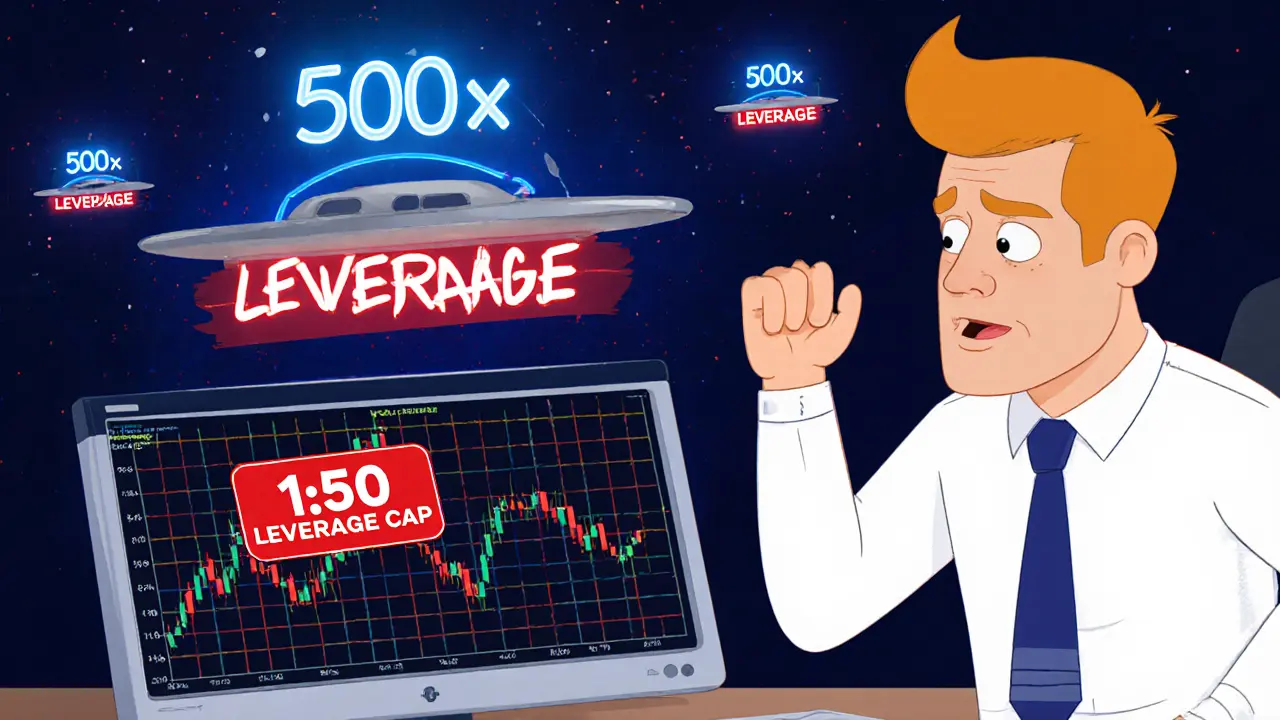
In 2025, leverage trading regulations are splitting into two worlds: strict caps in U.S. forex and wild 500x leverage in crypto. Traders need to understand jurisdiction rules, dynamic margins, and new risk tools to survive.