Crypto Restrictions: What They Are, Where They Apply, and How They Impact You
When we talk about crypto restrictions, government rules that limit or block the use, trading, or mining of cryptocurrencies. Also known as cryptocurrency regulation, these rules vary wildly—from outright bans to strict licensing systems that force exchanges to jump through hoops. This isn’t just about politics. It’s about your money, your access, and your ability to move value without permission.
Crypto restrictions don’t just target exchanges. They hit miners, users, and even developers. In Iran, low electricity costs made it a hotspot for Bitcoin mining, but the government now controls who can mine and how much power they can use. In Vietnam, a new 2025 directive demands $379 million in capital just to operate an exchange, and only local currency trades are allowed. Meanwhile, India, has no outright ban but pushes exchanges to comply with financial intelligence units, forcing many to shut down or leave. These aren’t random policies—they’re deliberate moves to control financial flows, tax income, or protect traditional banking.
It’s not just about where you live. If you’re using a platform like Bitbaby Exchange or COREDAX, you’re already inside a regulatory gray zone. Some exchanges avoid compliance by hiding behind offshore servers. Others, like those in Switzerland, follow clear licensing rules under FINMA, making them safer but more expensive to run. The result? You can’t assume your favorite app is safe just because it works today. One new law, one executive order, and your access could vanish overnight.
And it’s not just about trading. If you’re holding tokens like BOW, GOT, or PAL, you’re dealing with assets that might not even be legal in your country. Many of these coins have zero support on major exchanges like Coinbase—not because they’re bad, but because regulators won’t approve them. That’s a hidden risk: even if a token looks promising, if it’s blocked by crypto restrictions, you won’t be able to cash out.
Some countries, like Jordan and Venezuela, are trying to turn crypto into a state-controlled system. They don’t ban it—they license it. You can mine or trade, but only if you follow their rules, pay their fees, and report every transaction. It’s not freedom—it’s surveillance with a blockchain twist.
What you’ll find below isn’t just a list of articles. It’s a map of where crypto restrictions are tightening, who’s getting squeezed, and how to spot the red flags before your wallet gets locked out. From scam exchanges flagged by regulators to mining laws that look like loopholes but are really traps, these posts show you the real-world impact of rules most people never see coming.
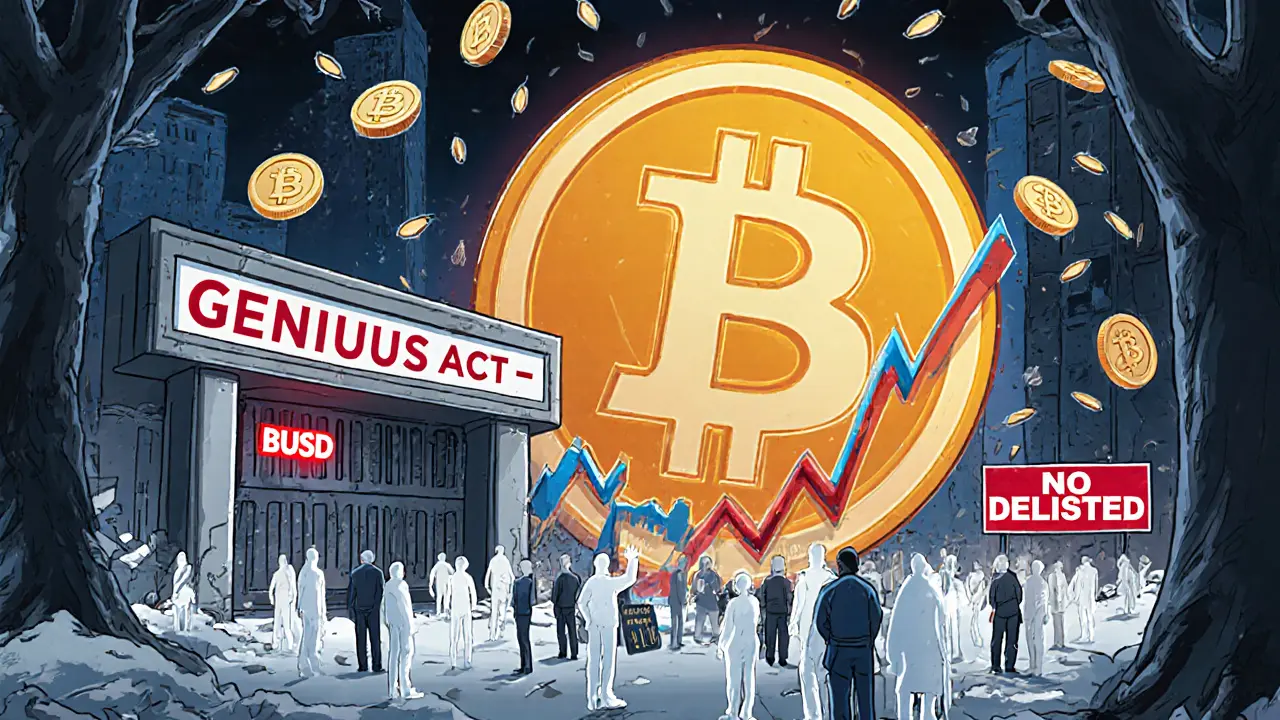
Crypto trading volume dropped nearly 28% in Q2 2025 despite Bitcoin hitting new highs. Why? New regulations forced exchanges to delist tokens and restrict users. This isn't a market crash-it's a painful but necessary shift toward compliance.