DAO Treasury Security: Protecting Crypto Funds from Hacks and Insider Threats
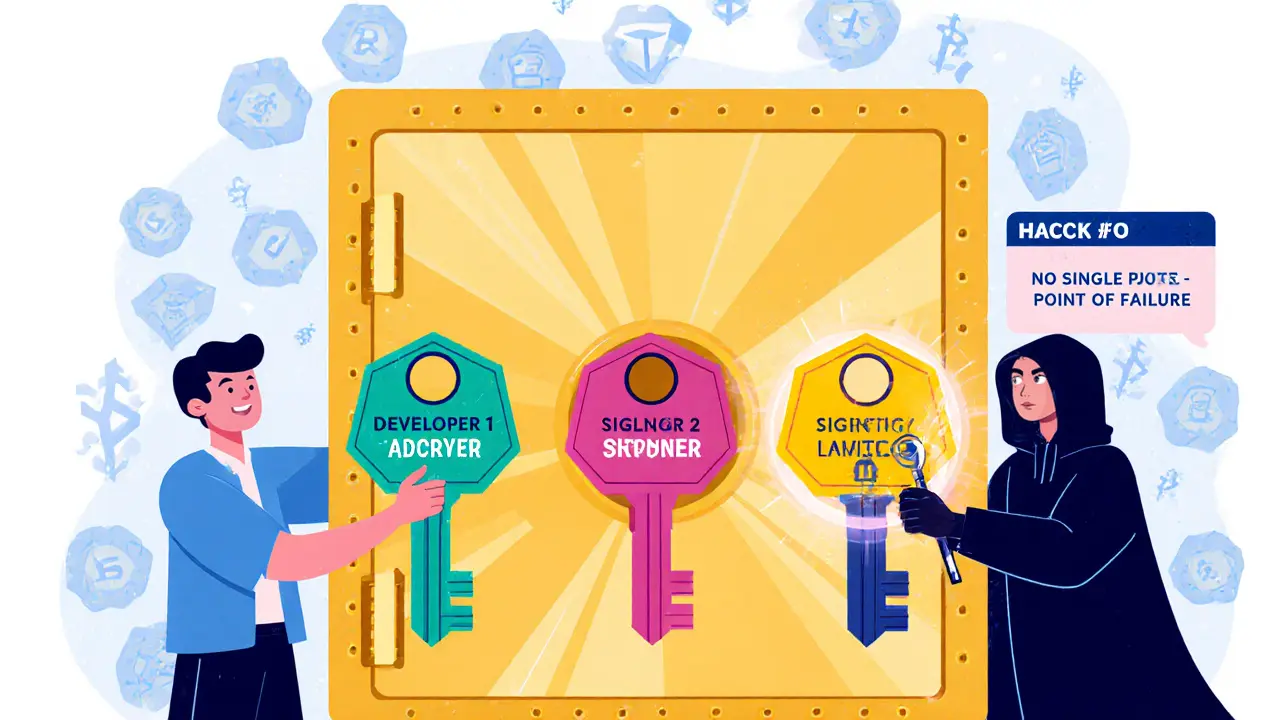
When a DAO treasury, a decentralized organization’s digital wallet holding crypto assets like ETH, USDC, or native tokens gets hacked, it’s not just a loss of money—it’s a collapse of trust. These treasuries aren’t locked in banks. They’re controlled by code, voted on by members, and often hold millions in assets. One slip-up, one buggy contract, one compromised multisig key, and everything can vanish. That’s why DAO treasury security, the practice of safeguarding decentralized funds through audits, multisignature controls, and governance rules isn’t optional. It’s the difference between a thriving community and a dead project.
Most DAO hacks don’t come from outside attackers. They come from within. A poorly designed voting system lets a single member drain funds. A multisig wallet with only 3-of-5 signers? If one key holder gets phished, the whole treasury is exposed. Even smart contract vulnerabilities, flaws in the code that runs a DAO’s treasury, like reentrancy bugs or unchecked external calls can be exploited. Look at past incidents: a DAO lost $60M because its withdrawal function didn’t check balances before sending. Another lost $40M because its governance proposal could be submitted by anyone, even without voting power. These aren’t edge cases. They’re common mistakes. And they’re avoidable. Real security means using audited, battle-tested libraries like OpenZeppelin, enforcing time locks on large withdrawals, and requiring multi-party approvals for every transaction. It also means tracking who has access, how often keys are rotated, and whether governance votes are transparent and verifiable.
Some DAOs treat their treasury like a checking account. Others treat it like a fortress. The ones that survive use layered defenses: cold storage for the bulk, hot wallets only for daily ops, insurance pools for backup, and on-chain monitoring tools that alert members to unusual activity. You can’t stop every attack, but you can make it so expensive and slow that attackers move on. The best treasuries also have clear rules: no single person controls more than 10% of signing keys, all proposals are public for 72 hours, and emergency pauses can be triggered by a supermajority. This isn’t theory. It’s what’s working today. Below, you’ll find real examples of DAOs that got it right—and others that lost everything because they didn’t. No fluff. Just what happened, why it happened, and how to keep your funds safe.
MultiSig wallets protect DAO treasuries by requiring multiple approvals for transactions, preventing hacks, reducing single points of failure, and meeting regulatory standards. Gnosis Safe leads adoption with 68% market share.