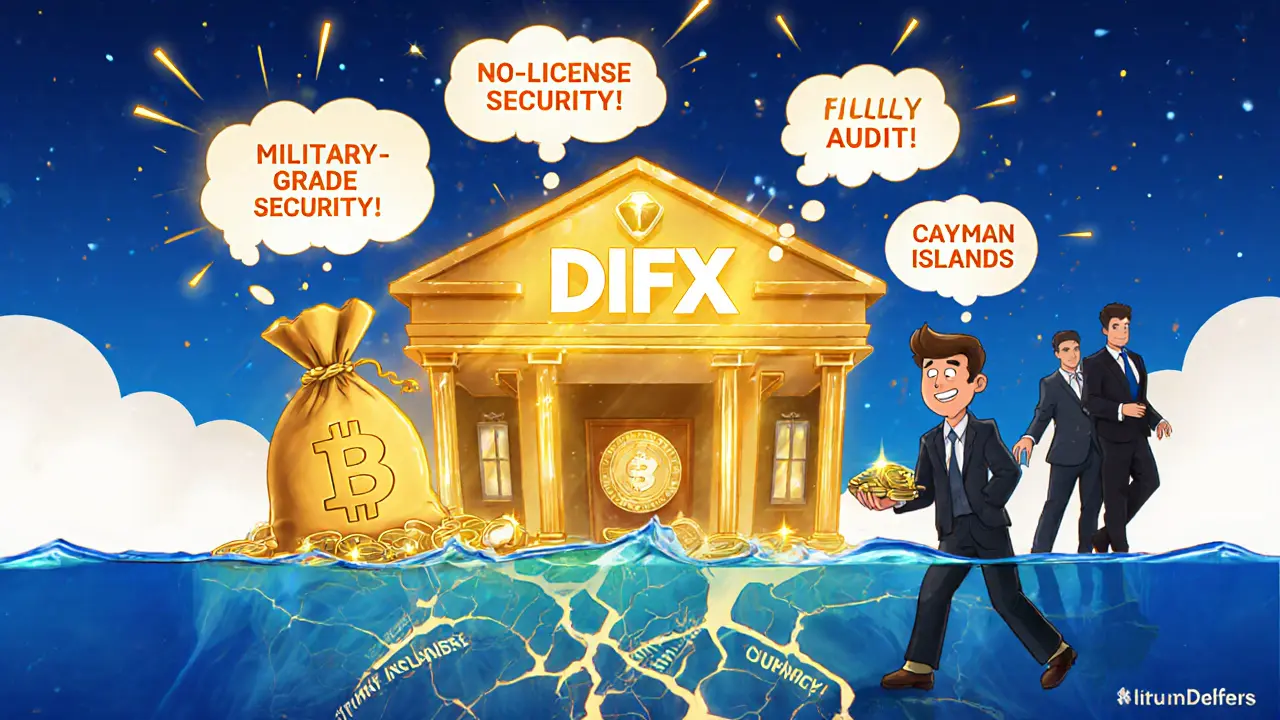
DIFX Crypto: What It Is, Why It Matters, and What You Should Know
When you hear DIFX crypto, a term often used in misleading crypto forums and fake airdrop sites. Also known as DIFX token, it appears to be a decentralized finance project but has no verified blockchain presence, no exchange listings, and no public development team. This isn’t just another obscure coin—it’s a classic example of a ghost token, a crypto asset with zero trading activity, no liquidity, and no real users. These tokens are often created to lure in unsuspecting buyers with fake whitepapers, fabricated social media hype, and stolen graphics from real projects. If you’ve seen DIFX pop up on a Telegram group or a TikTok ad promising 100x returns, you’re being targeted by a low-effort scam.
What makes DIFX crypto dangerous isn’t just that it doesn’t exist—it’s that it’s part of a much bigger pattern. Look at the posts below: Isabelle (BELLE), Airbloc (ABL), Archer Swap (BOW), and SCIX all follow the same script. No trading volume. No team updates. No exchange support. Just a name, a logo, and a promise. These aren’t failed startups—they’re never-started projects. The same goes for DIFX. If you can’t find it on CoinGecko, CoinMarketCap, or any major DEX like Uniswap or PancakeSwap, it’s not real. And if someone asks you to send ETH or BNB to claim it, that’s a direct scam. Tokenomics, the structure behind how a crypto token is distributed and valued. Also known as token design, it should include clear supply limits, vesting schedules, and utility—but DIFX has none of it. Real projects don’t hide behind anonymity. They publish GitHub commits, hold community calls, and list on reputable exchanges. DIFX does none of that.
Here’s what you need to know before clicking any link that says "DIFX airdrop" or "DIFX presale": crypto scams don’t need fancy tech. They just need you to act fast. They use urgency, fake testimonials, and stolen logos to look real. But if you check the blockchain, there’s no contract address. If you search Twitter, there’s no verified account. If you look at DEXs, there’s no liquidity pool. That’s not a bug—it’s the whole point. The posts below cover dozens of these cases, from fake airdrops to dead DeFi tokens. Each one teaches you how to spot the same red flags. You don’t need to be a blockchain expert to protect yourself. You just need to ask: Is this real? And if the answer isn’t obvious, walk away.
DIFX crypto exchange claims low fees and full insurance, but lacks regulation, audits, and transparency. Independent analysts warn it's not safe. Here's why you should avoid it in 2025.