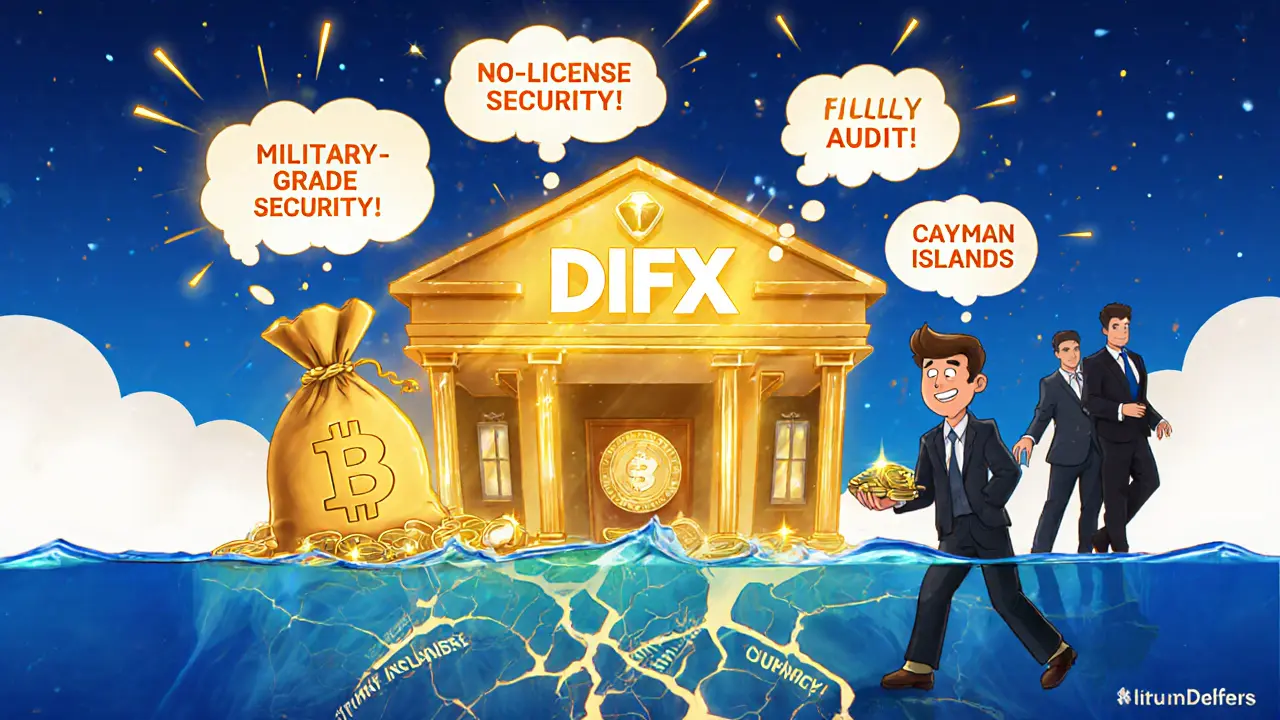
DIFX Review: Real Insights on This Crypto Exchange and What to Watch For
When you hear DIFX, a crypto exchange that claims to offer fast trades and low fees. Also known as DIFX Exchange, it pops up in search results with flashy ads and promises of high returns. But behind the marketing, what’s really going on? Most users don’t realize that many small exchanges like DIFX operate without proper licensing, lack transparent ownership, and disappear after collecting deposits.
Exchange reviews often miss the real test: liquidity, how easily you can buy or sell without crashing the price. If a platform has thin order books, your trades get slippage or fail entirely. Then there’s withdrawal delays, a classic sign of an exchange running low on funds or hiding behind technical issues. Look at posts about Bitbaby Exchange or COREDAX — they show how even exchanges with clean audits can still be risky if they lack real users and volume.
What’s missing from DIFX’s website? Clear contact info, verified team members, or regulatory disclosures. Compare that to platforms like Swiss-based exchanges or those licensed in Japan — they publish audits, KYC policies, and legal registrations. DIFX doesn’t. And if you’ve seen reviews of Isabelle (BELLE) or Airbloc (ABL), you know what happens when a project has no substance: the price hits zero, the community vanishes, and support stops replying. The same pattern shows up in shady exchanges.
You don’t need to guess whether DIFX is safe. Just check the trading volume on its main pairs. If it’s under $10K daily, it’s a ghost exchange. No real traders. No market depth. Just bots and fake activity. And if you can’t find it listed on CoinMarketCap or CoinGecko, that’s not an oversight — it’s a warning.
Below, you’ll find real user experiences, technical breakdowns, and comparisons with other platforms that actually deliver. No fluff. No hype. Just what you need to know before you deposit anything.
DIFX crypto exchange claims low fees and full insurance, but lacks regulation, audits, and transparency. Independent analysts warn it's not safe. Here's why you should avoid it in 2025.