Crypto Exchanges Allowing Iranian Citizens in 2025
A 2025 guide listing domestic and international crypto exchanges that accept Iranian citizens, covering fees, security, recent hacks, sanctions, and tax rules.

When navigating Iranian crypto exchanges, digital platforms that let users in Iran trade, swap, or hold cryptocurrencies. Also known as Iranian exchanges, they operate within a unique regulatory and sanctions environment.
The rise of Decentralized Finance (DeFi), blockchain‑based services that replace traditional banks with smart‑contract protocols gives Iranian users a way around the limits of centralized platforms. At the same time, Iranian crypto regulations, rules set by the Central Bank of Iran and other authorities on crypto activities shape which services can legally operate, what KYC checks are required, and how fiat on‑ramps are handled. Because sanctions restrict direct connections to global banking networks, many traders turn to P2P trading, person‑to‑person marketplaces that match buyers and sellers without a middle‑man as a practical workaround. These three forces—centralized exchanges, DeFi alternatives, and P2P marketplaces—create a layered ecosystem where each piece influences the others. For example, stricter sanctions (subject → central bank → exchange licensing) push users toward DeFi protocols, while DeFi’s open nature forces regulators to clarify how tokens are taxed. The net result is a constantly shifting landscape that demands up‑to‑date information and clear guidance.
First, check whether the exchange complies with the latest Iranian crypto regulations. Look for a license from the Ministry of ICT or a clear statement that the platform respects local AML/KYC rules. Second, evaluate the fee structure—some platforms charge high withdrawal fees to cover the cost of converting crypto to local rial. Third, assess security features such as two‑factor authentication, cold storage ratios, and whether the exchange has undergone an independent audit. Fourth, consider the availability of DeFi integrations; platforms that support bridge services to Ethereum, Binance Smart Chain, or Layer‑2 solutions enable you to access yield farming, staking, and liquidity pools without leaving the app. Finally, if you rely on P2P trading, choose a marketplace with escrow protection, reputation scores, and dispute resolution mechanisms to avoid scams. These criteria together form a practical checklist that helps you balance convenience, cost, and risk.
Our collection below brings together detailed exchange reviews, regulatory updates, and hands‑on guides that map each of these factors. You’ll find analysis of fee tables, security audits, and user experiences across the most popular Iranian platforms, plus insights on how DeFi projects are reshaping the market and how P2P trading can fill the gaps left by sanctions. Dive in to get the context you need before you pick a platform, and stay ahead of any policy shifts that could affect your crypto activities.
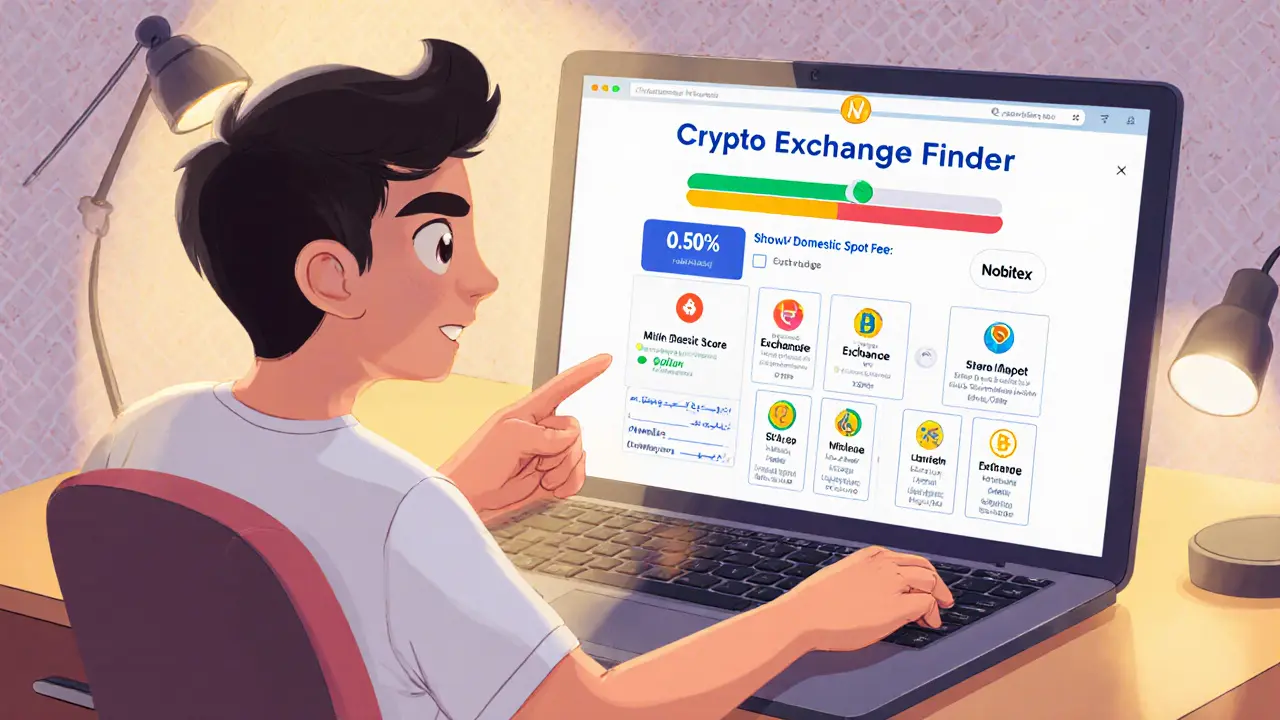
A 2025 guide listing domestic and international crypto exchanges that accept Iranian citizens, covering fees, security, recent hacks, sanctions, and tax rules.