Paritex Crypto Exchange Review 2025: Fees, Security & User Experience
A comprehensive 2025 review of Paritex crypto exchange covering fees, security, deposit methods, user experience, and suitability for Turkish beginners.

When talking about Paritex security, the set of safeguards, audits, and compliance steps that protect the Paritex token and its ecosystem. Also known as Paritex token protection, it combines code reviews, risk assessments, and regulatory checks to keep investors safe.
Effective smart contract audit, a thorough review of the token’s source code by security experts is the backbone of Paritex security. Without a solid audit, vulnerabilities like re‑entrancy or overflow errors can expose users to loss. Next, DeFi security, the practice of protecting decentralized finance protocols from hacks and exploits ensures that liquidity pools, yield farms, and cross‑chain bridges associated with Paritex stay operational. Both elements work together: a clean contract reduces attack surface, while robust DeFi practices defend against network‑level threats.
Another layer is KYC verification, the process of confirming user identities to meet regulatory standards. Proper KYC helps Paritex comply with anti‑money‑laundering rules and builds trust among exchanges and investors. Finally, blockchain compliance, ongoing monitoring of legal obligations across jurisdictions ties everything together, ensuring that the token can be listed on reputable platforms without running into bans or sanctions.
All these pieces—smart contract audits, DeFi security measures, KYC checks, and blockchain compliance—form a cohesive safety net. Below you’ll find articles that break down each component, compare audit providers, explain how to verify a Paritex contract yourself, and show real‑world cases where security practices saved projects from costly attacks. Dive in to see how Paritex security stands up in today’s fast‑moving crypto landscape.
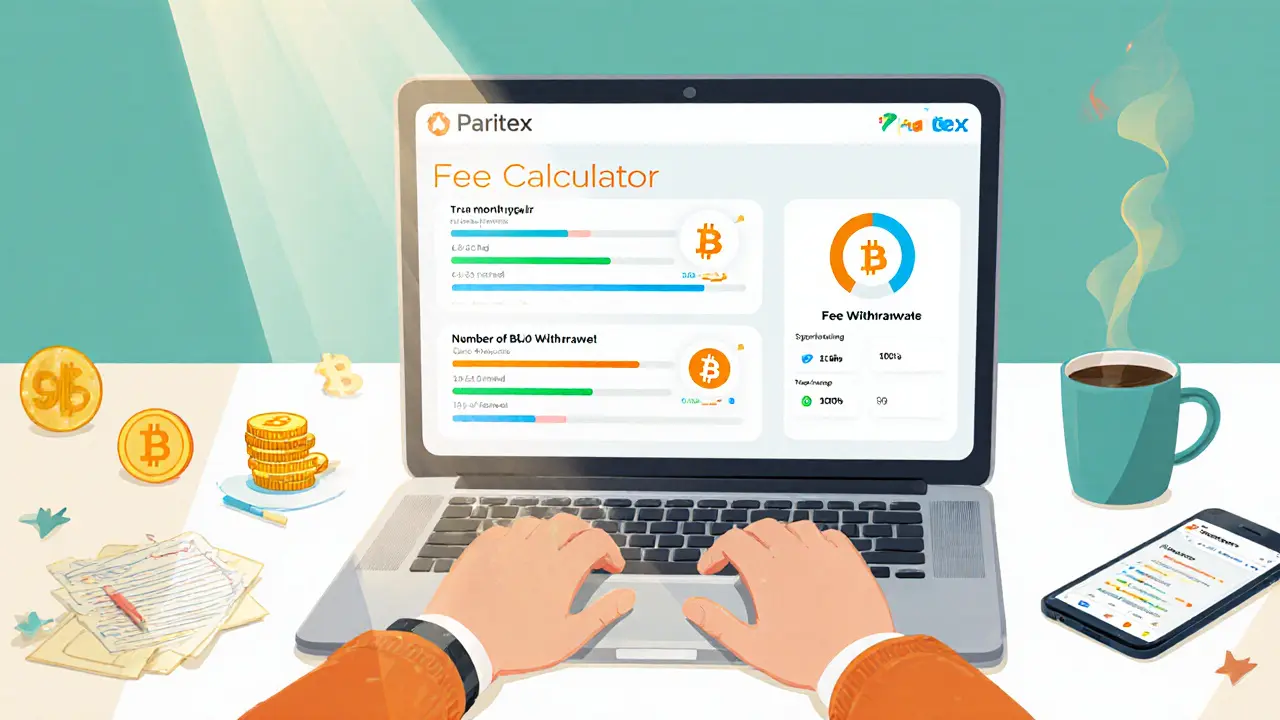
A comprehensive 2025 review of Paritex crypto exchange covering fees, security, deposit methods, user experience, and suitability for Turkish beginners.