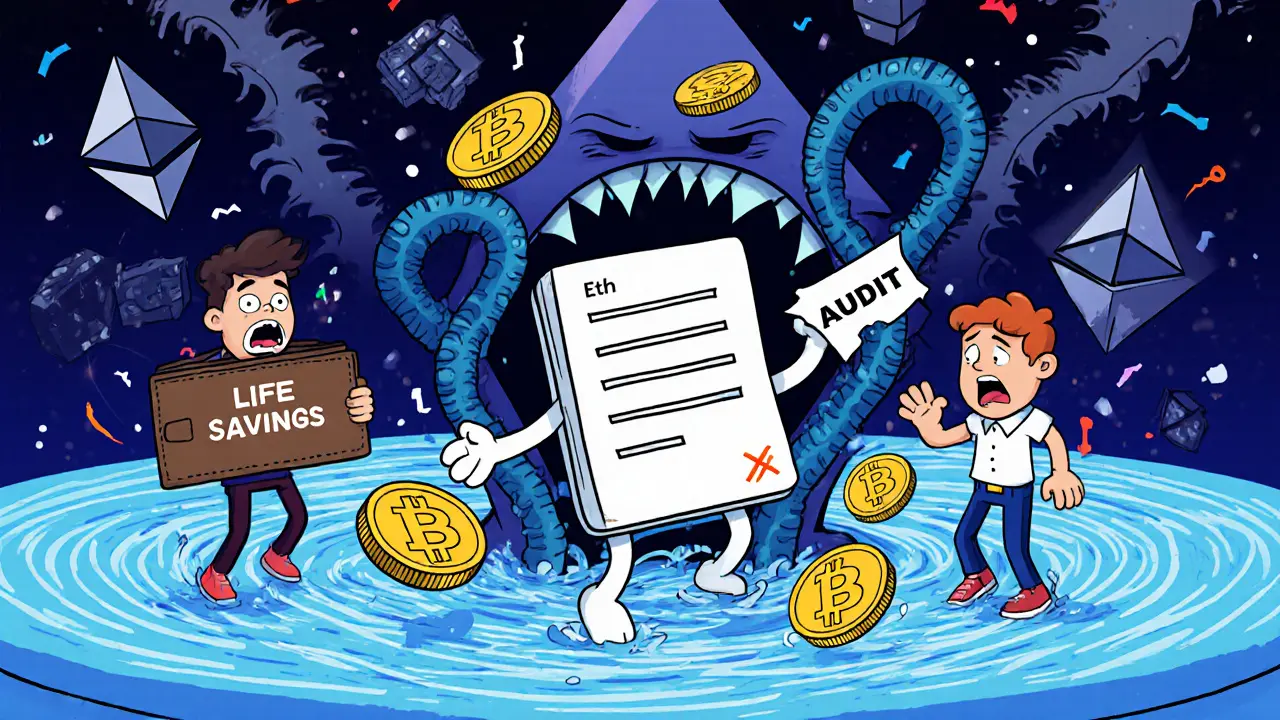
DeFi hacks: What they are, how they happen, and how to avoid them
When you hear DeFi hacks, exploits in decentralized finance where attackers steal funds by breaking smart contracts or manipulating protocols. Also known as smart contract exploits, these aren’t just technical glitches—they’re targeted attacks on trustless systems that were supposed to be immune to fraud. Every year, millions vanish in seconds because someone missed a tiny flaw in code that looked perfect on paper. The most common targets? Liquidity pools, flash loan attacks, and poorly audited tokens that promise high returns but hide dangerous logic.
These attacks don’t happen in a vacuum. They rely on smart contract exploits, flaws in blockchain code that let attackers bypass rules meant to protect users. One wrong line of code can let someone drain a $50 million pool in under a minute. Then there’s crypto rug pulls, when developers abandon a project after collecting user funds, often after artificially inflating token prices. And let’s not forget DeFi protocol risks, the hidden dangers in how a platform is built—like lack of multi-sig controls, no time locks, or centralized admin keys that can override everything. These aren’t theoretical. Look at the attacks on platforms like Poly Network, Axie Infinity’s Ronin bridge, or the countless low-volume tokens that vanished overnight with no warning.
Most victims aren’t hackers—they’re regular people who trusted a shiny interface, a big APY, or a tweet from someone pretending to be an expert. The truth? No DeFi project is safe just because it’s "on-chain" or "decentralized." Real security means checking who controls the keys, whether the code was audited by a known firm, and if the team has a track record. If a token has no trading volume, no exchange listings, and no community—like Isabelle (BELLE) or Airbloc (ABL)—it’s not a project. It’s a trap waiting to be sprung.
What you’ll find below aren’t just headlines. These are real breakdowns of what went wrong, who got hurt, and how you can spot the same patterns before you lose your money. From fake airdrops pretending to be legitimate to exchanges like DIFX and Bitbaby that lack basic transparency, the pattern is always the same: no accountability, no audits, no backup plan. You don’t need to be a coder to stay safe. You just need to know what questions to ask—and what to walk away from.
Lending protocols in DeFi offer high yields but come with serious security risks like flash loan attacks, oracle manipulation, and reentrancy bugs. Learn how hacks happen, why audits aren’t enough, and how to protect your funds in 2025.