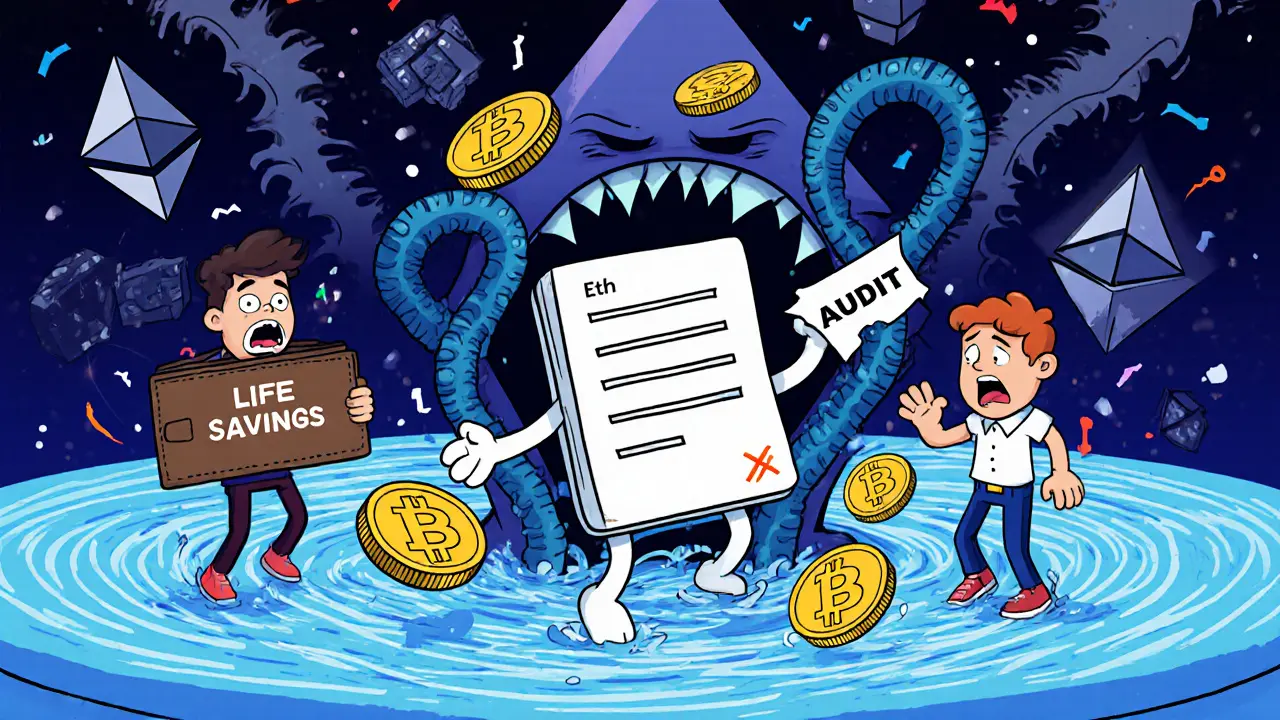
Flash Loan Attacks: How DeFi Hackers Steal Millions and How to Stay Safe
When you hear about a flash loan attack, a type of crypto exploit where hackers borrow large sums of money without collateral for a single transaction. It’s not magic—it’s code. These attacks happen in seconds, often before anyone notices, and they target the weakest links in DeFi security, the system of protocols designed to run financial services without banks. Unlike traditional hacks that break into wallets, flash loan attacks use the system’s own rules against it. They’re legal in code, but deadly in practice.
Here’s how it usually plays out: a hacker takes out a flash loan, a zero-collateral loan that must be repaid within the same blockchain transaction, floods a liquidity pool with fake tokens, tricks price oracles into thinking a token’s value has spiked, then drains the real funds before the loan gets repaid. The whole thing ends in under 15 seconds. No one gets arrested. No police report is filed. Just a smart contract that says, "Yes, you’re allowed to do this." That’s why smart contract vulnerabilities, flaws in the code that powers DeFi apps are the real target. Projects like Aave, Uniswap, and Curve have all been hit. Some lost millions. Others patched up fast. But new ones pop up every month.
What makes this worse is that most users don’t even know what a flash loan is—let alone how to spot a risky protocol. You might think, "I’m just swapping tokens on a dApp, it’s safe." But if the price feed is manipulated, your liquidity is gone. That’s why you need to look beyond the UI. Check if the project uses multiple price oracles, if their code has been audited by more than one firm, and if the team has a history of fixing bugs fast. The most dangerous projects are the ones that look clean but hide sloppy logic behind fancy marketing.
There’s no silver bullet. But knowing how these attacks work puts you ahead of 90% of traders. You won’t stop every hack—but you’ll avoid the ones that come from ignoring the basics. Below, you’ll find real breakdowns of past flash loan attacks, how exchanges reacted, and which tokens and platforms are still at risk. No fluff. Just what happened, why it mattered, and what you should watch for next.
Lending protocols in DeFi offer high yields but come with serious security risks like flash loan attacks, oracle manipulation, and reentrancy bugs. Learn how hacks happen, why audits aren’t enough, and how to protect your funds in 2025.