Crypto Mining Restrictions: Where It's Banned, Who Controls It, and What It Costs
When you hear crypto mining restrictions, rules and laws that limit or ban the process of validating blockchain transactions using computational power. Also known as cryptocurrency mining regulations, these rules are no longer just technical guidelines—they're legal traps waiting for unsuspecting miners. In some countries, mining is a crime. In others, it’s a tool for the military. And in a few, it’s the only way people can survive inflation.
Iran, a nation where the Islamic Revolutionary Guard Corps (IRGC) steals electricity to run massive crypto mining farms is the starkest example. While ordinary families endure daily blackouts, the IRGC uses state power to mine Bitcoin and evade international sanctions. This isn’t grassroots mining—it’s state-sponsored theft. Meanwhile, Egypt, where cross-border crypto transfers carry fines up to $213,000 and prison time, has made any crypto activity a legal gamble. And it’s not just these two. Bolivia, once a crypto-free zone, now forces all trading through state banks. crypto mining restrictions, are not about energy conservation—they’re about control. Governments don’t fear blockchain. They fear losing power over money.
What you won’t see in headlines are the quiet victims: small miners in India paying 30% tax on every profit, or people in Nigeria using home rigs to send money home while risking arrest. These aren’t crypto enthusiasts—they’re people using tech to survive. The posts below show you exactly where these restrictions hit hardest, who’s behind them, and how scams exploit the confusion. You’ll find real cases: Iran’s IRGC stealing power, Egypt’s underground crypto market, and how unlicensed mining in places like Venezuela and Kazakhstan leads to prison, not profit. No fluff. No hype. Just what happens when governments decide your computer is a threat.
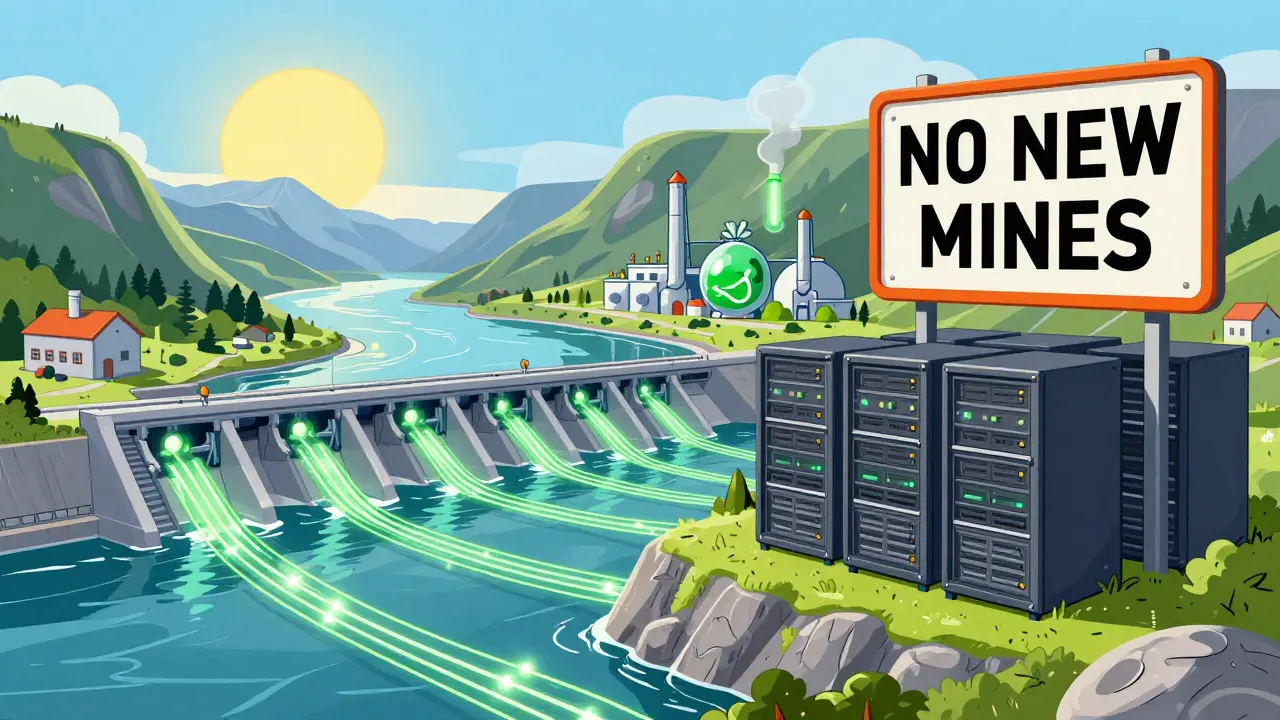
Norway is blocking new crypto mining data centers to protect its renewable energy for industries that create local jobs and economic value, not just global digital assets.