Norway Crypto Mining Ban: What Happened and Why It Matters
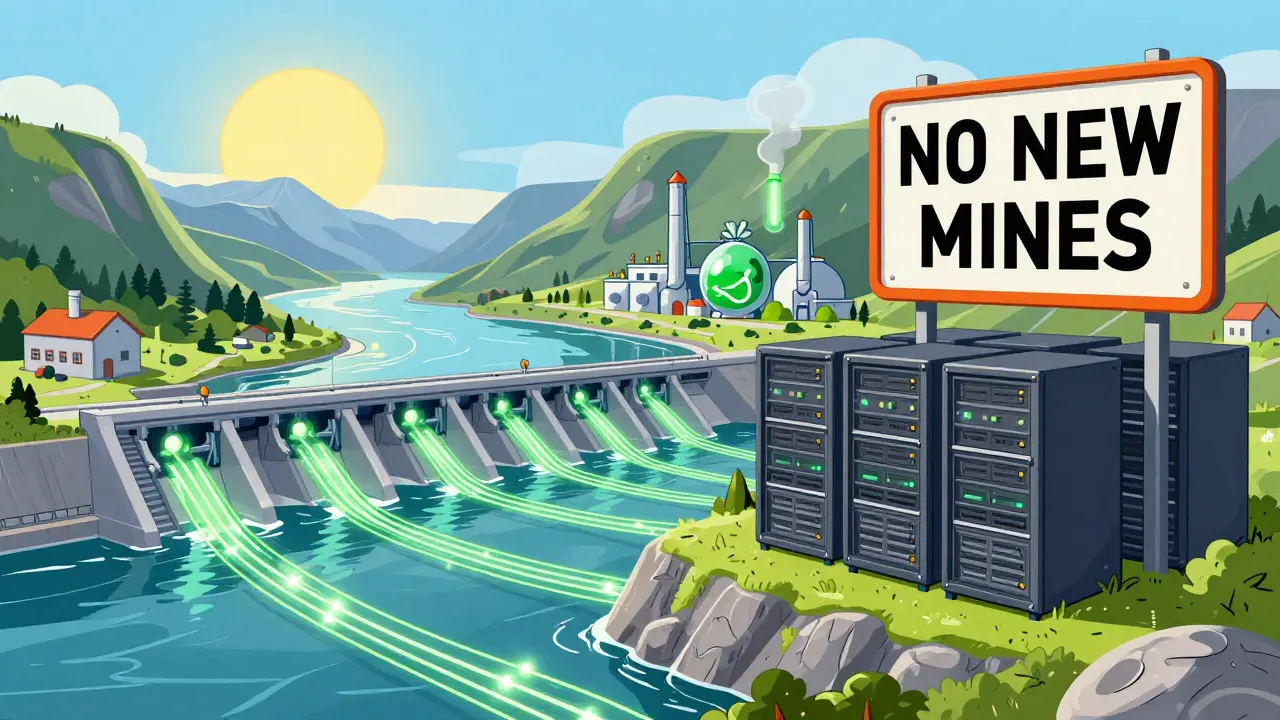
When Norway crypto mining ban, a policy decision in 2021 that halted large-scale cryptocurrency mining operations due to energy consumption concerns. It wasn’t just about stopping Bitcoin farms—it was about protecting a national grid powered almost entirely by clean hydroelectric energy. Norway, with its cheap, renewable electricity, had become a magnet for crypto miners from countries with higher power costs. But as mining rigs multiplied, so did pressure on the grid. The government didn’t shut down all crypto activity—just the industrial-scale operations that were siphoning off power meant for homes and businesses.
This ban didn’t happen in a vacuum. It connects directly to how energy-intensive crypto, crypto mining that consumes massive amounts of electricity, often from non-renewable sources. Also known as proof-of-work mining, it’s the backbone of Bitcoin and other networks that rely on computational power to validate transactions. Countries like Iran and Russia saw mining as a way to monetize excess energy or bypass sanctions. Norway took the opposite path: it valued its clean energy surplus too much to let it be drained by anonymous mining farms. The result? Miners left, but the debate didn’t end. Other nations, especially in Europe, started asking: should we follow Norway’s lead?
The crypto regulation Norway, a set of policies that restricts large-scale mining to preserve energy resources and environmental goals. It’s not a full crypto ban—buying, selling, and holding crypto is still legal. But the line was drawn at industrial use. This distinction matters because it shows regulators aren’t against crypto itself—they’re against its most wasteful applications. The ban also forced miners to rethink their models. Some moved to places with surplus wind or solar, others shifted to less power-hungry blockchains. Meanwhile, Norway’s energy prices stayed stable, and households kept their lights on.
What you’ll find in the posts below isn’t just about Norway. It’s about how governments worldwide are starting to treat crypto not as a financial experiment, but as a resource drain with real-world consequences. From India’s tax rules to Iran’s stolen electricity, these stories show a pattern: crypto’s environmental and economic footprint is now under scrutiny. Whether you’re a miner, trader, or just someone trying to understand the news, this collection gives you the facts—not the hype—on what’s really happening when a country says no to crypto mining.
Norway is blocking new crypto mining data centers to protect its renewable energy for industries that create local jobs and economic value, not just global digital assets.