Advantages and Disadvantages of Public Blockchains Explained
Public blockchains offer transparency and decentralization but struggle with speed, cost, and privacy. Bitcoin and Ethereum show both the power and limits of permissionless ledgers.

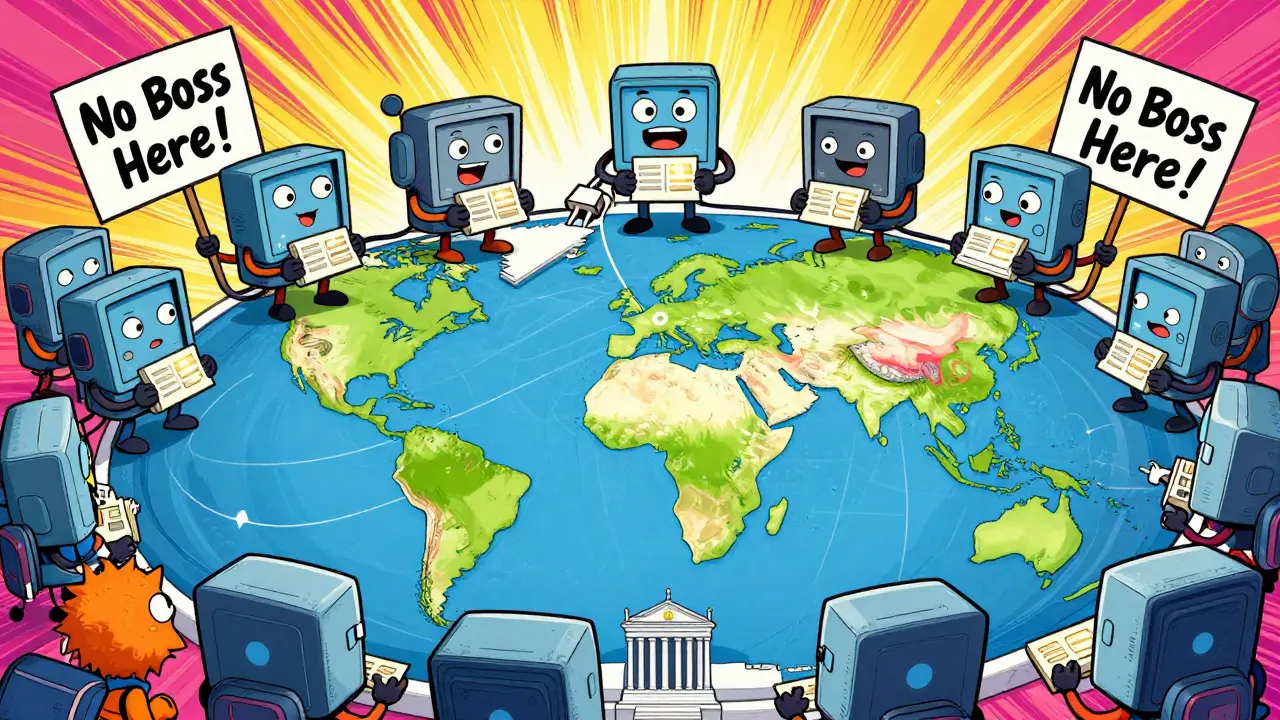
When you hear "blockchain," you think of freedom, transparency, and trustless systems. But public blockchain, a decentralized digital ledger open to anyone, with no central authority controlling access or validation. Also known as open blockchain, it’s the backbone of Bitcoin and Ethereum—but it’s far from perfect. The very features that make it secure and transparent also make it slow, expensive, and wasteful. You can’t have unlimited openness without paying a price.
One of the biggest problems is blockchain scalability, the ability of a network to handle growing numbers of transactions without slowing down. Bitcoin processes about 7 transactions per second. Ethereum, after upgrades, handles around 30. Compare that to Visa, which handles 24,000 per second. When demand spikes—like during a popular NFT drop or memecoin surge—networks get clogged. Gas fees spike, transactions take hours, and users get frustrated. This isn’t theoretical; it’s happened dozens of times on Ethereum, Solana, and even newer chains.
Then there’s blockchain energy use, the massive amount of electricity consumed to validate transactions through proof-of-work mining. Norway’s recent ban on new crypto mining centers wasn’t about stopping innovation—it was about saving renewable power for hospitals, factories, and homes. Iran’s state-backed miners are stealing electricity while citizens face blackouts. Even Ethereum’s shift to proof-of-stake cut its energy use by 99.95%, but Bitcoin still uses more power than entire countries like Argentina or the Netherlands. That’s not just an environmental issue—it’s a political and economic one.
Security isn’t perfect either. Public blockchains are immutable, which sounds great until you realize there’s no way to reverse a hack, a scam, or a simple mistake. If you send crypto to the wrong address, or a smart contract has a bug, there’s no customer service, no refund, no reset button. The public blockchain vs private, a permissioned system where only approved participants can validate transactions debate isn’t just about control—it’s about practicality. Private chains can fix errors, comply with regulations, and scale faster. Public chains can’t. And that’s why most banks, governments, and enterprises stick to private or hybrid models.
And let’s not forget the human cost. Scams thrive in public blockchains because anonymity makes accountability impossible. Projects like KTN, DogeMoon, and FOC look like real airdrops but are just traps. Users lose money not because they’re dumb—they’re misled by the illusion of openness. The same system that lets anyone join also lets anyone lie. The transparency of public blockchains doesn’t prevent fraud; it just makes it visible after the fact.
You’ll find posts here that show exactly how these disadvantages play out in real life: from energy-hungry mining in Iran to dead exchanges with $94 in daily volume. You’ll see how regulatory crackdowns in India and Egypt target the fallout of public blockchain’s lack of control. And you’ll learn why some of the most "advanced" crypto platforms have almost no users—they’re technically brilliant but practically useless.
Public blockchains offer transparency and decentralization but struggle with speed, cost, and privacy. Bitcoin and Ethereum show both the power and limits of permissionless ledgers.