Crypto Regulations and Scams in 2025: Legal Risks, Airdrop Scams, and Exchange Reviews
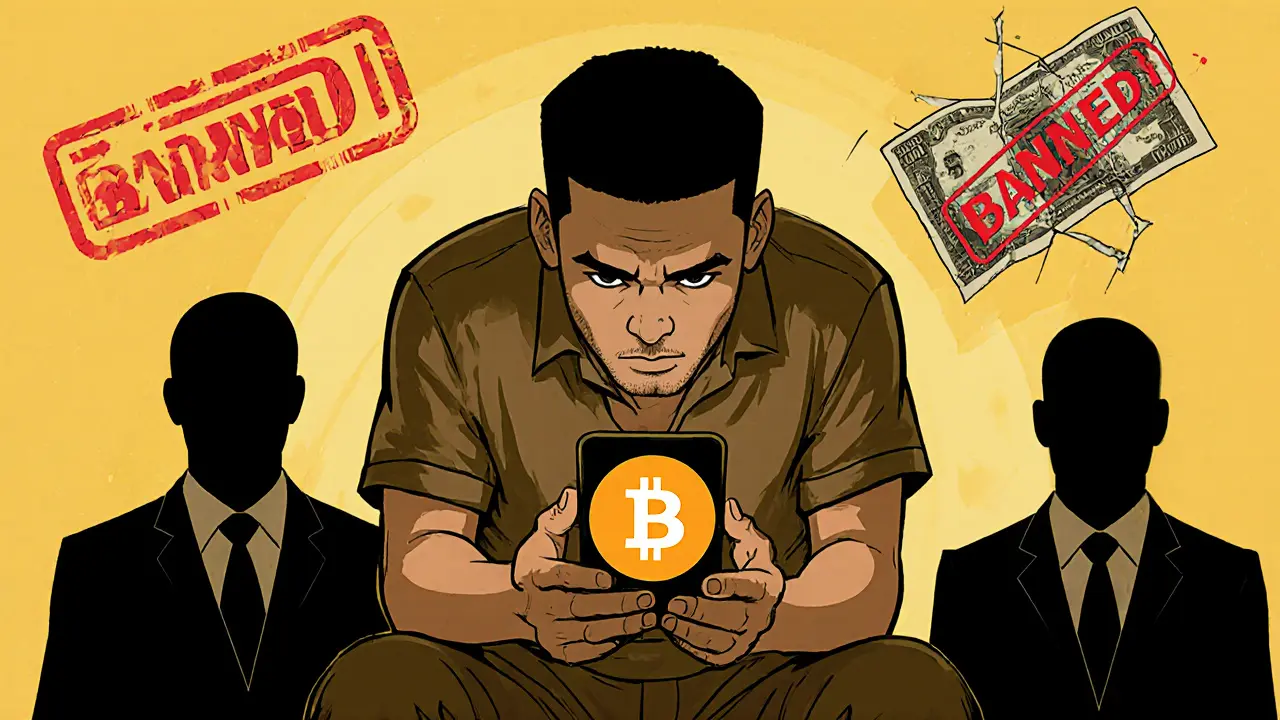
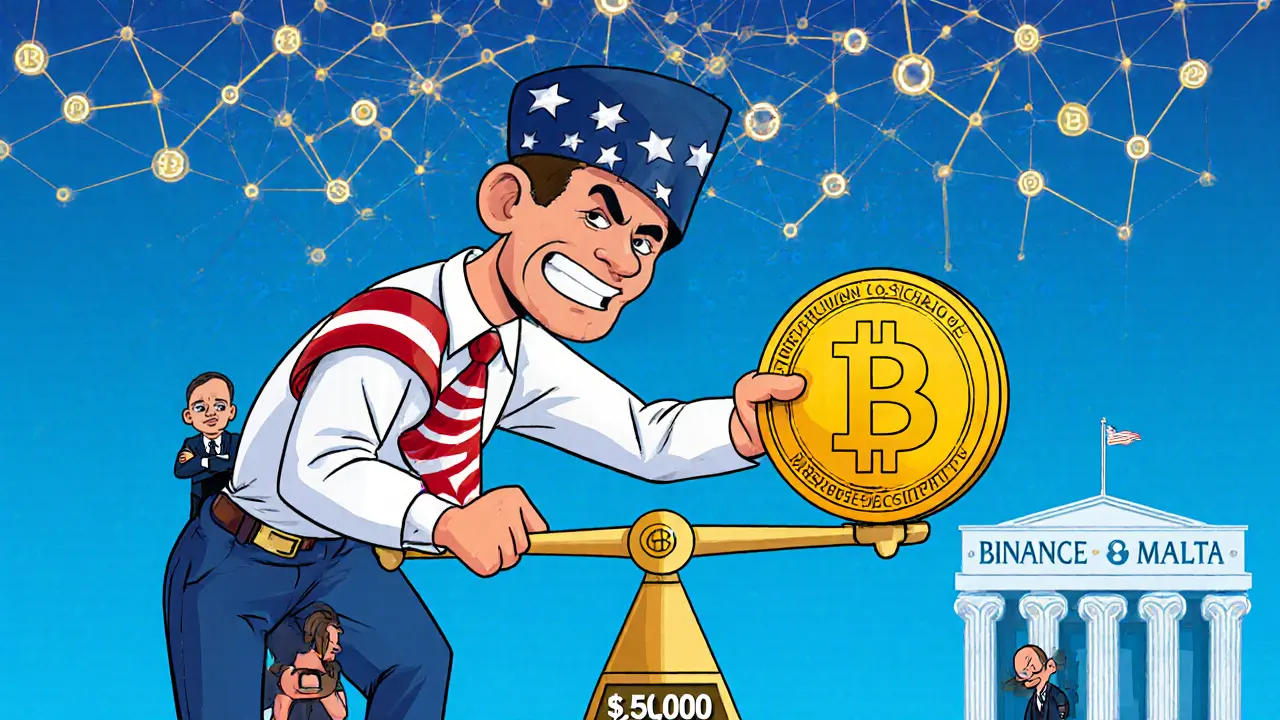
When dealing with crypto regulations, government rules that control how digital currencies are used, traded, or taxed. Also known as cryptocurrency laws, it shapes who can use crypto, where, and under what penalties. In 2025, these rules became sharper, harsher, and harder to ignore. Countries like Egypt banned cross-border crypto transfers entirely, with fines up to $213,000 and jail time. Meanwhile, the U.S. cracked down on unreported crypto gains—tax evasion could land you in prison for five years and cost $250,000. Even places like Bolivia, which lifted its crypto ban, now force users through state-approved banks. These aren’t theoretical risks. Real people lost savings, got fined, or faced criminal charges because they didn’t know the rules.
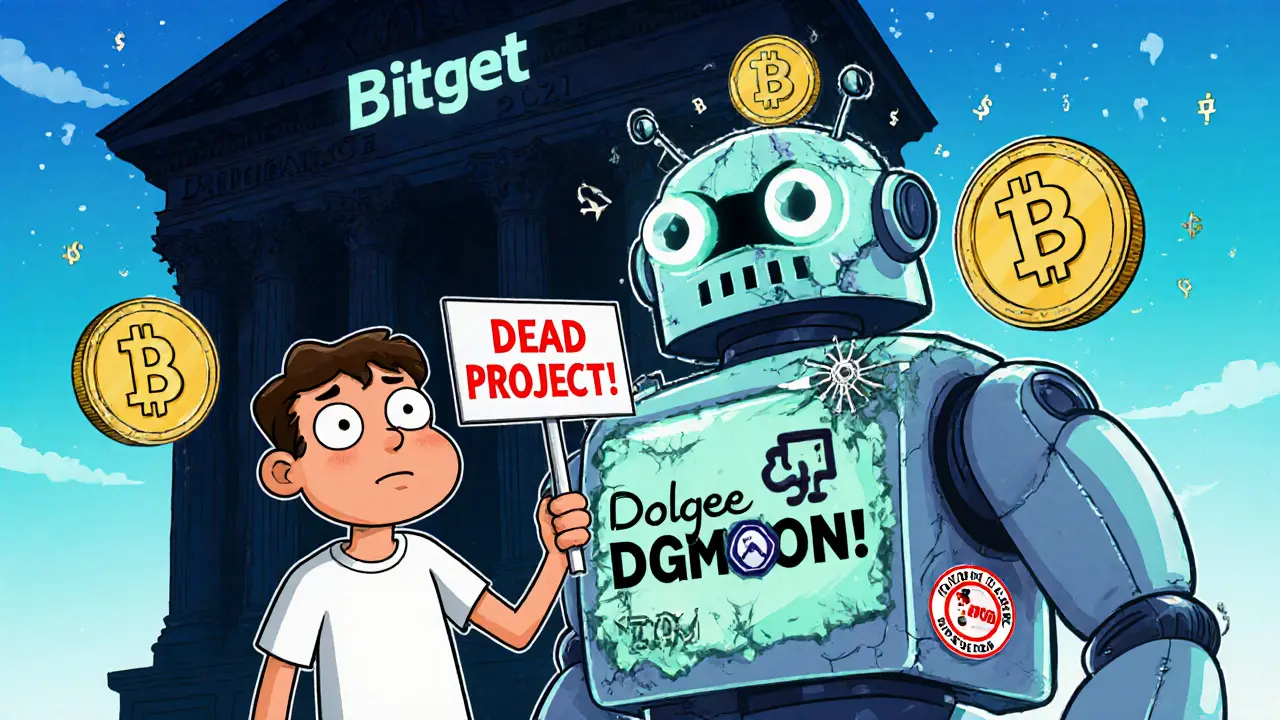
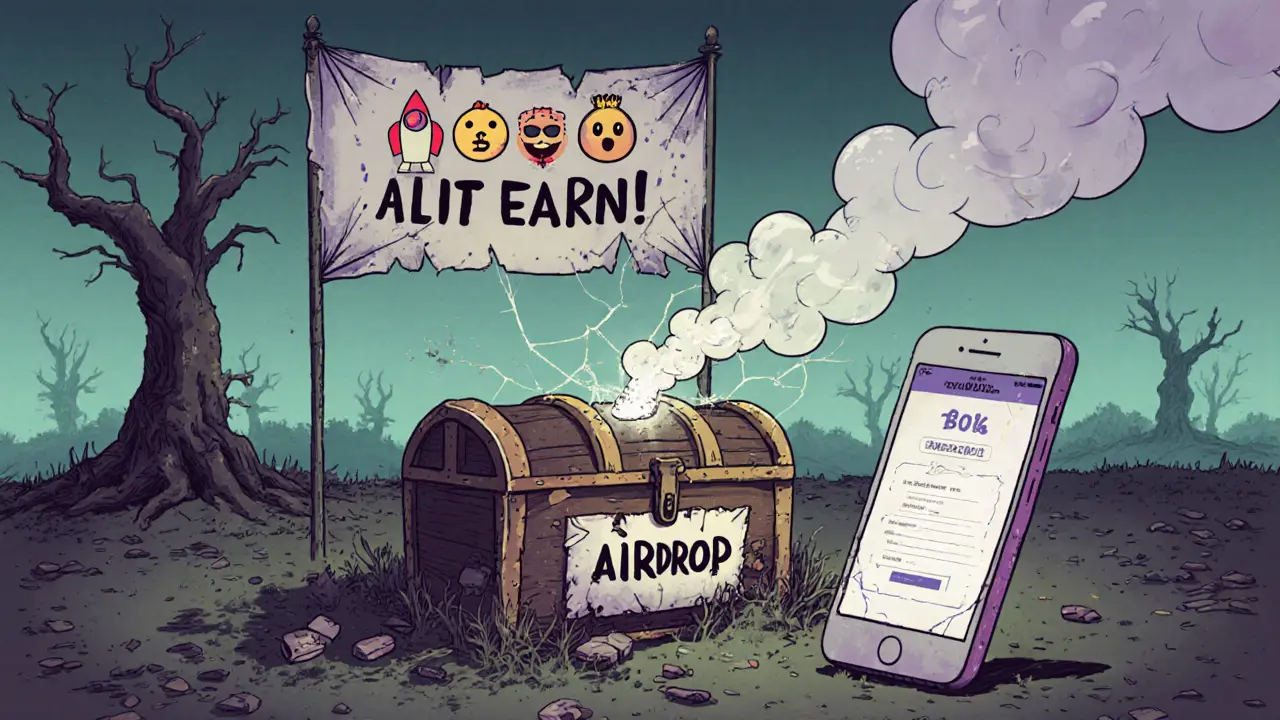
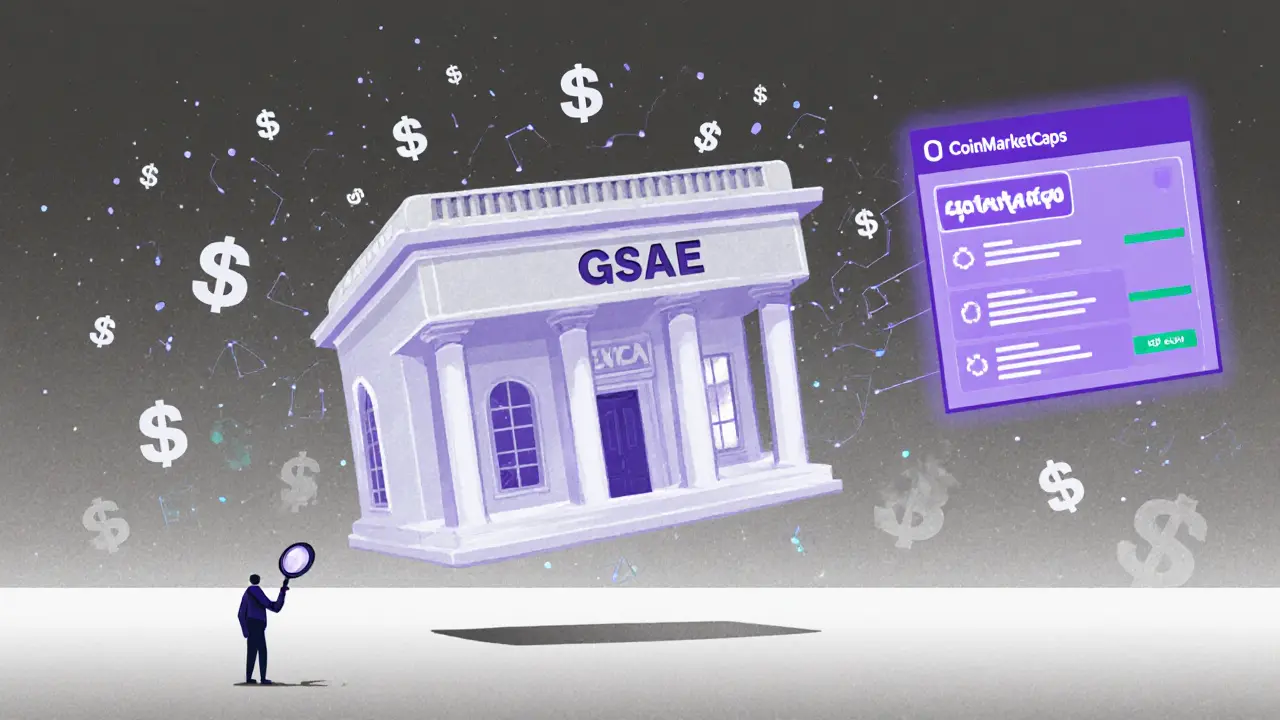
At the same time, airdrop scams, fake token giveaways designed to steal your wallet info or gas fees. Also known as crypto phishing campaigns, they exploded in 2025, pretending to offer free tokens from projects like DogeMoon, TheForce Trade, and HaloDAO. None of these had real airdrops. The tokens were dead, the websites fake, and the only thing getting claimed was your Ethereum gas fees. Even worse, some scams used names like $SILVER or BELLE to mimic legitimate assets—when in reality, there’s no official silver-backed coin, and Isabelle (BELLE) had zero trading volume and no exchange listings. These weren’t just annoying—they drained wallets before users even realized they were targeted. And behind these scams? A growing list of ghost exchanges. Platforms like GSAE, CherrySwap, and DIFX claimed to offer trading, low fees, or insurance—but had no users, no audits, no transparency. Coinlim and PartySwap had real features but were only useful for advanced traders who already owned crypto. For beginners, CoinCorner was one of the few safe bets—for Bitcoin buyers in Europe, not traders.
Not everything was bad news. blockchain scaling, techniques that let blockchains handle more transactions without slowing down or costing more. Also known as Layer 2 solutions, it’s what kept networks like Base and Ethereum usable in 2025. State channels, used in Lightning Network and Raiden, made small payments instant and cheap. MultiSig wallets, used by 68% of DAOs, kept treasury funds safe from single-point hacks. And the UAE’s removal from the FATF grey list made crypto trading there faster, cheaper, and more trusted. But these advancements meant little if you didn’t know which projects were real. The real challenge in late 2025 wasn’t understanding tech—it was spotting the lies. What you’ll find below are 20+ deep dives into exactly that: the legal traps, the fake airdrops, the dead exchanges, and the few honest tools that still worked. No fluff. No hype. Just what happened, who got burned, and how to avoid it next time.
Cross-border crypto transfers from Egypt are illegal under Law No. 194 of 2020, with penalties including fines up to $213,000 and imprisonment. Despite this, millions use crypto to escape inflation and currency collapse, creating a dangerous underground market.
DogeMoon (DGMOON) has no active airdrop. Claims of free DGMOON tokens are scams using similar names to trick users. The real token is inactive, with near-zero liquidity and no team. Avoid these promotions - they cost more in fees than they pay out.
TheForce Trade (FOC) had no real airdrop in 2025. What’s online are scams and old rumors. Learn why FOC is dead, where it trades, and how to avoid fake claim sites.
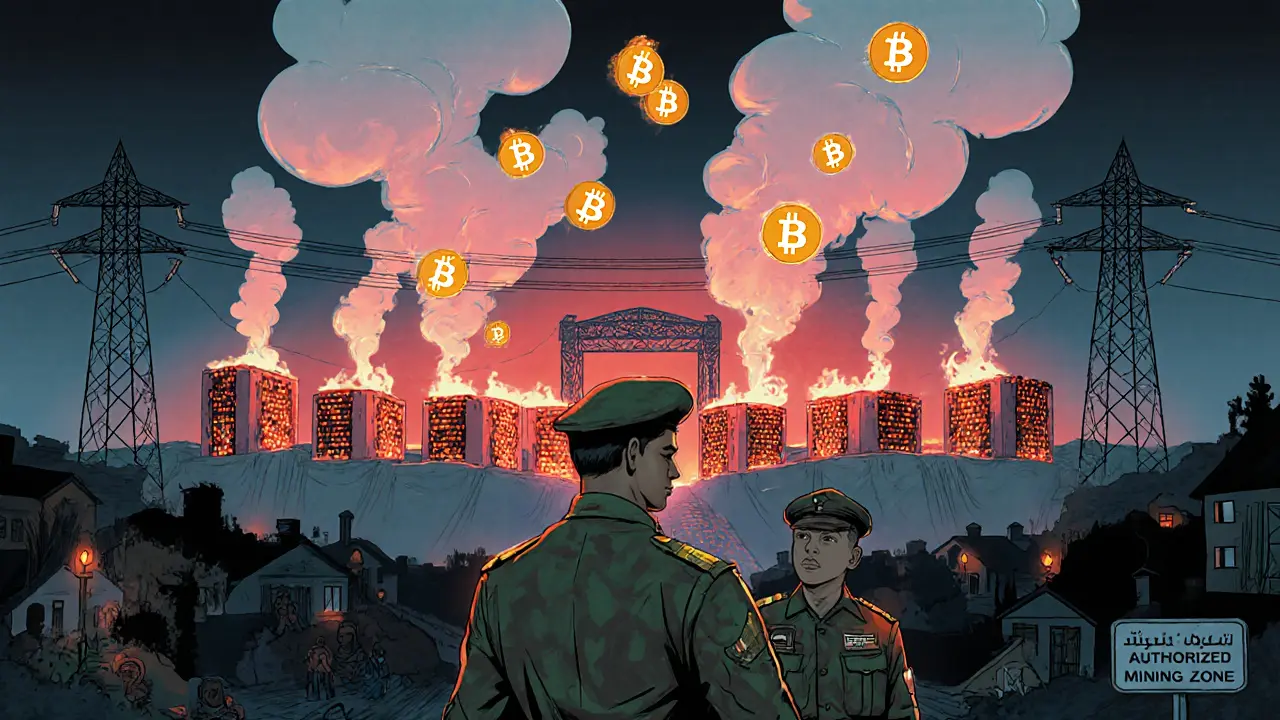
Iran's IRGC controls most unlicensed crypto mining operations, stealing electricity to evade sanctions and fund regional conflicts-while ordinary citizens face daily blackouts and economic collapse.
There's no official $SILVER crypto coin. Learn which real silver-backed tokens exist, how they work, who backs them, and which ones are worth your money - or total scams.
HaloDAO's RNBW token had zero value and no real airdrop with CoinMarketCap. Learn what actually happened, why people got fooled, and how to spot fake crypto promotions.
Scrat (SCRAT) is a Solana-based meme coin with a quirky backstory and zero trading volume. Learn its price, risks, and why it's more of a gamble than an investment.
State channels let you make instant, low-cost transactions off the main blockchain by locking funds in a smart contract and settling only the final state. Used in Lightning Network and Raiden, they solve blockchain scaling for frequent, small payments.
Learn how to join the ASPO World The Rise To Fame airdrop, claim $ASPO tokens and Elite NFT Boxes, and understand the risks and rewards of this blockchain gaming campaign.
Cryptocurrency is digital money powered by blockchain technology. This beginner's guide explains how Bitcoin and Ethereum work, how to buy safely, and why security matters more than speculation.
US citizens holding cryptocurrency on foreign exchanges must report these assets under FATCA. Learn the thresholds, how to value crypto, penalties for non-compliance, and what’s changing in 2025 with new FBAR rules.
GSAE crypto exchange claims to trade social assets but has zero trading volume, no security details, no user base, and no regulatory status. Avoid this ghost platform - here's why.