SEC Philippines Crypto Enforcement Actions: 2026 Guide
The SEC Philippines implemented strict CASP rules in 2025. Unregistered exchanges face blocking and fines, impacting how users trade and send remittances.


The SEC Philippines implemented strict CASP rules in 2025. Unregistered exchanges face blocking and fines, impacting how users trade and send remittances.

Details on the Bzzone (BZZONE) token distribution, distinguishing between mining and traditional airdrops. Includes guidance on PangolinSwap participation and tokenomics.
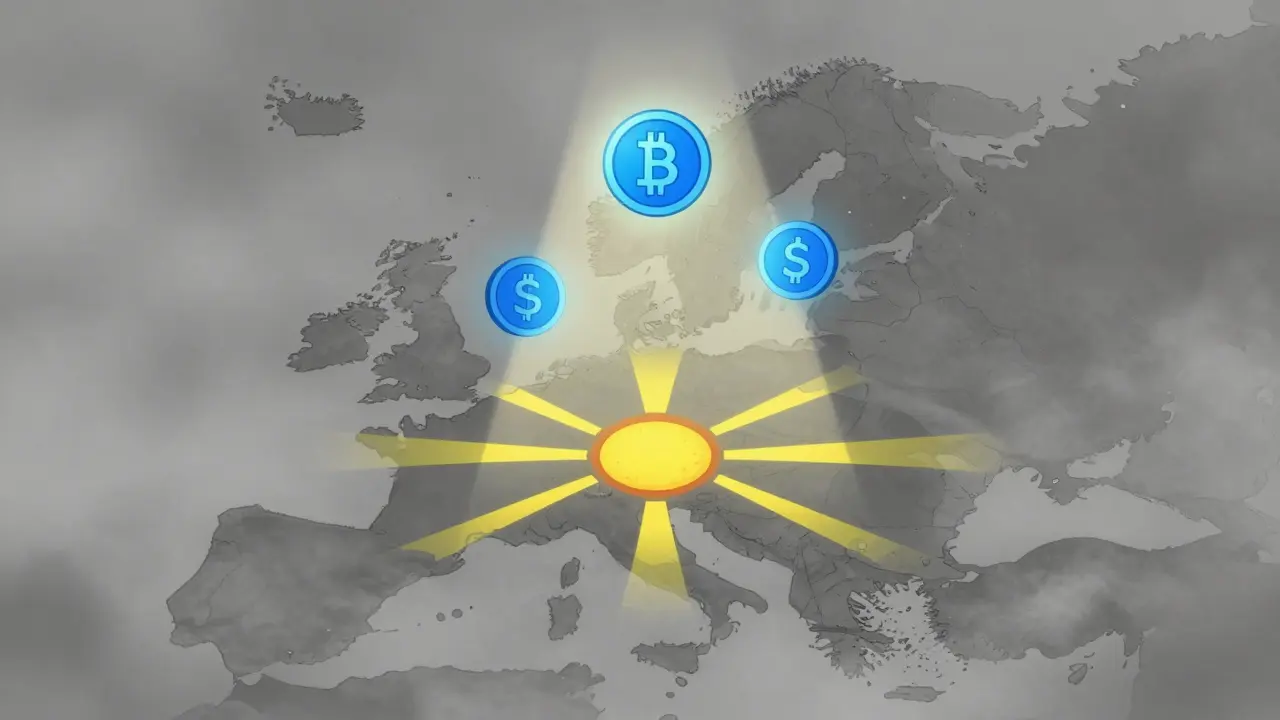
Clarifies North Macedonia's 2026 crypto status: not banned but restricted. Covers NBRM stance, MiCA alignment, tax rules, and trading safety.

MMS airdrop by Minimals is not real in 2026. The token has zero trading volume, zero circulating supply, and no official distribution. Learn why this project failed and what to watch for instead.

ByteNext (BNU) airdrop offers free tokens for AvatarArt platform users, but with trading halted and value near zero, participants should understand the risks before claiming. Learn what BNU is, how the airdrop works, and why it's likely dead.
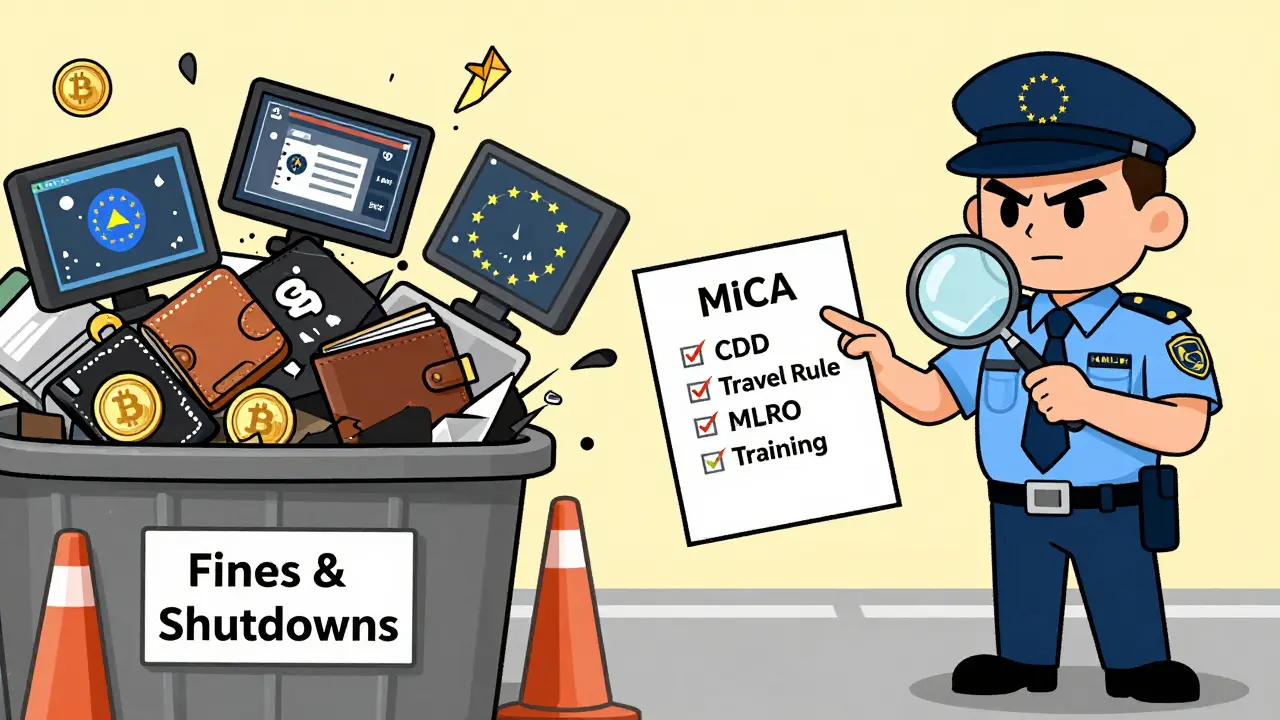
EU crypto AML rules in 2026 require MiCA licensing, Travel Rule compliance, and strict KYC. Firms face high costs but gain regulatory certainty. Non-compliance risks fines or bans. DeFi remains a gray area.

Colombians access crypto exchanges legally and easily - no workarounds needed. With over 5 million users, local exchanges like LuloX and Wenia, and clear tax rules, Colombia leads Latin America in crypto adoption - not by bypassing rules, but by following them.

The bid-ask spread in cryptocurrency markets is the hidden cost of trading that can eat into profits. Learn how it works, why it varies between coins and exchanges, and how to trade smarter around it.

Web3 applications are changing how we own digital content, earn online, and interact with services - without middlemen. From DeFi to NFTs and browser rewards, here are real examples powering the decentralized internet in 2026.

Russia bans businesses from accepting crypto for domestic payments, but allows it for international trade under strict rules. Only state-linked firms with millions in capital can legally use it - leaving 99.8% of businesses locked out.
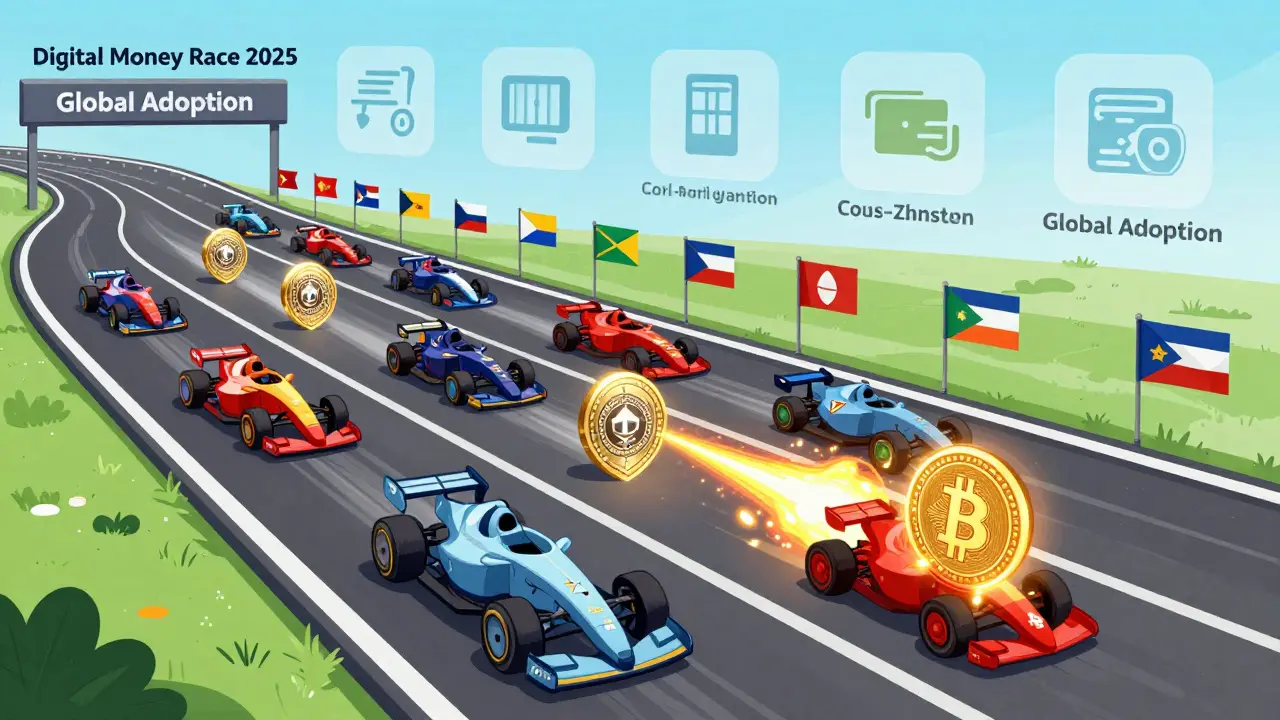
CBDCs are rapidly expanding worldwide, outpacing private cryptocurrencies in speed, regulation, and cross-border use. While crypto still holds value for decentralization, CBDCs are becoming the new standard for everyday digital money.

There's no official 'Me in Metis' airdrop-but METIS is building real value through DACs, staking, and reputation. Learn how to get involved legitimately and avoid scams.